






Knopped Stem Glassware
These pieces of knopped stem glassware bring tactile weight and historic form to the table, forged through centuries of glassmaking craft.
Knopped Stem Glassware
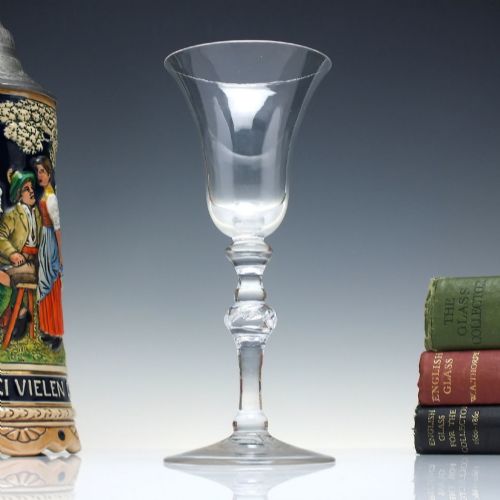
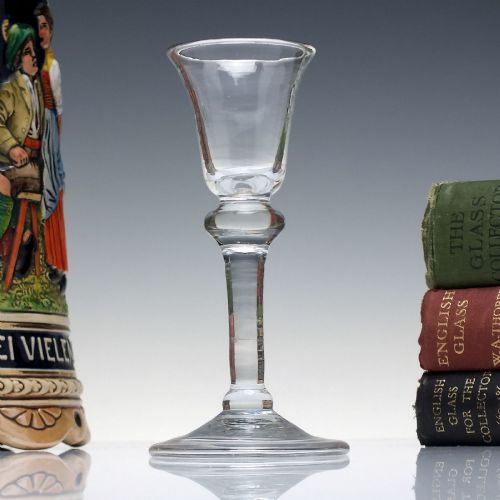
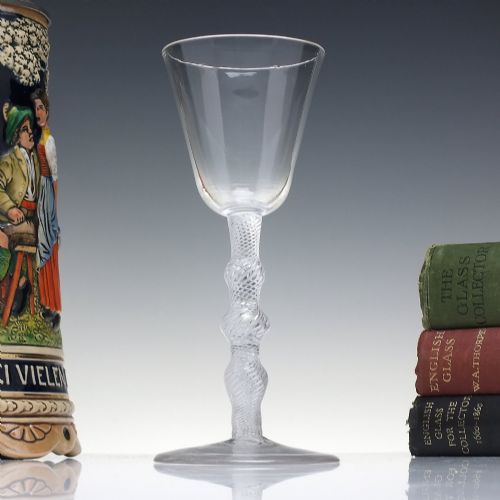
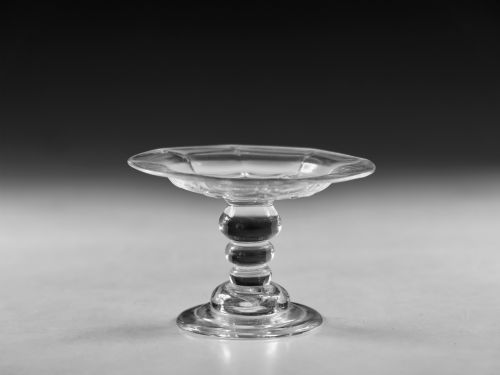
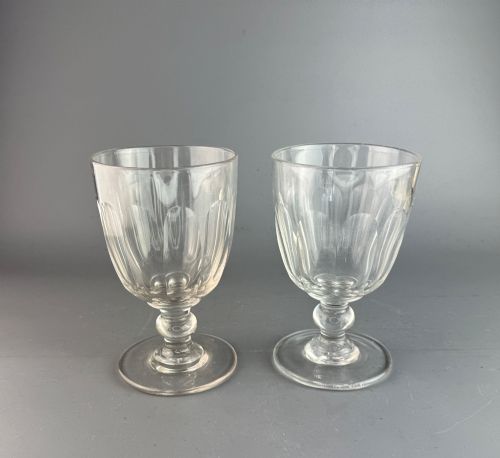
Buyers seeking knopped stem glassware encounter drinking vessels and display pieces defined by prominent nodes or swellings along their stems. The examples gathered here span centuries of production, originating mainly from Georgian and Victorian workshops.
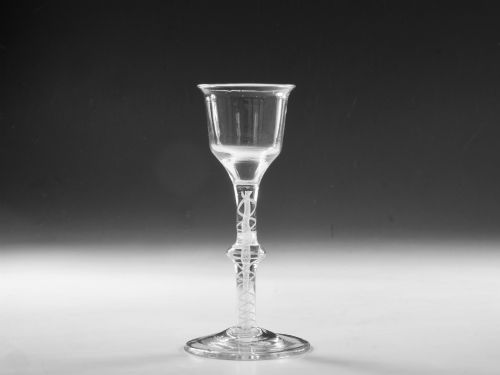
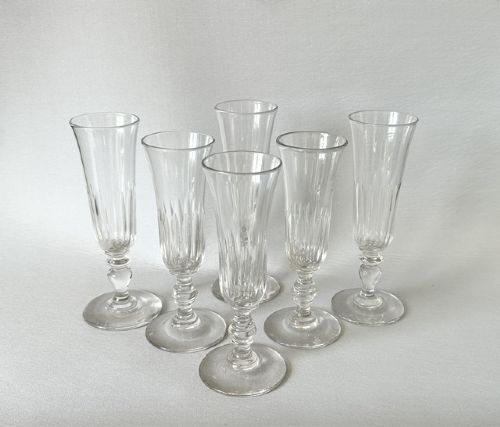
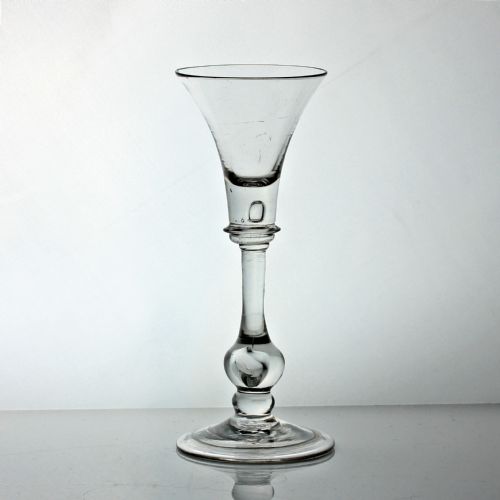
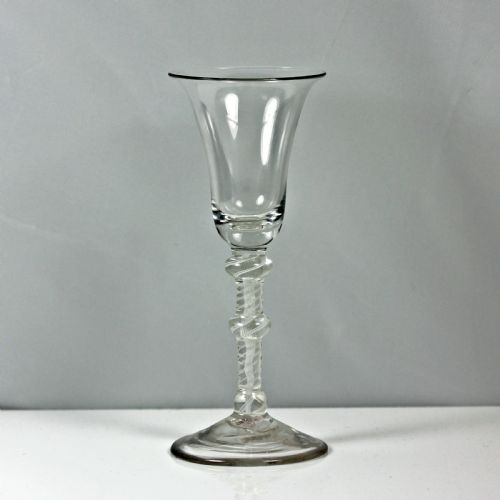
Wine glasses dominate the selections, alongside champagne flutes, rummers, and celery vases. The forms range from plain bowls on baluster stems to intricate pieces featuring double series opaque twists and terraced feet.
Origins stretch across English and continental centres, notably Liege, offering collectors diverse regional variations in vessel weight and bowl depth.
How they were made
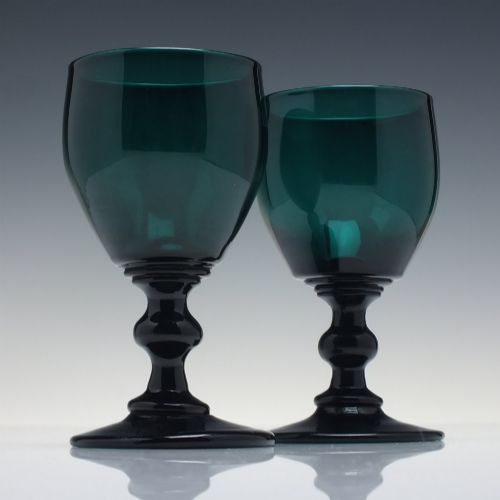
The primary material across these listings is lead glass and clear glass, supplemented by coloured variants in turquoise blue, green, and emerald tones. Artisans shaped these vessels using hand-blown glass techniques, manipulating molten material while hot to form distinct stems.
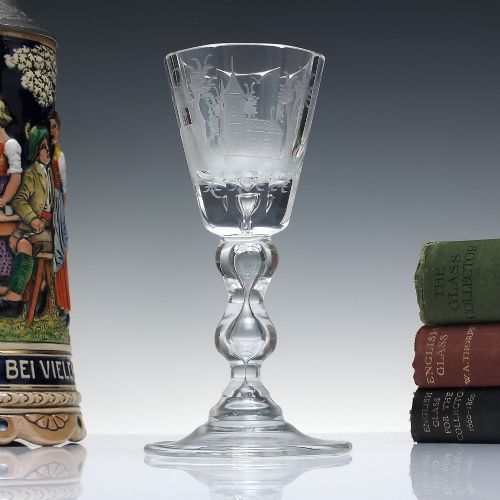
Surface decoration involved wheel-cutting, enamel work, and etching, creating patterns such as honeycomb moulding, nut moulding, and armorial engravings on the bowls.
Knopped Stem Glassware Retail Price Guide 2026
Typical asking prices for knopped stem glassware among the pieces listed under this phrase on Sellingantiques today, from the lower quarter to the upper quarter. They describe what is for sale here now, not the wider market.
Listings span periods from the early eighteenth century through the Victorian era, featuring clear lead glass, coloured Bristol green, and opaque twists.
What varies in quality
Quality rests on the precision of the stem formation and the clarity of the metal. Superior pieces display crisp definition in the knops and well-balanced proportions between the bowl, stem, and foot.
The complexity of internal structures, such as opaque twists within the glass, separates standard vessels from finer specimens. Engraved detailing also influences distinction, where sharp, deep wheel-cuts elevate the visual presence of the piece.
The Knopped Stem Glassware Glossary
- Knop
- A knob or protuberance on the stem of a glass. This feature provides a secure grip and adds decorative weight.
- Baluster
- A swelling, columnar stem shape reminiscent of architectural railings. It is characteristic of early eighteenth-century drinking vessels.
- Rummer
- A large, heavy drinking glass popular in the nineteenth century. These vessels typically sit on a short, sturdy stem and foot.
- Opaque twist
- A decorative technique where white or coloured enamel threads are drawn through a clear glass stem. This creates a spiral optical effect.
- Terraced foot
- A stepped pedestal base rising in concentric tiers. It adds stability and architectural presence to the vessel.
Knopped Stem Glassware: Frequently Asked Questions
How do I date an old wine glass?
Dating relies on observing the form of the bowl, the construction of the stem, and the shape of the foot. Early eighteenth-century examples often feature baluster forms, while Victorian pieces tend towards heavier rummers and coloured glass.
Tool marks, pontil scars on the underside, and metal composition also help establish the period of manufacture.
Can I use antique wine glasses?
Many collectors prefer to use sturdy Victorian and Georgian glasses for special occasions. Care must be taken to hand wash them gently without thermal shock.
Delicate eighteenth-century vessels with intricate air or opaque twists are generally reserved for display and careful handling.
What is lead glass?
Lead glass contains lead oxide, which increases the weight, clarity, and refractive index of the material. This composition allowed eighteenth-century makers to create heavier, more brilliant vessels.
It rings when struck and accommodates deep cutting techniques far better than standard soda-lime glass.