





English Glass Collector
These pieces for the english glass collector range from early lead glass wine goblets to Victorian display domes for cabinets.
English Glass Collector
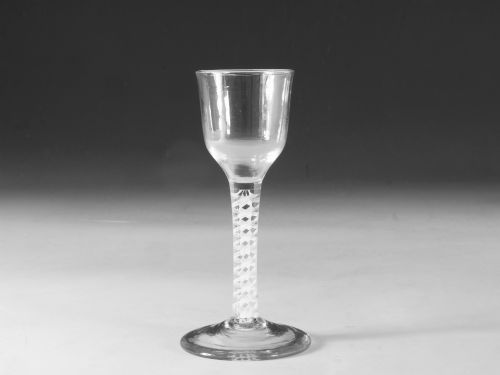
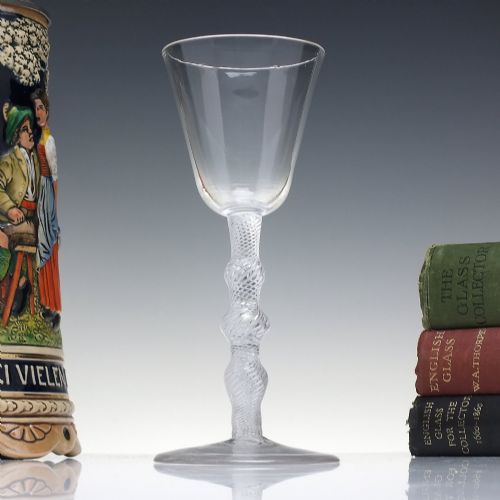
When you search for an english glass collector selection, you encounter drinking vessels and display cases spanning several distinct periods. The drinking vessels are predominantly eighteenth-century wine glasses featuring air twist and opaque twist stems.
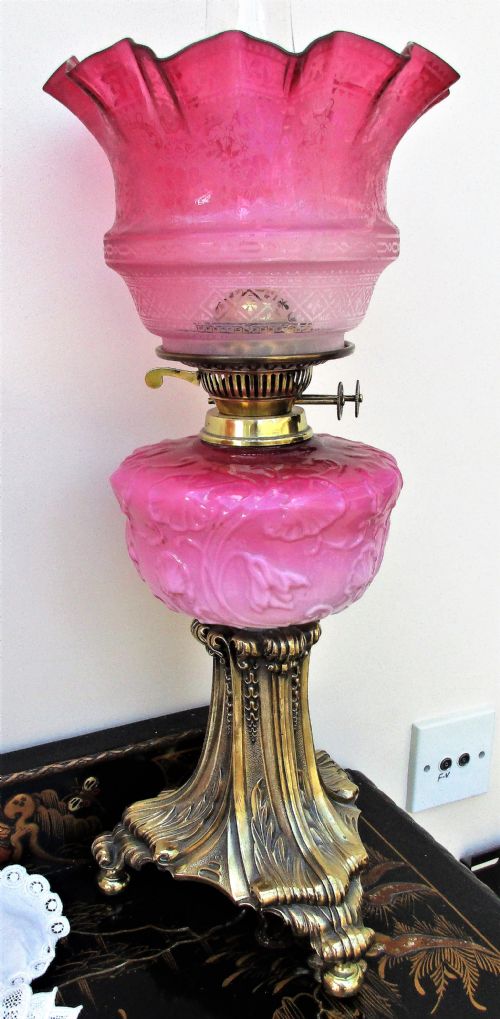
Alongside stemware, the selection includes oil lamps and larger vitrines or display domes used for preserving specimens and curiosities. These objects reflect the domestic tastes of Georgian, Victorian, and Edwardian households.
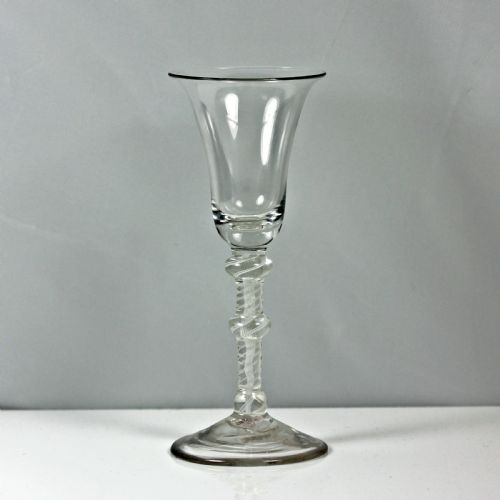
The eighteenth-century wine glasses form the core of the drinking vessel group, showing baluster and composite stem formations. Meanwhile, the later nineteenth and early twentieth-century pieces lean towards cabinetry and protective glass domes.
Materials and construction
The pieces rely heavily on lead glass and clear glass, shaped by hand during the eighteenth century to create intricate air and opaque twists within the stems. Glass blowing techniques permitted the formation of delicate bowls and fluted ogee shapes.
Cabinetry and display cases utilise ebonised wood, oak, and mahogany paired with brass fittings and glass panes. These housing structures were constructed by joiners to safely exhibit delicate items and taxidermy specimens.
English Glass Collector Retail Price Guide 2026
Typical asking prices for english glass collector among the pieces listed under this phrase on Sellingantiques today, from the lower quarter to the upper quarter. They describe what is for sale here now, not the wider market.
Some eighteenth-century wine glasses conceal tiny air bubbles trapped intentionally inside their heavy stems like frozen champagne effervescence.
The indicators of quality
Quality in the glassware rests on the clarity of the lead metal and the precision of the stem twists, such as double series opaque threads or multi-spiral formations. The balance between the bowl, stem, and foot dictates the visual harmony of an eighteenth-century wine glass.
For the cabinetry and display domes, quality is evident in the joinery of the mahogany or oak frames and the preservation of the original blown glass covers. Superior examples show careful proportion and clean integration of brass hardware.
The English Glass Collector Glossary
- Air twist
- A stem formation containing elongated internal air spirals created by drawing bubbles through the molten metal. This technique dates predominantly to the mid-eighteenth century.
- Opaque twist
- A stem type formed by enclosing white enamel rods within clear glass and twisting them into threads. These threads can be single, double, or multi-spiral.
- Baluster
- A heavy, swelling stem form reminiscent of architectural pillars, common in early eighteenth-century drinking vessels. They often incorporate knops or nodes along the shaft.
- Ogee
- A double-curved architectural profile shaped like an S, frequently seen in the bowls of Georgian wine glasses. It offers a graceful transition from rim to stem.
- Display dome
- A blown or pulled glass cover mounted on a wooden base, historically utilised to protect taxidermy, clocks, and botanical specimens from dust.
English Glass Collector: Frequently Asked Questions
How do I identify a Georgian wine glass?
Georgian wine glasses are identified by their material composition, typically heavy lead glass, and specific stem formations like balusters or twists.
They also exhibit period-appropriate bowl shapes, such as ogee or bell forms, characteristic of the eighteenth century.
What were glass display domes used for?
Glass display domes served to protect delicate items like taxidermy, botanical specimens, and clocks from dust and moisture in Victorian homes.
They were placed over wooden bases, often made of oak or mahogany, to create miniature enclosed showcases for curiosities.
What is a composite stem?
A composite stem combines two or more distinct stem styles into a single drinking vessel, such as an air twist section joined with a knop.
This construction method allowed glassmakers to demonstrate their skill by mixing baluster elements with finer twist threads.