

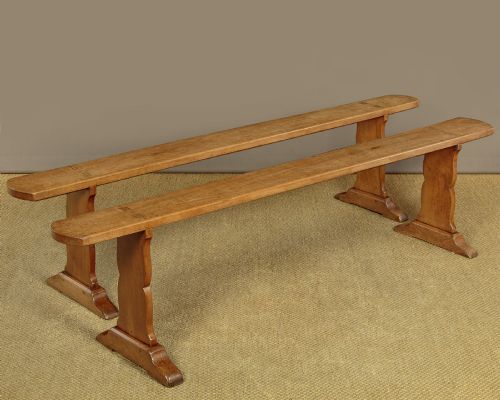


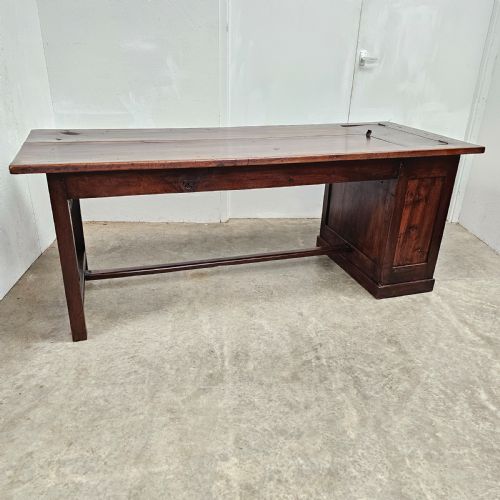


Kitchen Dining Bench
A kitchen dining bench brings utilitarian charm and honest timber construction straight to the heart of the home.
Kitchen Dining Bench
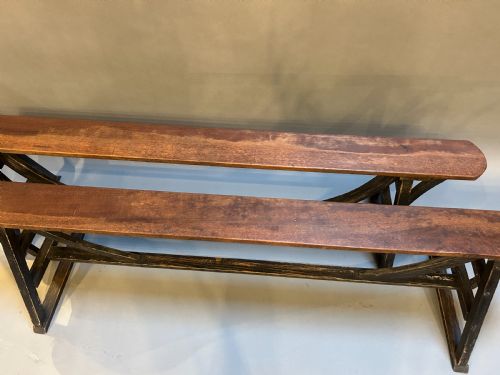
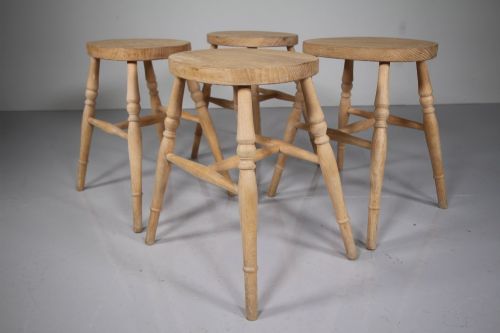
A kitchen dining bench offers a practical and sociable seating arrangement around the table, drawing on historical forms from farmhouses and workshops. When searching for a kitchen dining bench, buyers encounter pieces designed for communal dining and daily utility rather than formal parlour use.
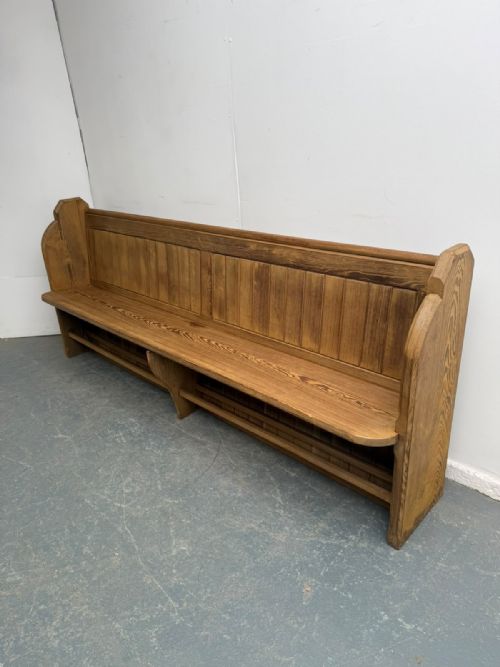
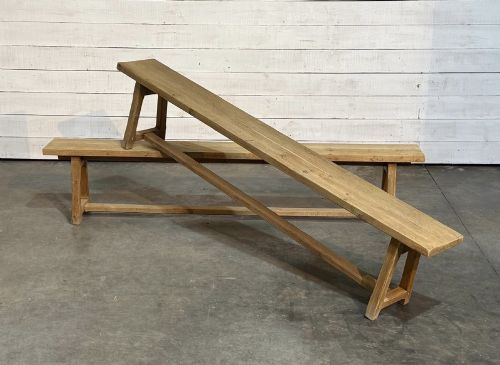
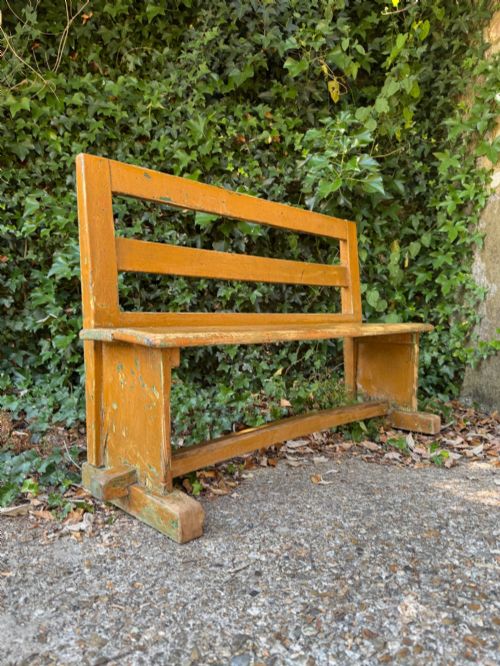
The selections span the nineteenth and twentieth centuries, encompassing Victorian, Edwardian, and later periods alongside rustic farmhouse and French provincial styles. Pine and oak predominate, frequently shaped as long plank forms, church pews, or heavy trestle benches.
Many examples originate from British, French, and Scandinavian traditions, demonstrating a preference for sturdy timbers like elm, cherrywood, and walnut. These seating options suit contemporary and traditional interiors alike, prioritising function and hard-wearing materials.
Factors of quality
Quality rests in the integrity of the timber selection and the honesty of the construction, where thicker plank tops and solid joints denote superior utility. Pieces retain their original structural elements and surface patination accumulated through decades of practical service.
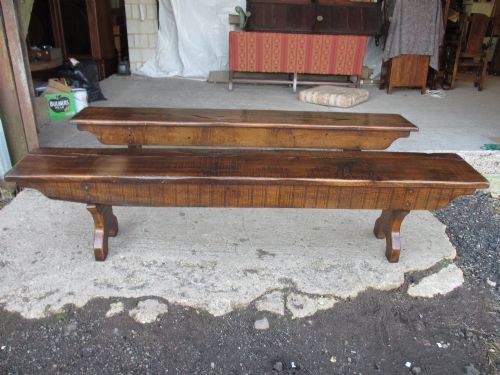
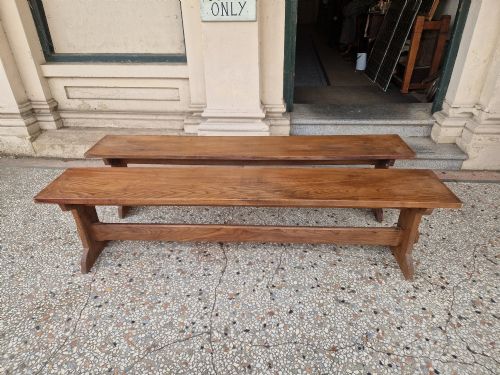
Proportion and scale distinguish finer examples, particularly matched pairs of benches designed for symmetrical dining arrangements. The harmony between the timber species and the restraint of any carved or shaped detail marks the distinction between standard workshop output and better examples.
Kitchen Dining Bench Retail Price Guide 2026
Typical asking prices for kitchen dining bench among the pieces listed under this phrase on Sellingantiques today, from the lower quarter to the upper quarter. They describe what is for sale here now, not the wider market.
Regional forms on this page include French provincial oak benches alongside British pine church pews.
The Kitchen Dining Bench Glossary
- Trestle
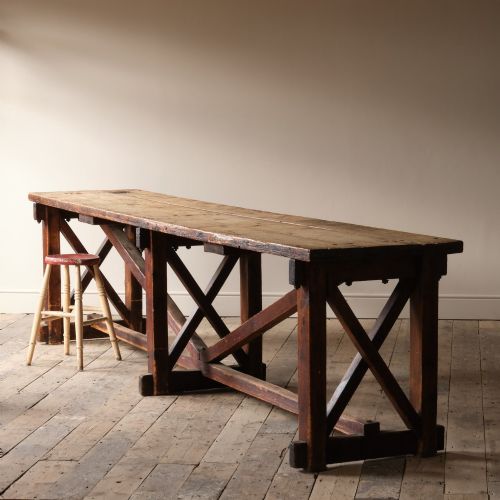
- A structural support consisting of a horizontal beam fixed to two splayed vertical feet. This form allows maximum legroom along the length of a dining bench.
- Plank-top
- A surface constructed from wide boards joined side by side. This method is typical of heavy-duty tables and benches from rural workshops.
- Refectory
- A long dining table and accompanying bench format traditionally used in monastic or communal dining halls. The term denotes substantial length and sturdy timber framing.
- Patina
- The surface sheen and colour acquired by wood through age, handling, and regular polishing. It serves as an indicator of genuine period use.
- Pew
- A long wooden bench with solid ends, originally designed for ecclesiastical settings but adapted for domestic seating. These pieces often feature integrated backrests and deep seats.
Kitchen Dining Bench: Frequently Asked Questions
How do I measure for a dining bench?
Consider both the length of your dining table and the space required for pulling the bench out comfortably. Benches typically tuck completely beneath the table frame when not in use, saving floor space in smaller kitchens.
Allow sufficient clearance at each end of the bench so diners can sit down and stand up without obstruction. Measure the height of your table apron to ensure adequate leg clearance beneath the seat.
Are wooden benches comfortable for long meals?
Solid wood benches encourage upright posture and accommodate multiple diners flexibly compared to individual chairs. Many people add loose cushions or sheepskins for extended seating comfort during long dinner parties.
The depth of the seat and the presence of a backrest, found on pew-style variants, significantly influence how long one can sit comfortably. Selecting the correct height relative to your table is essential for ergonomic dining.
Can I mix a bench with regular chairs?
Pairing a bench on one side of the table with individual chairs on the other creates a balanced and relaxed arrangement. This approach maximises seating capacity while breaking up the visual weight of matching dining sets.
Matching the timber tone or period style helps unify disparate seating elements around a central dining table. Placing the bench against a wall or window also opens up floor space in compact kitchen areas.
How do I care for antique pine and oak?
Protect wooden surfaces from excessive moisture and direct heat sources by using coasters and placemats. Regular dusting with a dry cloth prevents dirt accumulation in the grain of older timbers.
Nourish waxed finishes periodically with a suitable beeswax to maintain the moisture balance of the wood. Avoid harsh chemical cleaners that strip the natural pat patina accumulated over generations.