





Reclaimed Church Pew
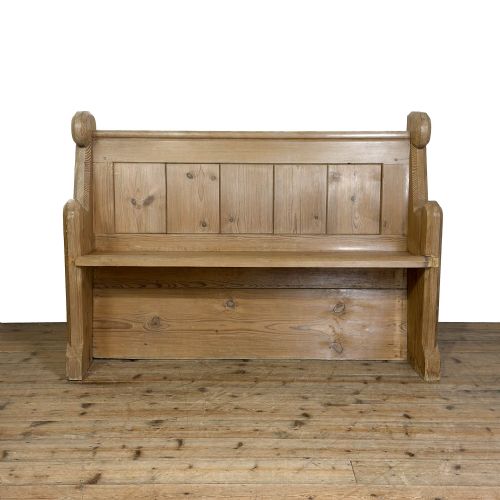
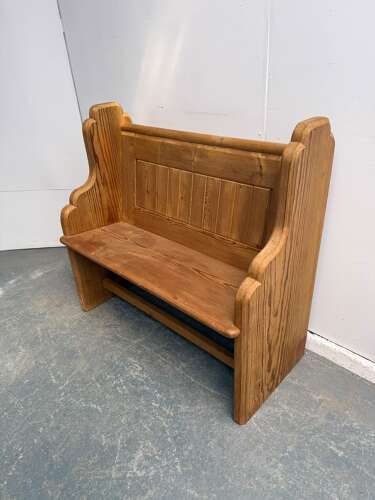
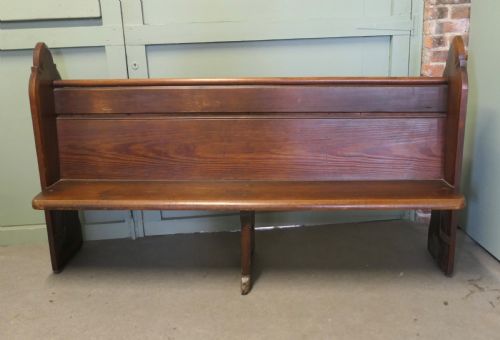
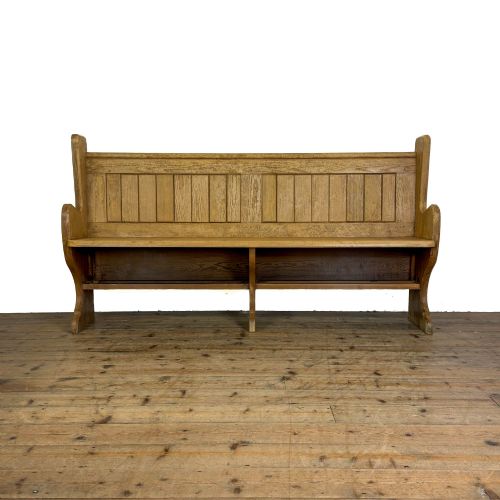
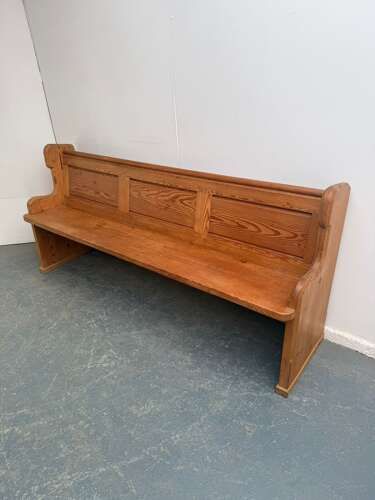
These reclaimed church pews offer sturdy timber seating carved from centuries of British ecclesiastical history.
Reclaimed Church Pew
A reclaimed church pew brings solid timber seating straight from historical houses of worship into domestic hallways and living spaces. Buyers searching for a reclaimed church pew encounter benches originating across the nineteenth century, including Victorian and Edwardian examples.
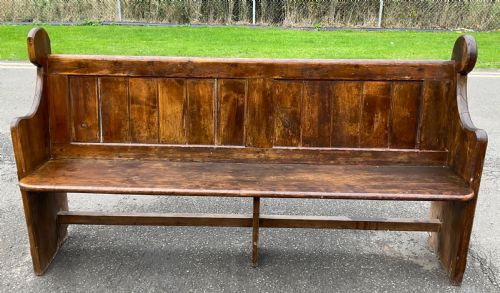
The inventory on this page showcases pieces fashioned primarily as benches or hall seats, spanning single seaters to longer multi seater formats. Regional variations appear through Cotswold oak constructions alongside more utilitarian pine and pitch pine chapel pews.
Makers of these benches built them for communal worship, employing robust joinery that survives centuries of daily use. Their long rectangular forms adapt easily to modern dining tables, boot rooms, and spacious hallways.
Materials and Construction
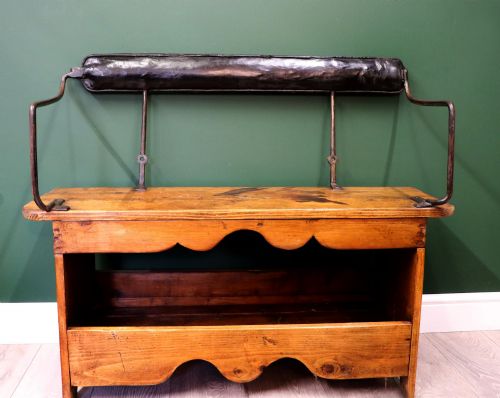
Joiners built these benches using dense softwoods like pitch pine and traditional hardwoods such as oak, finished with protective wax coatings to nourish the grain. Iron brackets and fixings occasionally reinforce the structural timber joints.
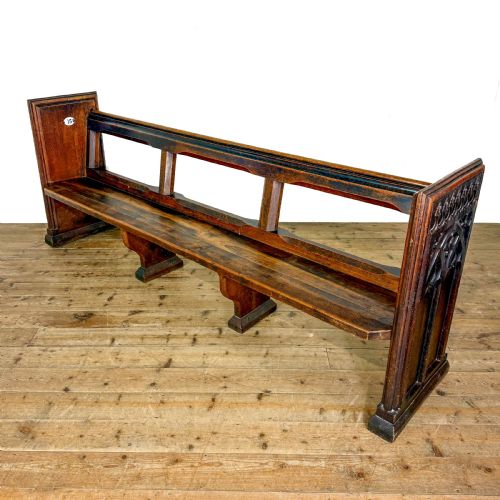
Some variations incorporate fabric or leather elements alongside carved Victorian Gothic details, reflecting the architectural preferences of the nineteenth century. Artisans shaped the seat boards for functional communal seating without unnecessary ornamentation.
Reclaimed Church Pew Retail Price Guide 2026
Typical asking prices for reclaimed church pew among the pieces listed under this phrase on Sellingantiques today, from the lower quarter to the upper quarter. They describe what is for sale here now, not the wider market.
Judging Quality and Character
Quality rests upon the depth of the timber grain, the integrity of the original joints, and the honesty of the surface wear accumulated over decades of use. Pitch pine examples with rich patination stand apart from standard utility pine benches.
The finesse of the stylistic details, such as Gothic tracery or Cotswold oak framing, elevates certain examples above simpler vernacular chapel seating. Grain movement and warm wax finishes define the aesthetic success of each bench.
The Reclaimed Church Pew Glossary
- Pitch Pine
- A dense, resinous softwood sourced mainly from North America and widely utilised in nineteenth century church joinery for its durability and strong grain pattern.
- Cotswold Oak
- A sturdy British hardwood characteristic of regional West Country furniture making, prized for its heavy density and warm honey tones.
- Victorian Gothic
- An architectural and decorative revival style prevalent during the nineteenth century, marked by pointed arches and medieval ecclesiastical motifs.
- Chapel Pew
- A simpler, often smaller bench seating arrangement found in nonconformist chapels rather than large parish churches.
Reclaimed Church Pew: Frequently Asked Questions
How do I fit a church pew in a hallway?
Measure the length of your hallway against the dimensions of the bench, ensuring sufficient clearance for walking past the backrest.
Consider narrower single seaters or three quarter length options if floor space is restricted.
Are these pews comfortable for dining?
Most ecclesiastical benches feature upright timber backs and shaped wooden seats designed for posture during services rather than lounging.
Adding loose cushions or squabs improves comfort for prolonged dining table seating.
How should I clean a waxed pine pew?
Dust the timber regularly with a dry cloth and apply a quality bees wax periodically to maintain the sheen.
Avoid placing these benches near direct heat sources to prevent the old pine from drying and splitting.
How do I date an antique church pew?
Examine the timber species, tool marks, and stylistic clues such as Victorian Gothic carvings or Arts and Crafts simplicity.
Nineteenth century pieces often display distinct hand plane marks and natural patination that reveal their age.