

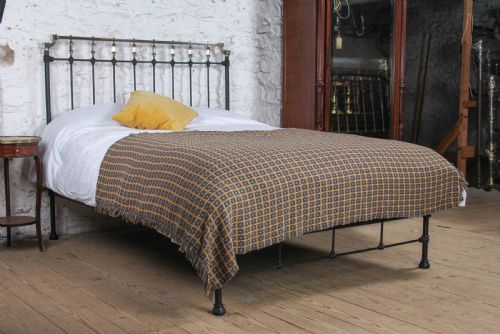
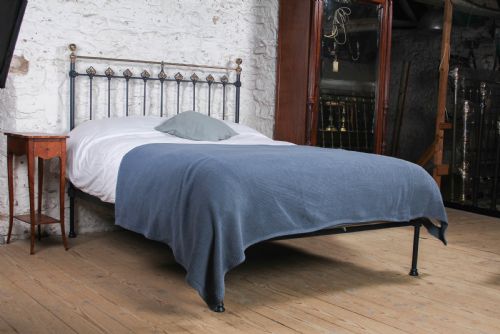
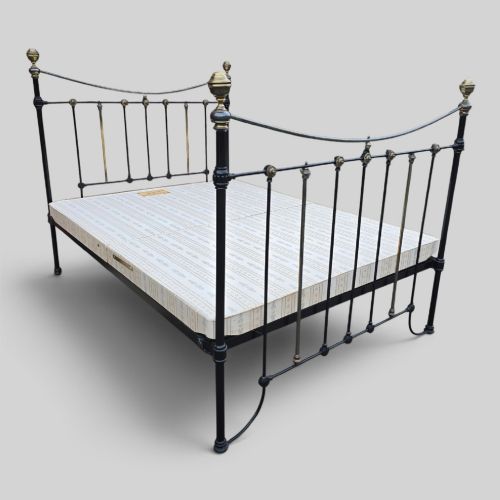
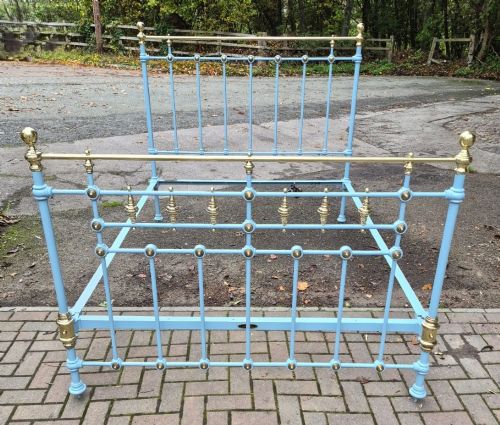
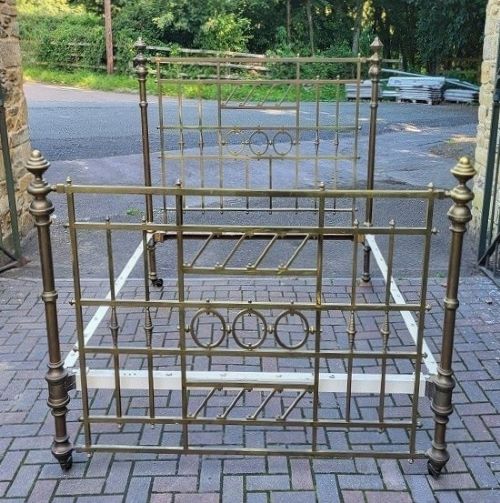
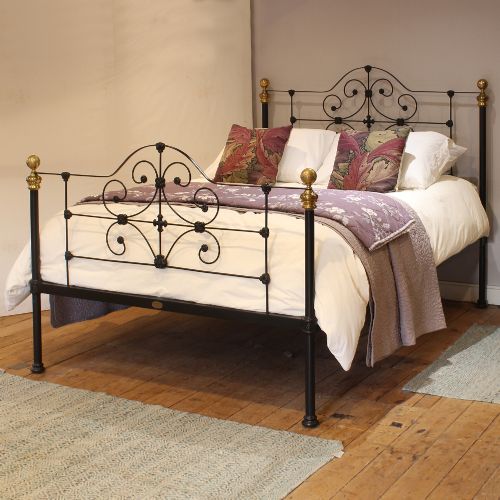
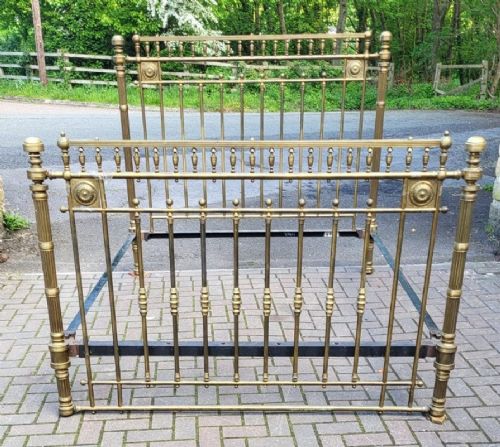
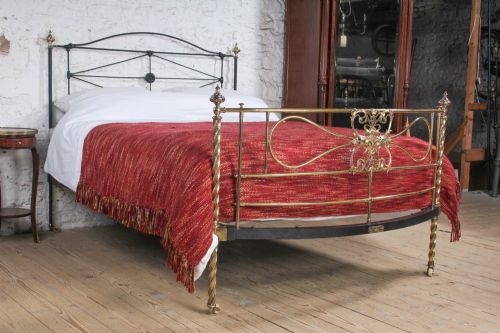

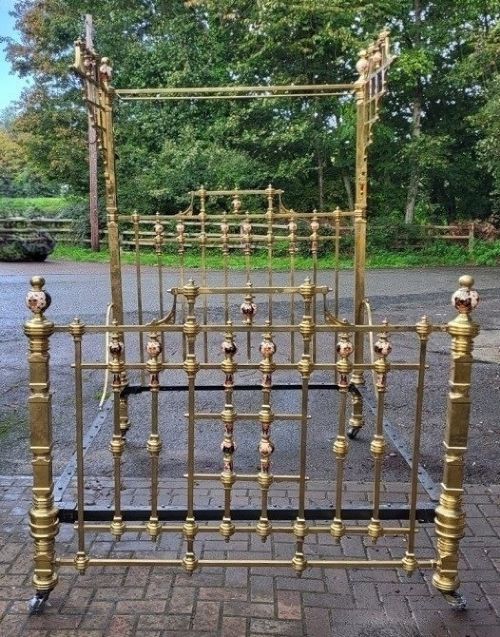
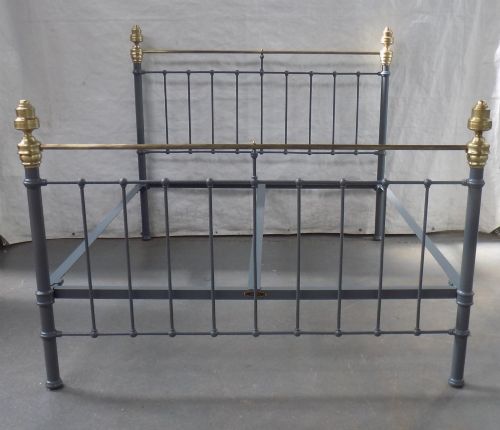

King Size Metal Headboard
A king size metal headboard anchors a bedroom with substantial presence, bringing period character and sturdy architectural lines to the room.
King Size Metal Headboard
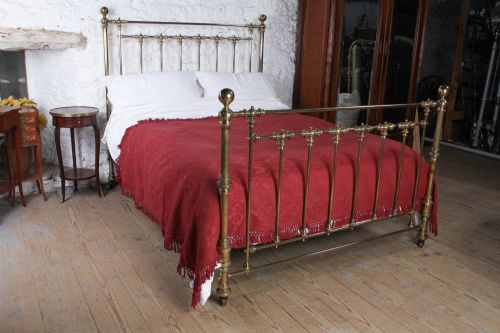
A king size metal headboard provides a substantial architectural focal point for a large bedroom. The selection spans Victorian, Edwardian and early twentieth-century origins, capturing significant metalworking traditions from Britain, France, Italy, Spain and Portugal.
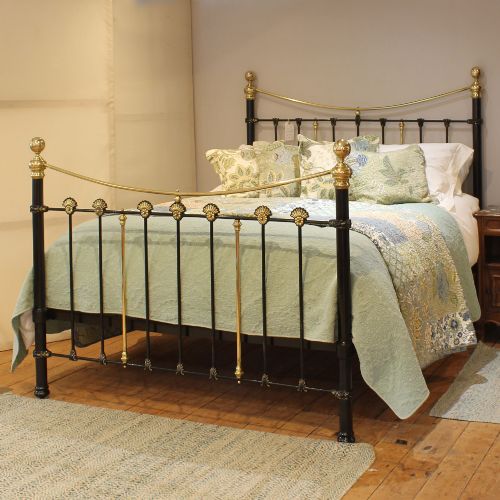
Most examples originate as full bed frames or bedsteads from the mid-nineteenth century through to the early twentieth century, utilising periods such as the Victorian and Edwardian eras. These pieces combine cast iron, wrought iron and polished brass to create commanding proportions.
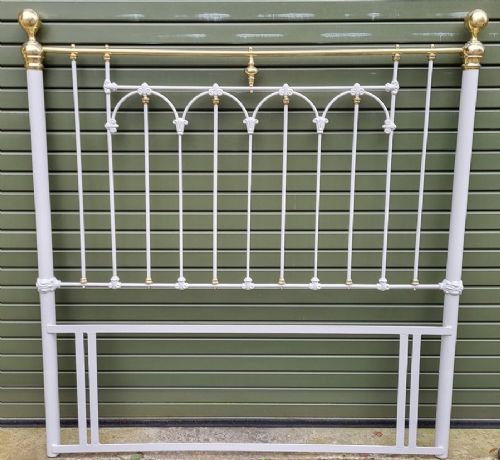
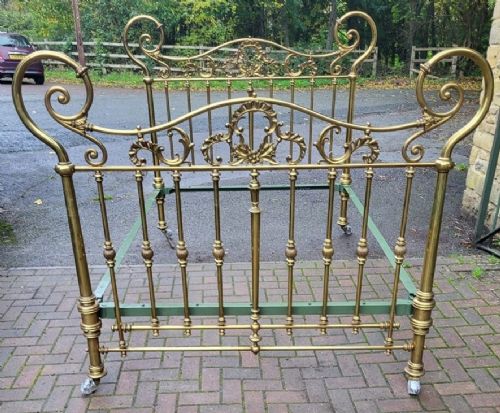
Buyers encounter classic straight rail designs, arched silhouettes, and ornate Gothic Revival or Aesthetic Movement details. The forms reflect robust construction methods designed for domestic durability and decorative impact.
How they were made
Makers utilised a combination of cast iron, wrought iron, and sheet metal for structural frames, paired with polished brass components and cast brass detailing. Structural integrity relied on heavy casting techniques and forged iron work.
Surfaces frequently feature applied paint finishes, traditional black coatings, or painted floral decorations on tole ware. Gilding and polished brass elements provide contrast against the darker iron frameworks.
King Size Metal Headboard Retail Price Guide 2026
Typical asking prices for king size metal headboard among the pieces listed under this phrase on Sellingantiques today, from the lower quarter to the upper quarter. They describe what is for sale here now, not the wider market.
Some nineteenth-century brass beds incorporated secret folding mechanisms to simplify transport across grand estates.
What varies in quality
Quality rests in the crispness of the brass castings and the complexity of the ironwork. Pieces produced by notable makers exhibit finer detailing and more substantial gauge metals.
The integrity of the original joints, the weight of the brass tubing, and the preservation of original painted or gilded surfaces distinguish superior examples from standard production.
James Shoolbread & Co.·Winfield·Maple & Co.
The King Size Metal Headboard Glossary
- Cast iron
- Iron poured into a mould to create rigid structural or decorative components. This technique allows for intricate relief patterns and sturdy framing.
- Wrought iron
- Iron heated and hammered into shape by hand, resulting in fibrous, resilient structural elements. This material demonstrates individual forging marks.
- Brass
- An alloy of copper and zinc used for decorative tubing, finials and mounts. It provides a bright metallic contrast to dark iron frameworks.
- Tole ware
- Lacquered or enamelled metal objects, often decorated with painted scenes or floral motifs. This finish adds colour and ornamentation to the metal surface.
- Gilding
- The application of a thin layer of gold leaf or powder to a surface. It highlights decorative mouldings and brass details.
King Size Metal Headboard: Frequently Asked Questions
How do I attach an antique headboard?
Antique metal headboards typically connect directly to standard modern bed bases or frames using custom brackets and bolts. Careful measurement of fixing points ensures a secure attachment.
Professional fitters can adapt older mounting points to suit contemporary divans without damaging the original iron or brass structure.
How do I clean brass and iron?
Maintenance involves dusting with a soft cloth and preserving original patina rather than aggressive polishing. Gentle cleaning protects vulnerable surface coatings and paint.
Harsh chemical cleaners strip historical finishes, so mild soapy water works best for removing surface grime from painted iron and brass.
Are these pieces heavy?
Solid iron and brass construction makes these headboards exceptionally heavy and durable. Two people are usually required for safe transport and positioning.
Wall anchoring or secure frame attachment provides stability given the substantial weight of the cast components and heavy gauge metals.
How do I date a metal bed?
Dating relies on stylistic clues such as Gothic Revival motifs, Aesthetic Movement geometry, or Art Nouveau curves. Manufacturing techniques also indicate the period of origin.
Victorian pieces often feature heavy cast iron combined with robust brass tubing, whereas Edwardian examples introduce lighter proportions and dip-rails.