





Khorasan Tribal Rug
A khorasan tribal rug brings the rich nomadic heritage of north-east Persia directly to your floor.
Khorasan Tribal Rug
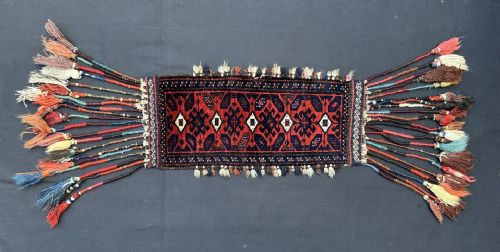
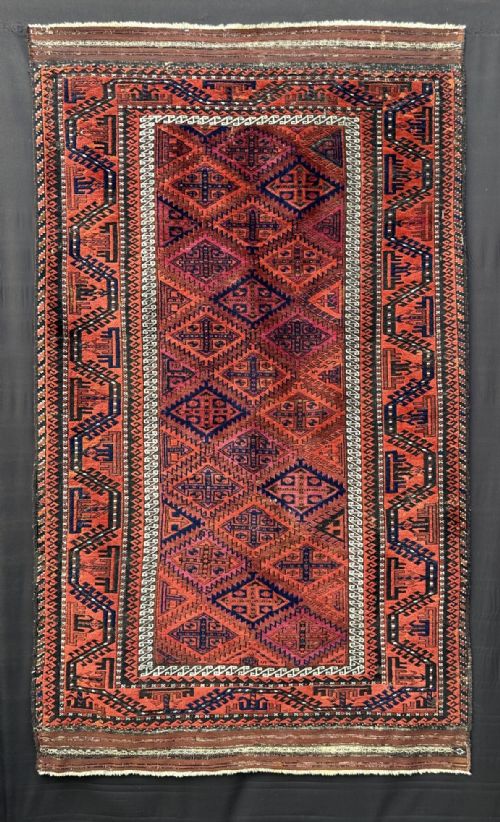
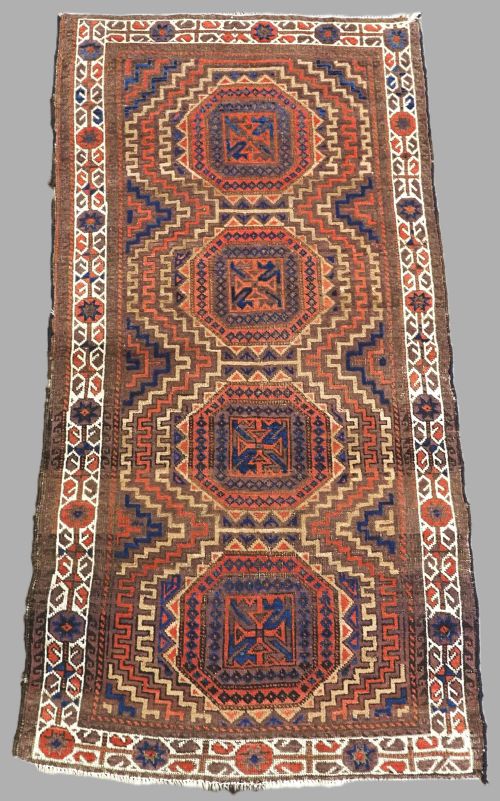
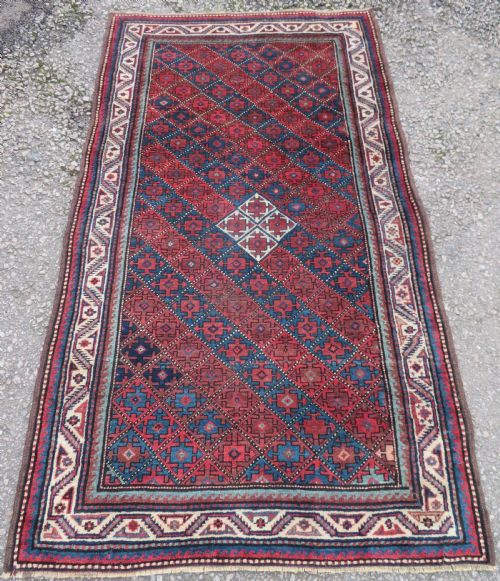
A khorasan tribal rug forms part of a distinctive group of floor coverings woven by regional tribes and nomadic groups in the Khorasan province of north-east Persia. These pieces reflect the traditional motifs and weaving methods passed down through generations of tribal makers.
The versions most frequently met on this page date from the nineteenth century up to the early twentieth century, spanning periods such as eighteen eighty and nineteen hundred. They commonly feature stylistic designations such as Baluch tribal, Kurdish tribal, and Quchan Kurdish influences.
Makers utilised familiar regional patterns including the mina khani design, fine lattice work, calyx lattices, and large guls. These rugs serve as practical yet deeply decorative examples of nineteenth and early twentieth century tribal textile artistry.
How they were made
Weavers constructed these pieces using durable wool piles often set upon sturdy cotton foundations. Certain rustic examples incorporate camel wool within the pile to add natural texture and subtle tonal variation.
The construction relies on traditional hand-knotting techniques executed by tribal and nomadic weavers in the Khorasan region and surrounding areas. This method creates dense, resilient surfaces designed to withstand generations of daily use.
Khorasan Tribal Rug Retail Price Guide 2026
Typical asking prices for khorasan tribal rug among the pieces listed under this phrase on Sellingantiques today, from the lower quarter to the upper quarter. They describe what is for sale here now, not the wider market.
Materials recorded across the current inventory include standard wool, cotton foundations, and natural camel wool.
What varies in quality
The standard of a khorasan tribal rug depends upon the tightness of the knotting and the precision of the tribal design work, such as a fine lattice or mina khani variant. Tighter foundations and more meticulously rendered motifs distinguish the finer examples from simpler, highly rustic pieces.
Material selection also influences the overall caliber of the weaving, particularly where soft camel wool or exceptionally clean standard wool is employed in the pile. Preserved surface pile and clear delineation of traditional motifs elevate the presence of the rug.
The Khorasan Tribal Rug Glossary
- Mina khani
- A traditional repeating pattern of daisy-like flowers linked by delicate trellis lines. This motif appears frequently across Khorasan and Baluch weaving.
- Gul
- A medallion-like floral or octagonal motif repeated across the field of tribal rugs. These graphic symbols often identify specific weaving groups.
- Calyx lattice
- A geometric framework pattern incorporating stylized flower buds or calyxes within the lattice network. It structures the central field of the rug.
- Quchan
- A region in north-east Persia associated with Kurdish tribal weaving traditions. Rugs originating here display distinct regional design characteristics.
Khorasan Tribal Rug: Frequently Asked Questions
What is a khorasan tribal rug?
A khorasan tribal rug is a hand-knotted textile produced by nomadic and village weavers in the Khorasan province of north-east Persia. These pieces date from the nineteenth and early twentieth centuries.
They display traditional motifs such as guls, lattice networks, and mina khani patterns, reflecting the distinct cultural heritage of groups including the Baluch and Quchan Kurds.
How do I care for my rug?
Protect your wool and cotton rug by placing it in a low-traffic area or using a quality underlay to prevent sliding and excessive friction. Regular gentle vacuuming without a beater bar keeps the pile free of dust.
Professional cleaning should be undertaken periodically by specialists familiar with antique vegetable-dyed wool textiles to preserve the integrity of the natural materials.
How old are these rugs?
The pieces available here generally date from the late nineteenth century through to the early decades of the twentieth century. Specific periods represented include eighteen eighty and nineteen hundred.
Exact dating is determined by examining the materials, structural characteristics, dye palettes, and traditional design elements typical of those eras.
How do I identify tribal designs?
Tribal designs are recognised through repeating geometric motifs, stylized floral arrangements like the mina khani, and characteristic medallion guls. These patterns were memorised and passed down within specific weaving groups rather than copied from written templates.
Comparing structural layouts and regional motifs helps differentiate pieces woven by Baluch groups from those produced by Kurdish weavers in areas such as Quchan.