





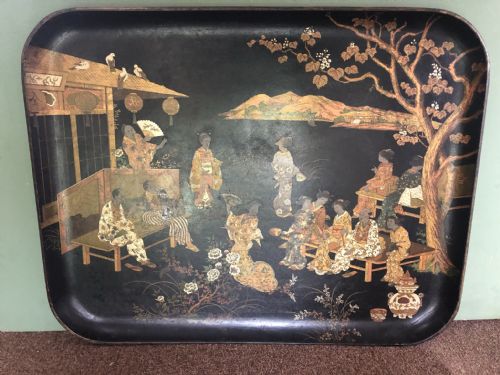


Japanese Serving Tray
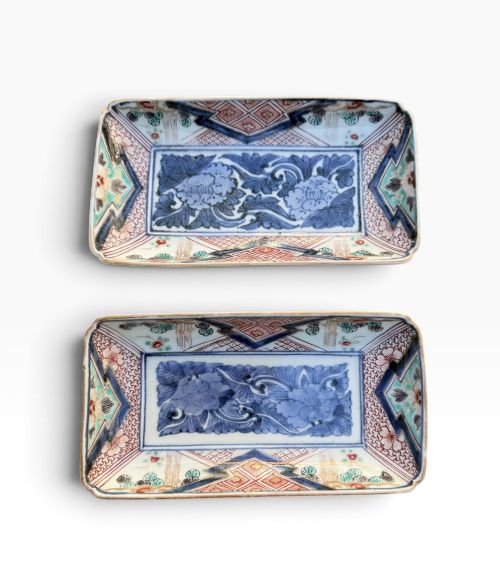
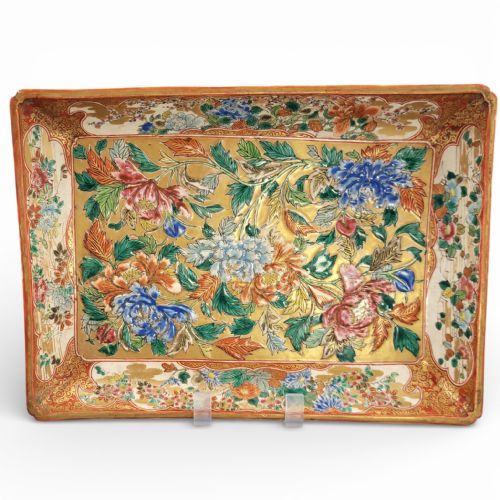
These japanese serving tray examples span centuries of intricate craft, offering rich patterns and textures that elevate any display.
Japanese Serving Tray
A japanese serving tray encompasses both authentic imports from distant eras and domestic interpretations inspired by far eastern aesthetics. Buyers seeking this category encounter diverse objects, from delicate Imari porcelain dishes to robust cloisonne enamel platters and carved wooden tea ceremony sets.
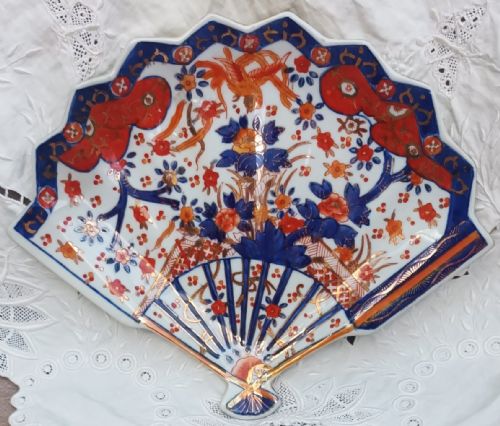
The selections span distinct periods, featuring fragile blue and white wares alongside mid nineteenth century export papier-mache lacquer pieces and vibrant Meiji period works. Forms range from deep lobed serving dishes to fan shaped plates and large octagonal trays.
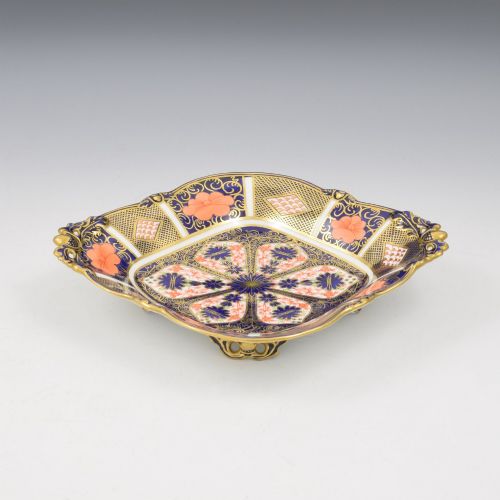
While many listings originate directly from Japan across the Edo and Meiji eras, British factories also produced pieces utilising Imari patterns during the twentieth century. This blend of authentic eastern manufacture and western adaptation defines the variety found within the category.
Construction and Materials
Artisans employed rigorous techniques across multiple mediums, applying enamel, gold leaf, and gilding onto porcelain, bone china, copper, and papier-mache. Cloisonne works involve intricate metal wire boundaries filled with coloured enamel pastes before firing and polishing.
Porcelain and bone china items utilise detailed hand painting, evident in the cobalt blue and iron red pigments characteristic of Imari styles. Carved wooden sets for the tea ceremony demonstrate traditional woodworking skills applied to functional ceremonial items.
Japanese Serving Tray Retail Price Guide 2026
Typical asking prices for japanese serving tray among the pieces listed under this phrase on Sellingantiques today, from the lower quarter to the upper quarter. They describe what is for sale here now, not the wider market.
Assessing Quality and Execution
The standard of execution depends heavily on the precision of the enamel work, the clarity of the porcelain body, and the complexity of the hand painted details. Superior pieces display crisp outlines, vibrant undisturbed gilding, and balanced compositional harmony across the surface.
Materials dictate much of the inherent value, with heavy copper cores in cloisonne trays or finely potted porcelain bodies representing higher tiers of production. Condition and the preservation of delicate surface decoration also distinguish exceptional examples from standard wares.
Royal Crown Derby
The Japanese Serving Tray Glossary
- Cloisonne Enamel
- A decorative metalwork technique where thin metal wires form compartments filled with enamel paste. This method creates detailed pictorial scenes such as leaping koi or birds.
- Imari
- A style of Japanese porcelain featuring a distinct palette of underglaze blue, iron red, and gold. English potteries later adopted this vibrant aesthetic for domestic serving dishes.
- Meiji Period
- The era in Japanese history spanning from eighteen sixty eight to nineteen twelve. Pieces from this time often exhibit remarkable technical mastery in enamel and porcelain.
- Papier-mache
- A composite material made from paper pulp and binding agents, moulded and finished with lacquer. These export trays provided durable surfaces for decorative display.
- Edo Period
- The historical Japanese era preceding the Meiji period, known for refined traditional arts. Early porcelain dishes date back to these earlier centuries.
Japanese Serving Tray: Frequently Asked Questions
How do I date a Japanese tray?
Dating relies on stylistic markers, materials, and historical periods such as the Meiji or Edo eras. Examining the base of porcelain pieces or the wiring style in cloisonne helps determine the approximate age.
Export records and manufacturing techniques like papier-mache lacquer also provide contextual clues for placing an item within the nineteenth century.
What is Imari style porcelain?
Imari porcelain originates from the town of Arita and is known for its strong cobalt blue and iron red palette, frequently highlighted with gold. These striking colour combinations made them popular for export.
British makers later produced their own versions of this aesthetic, creating similar serving dishes and plates under patterns like those from Royal Crown Derby.
How were cloisonne trays used?
Cloisonne trays served both decorative and functional roles in traditional settings, designed to hold small objects or display artistic craftsmanship. Their sturdy copper bases and enamelled surfaces made them durable.
Today, collectors primarily utilise these vibrant pieces for visual display on tables or cabinets rather than active serving.