





Japanese Porcelain Plate Set
A Japanese porcelain plate set brings centuries of skilled ceramic artistry and distinctive hand-painted palettes straight to your table.
Japanese Porcelain Plate Set
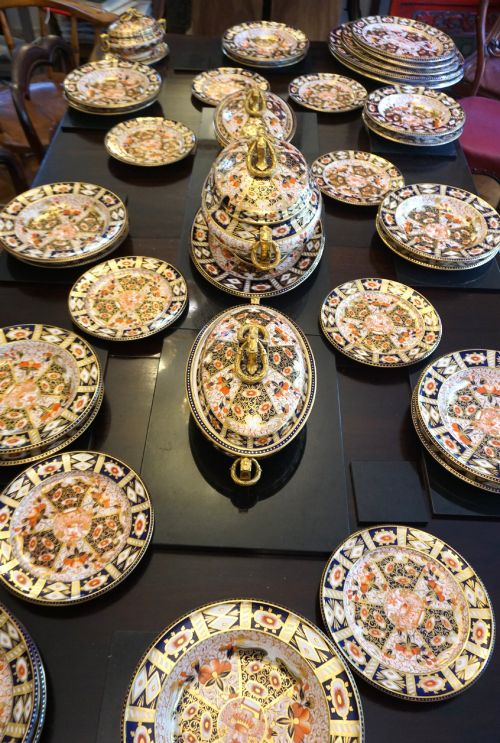
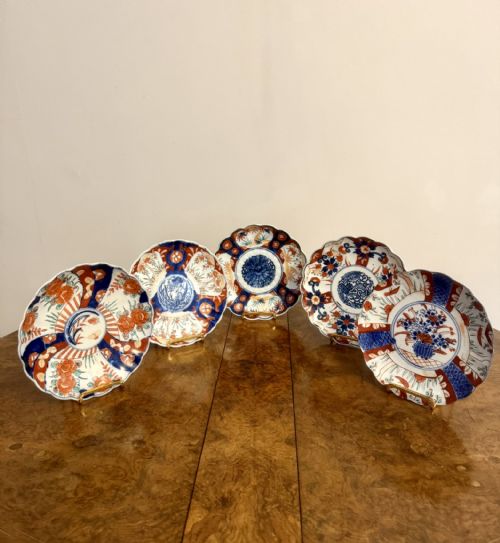
A japanese porcelain plate set comprises grouped ceramics created for display or dining, predominantly hailing from the nineteenth century and the Meiji period. These collections range from small gatherings of four shaped dishes to larger matching sets complete with traditional storage boxes.
The aesthetic of a japanese porcelain plate set relies heavily on historic decorative traditions, most notably the rich blue and iron-red tones of Japanese Imari work. Alongside these traditional patterns, buyers encounter Satsuma ware and specialised sushi plates reflecting distinct historical periods.
Materials and construction
The foundation of these items is fine porcelain, occasionally accompanied by earthenware, shaped and fired before receiving intricate surface decoration. Artisans applied vibrant enamel pigments and gold leaf or gilding to highlight complex motifs.
Many sets were preserved with purpose-built wood or iron components, such as original storage boxes that protected the delicate tableware over generations of use.
Japanese Porcelain Plate Set Retail Price Guide 2026
Typical asking prices for japanese porcelain plate set among the pieces listed under this phrase on Sellingantiques today, from the lower quarter to the upper quarter. They describe what is for sale here now, not the wider market.
Current listings feature porcelain and earthenware materials decorated with enamel, gold leaf, and traditional glazes.
Assessing quality
The standard of a japanese porcelain plate set is determined by the precision of the hand-painted enamel work and the consistency found across the matching pieces. Uniformity in the glaze and the deliberate application of gold leaf separate standard domestic wares from superior examples.
Completeness also dictates standing, as larger surviving groupings enclosed within their original storage boxes retain greater historical integrity than scattered or mismatched service pieces.
The Japanese Porcelain Plate Set Glossary
- Imari
- A traditional Japanese ceramic style known for its rich cobalt blue, iron red, and gold palette. It originated in the town of Arita and became immensely popular for export.
- Satsuma
- A type of Japanese earthenware featuring a characteristic ivory-coloured craquelure glaze decorated with polychrome enamels and gilding. These pieces were largely produced during the Meiji period.
- Meiji Period
- The era in Japanese history spanning from 1868 to 1912, marked by opening trade with the West and prolific export of decorative arts. Works from this time display exceptional technical skill.
- Porcelain
- A hard, white ceramic material fired at high temperatures, prized for its translucency and ringing tone when struck. It forms the durable body of most traditional tableware.
Japanese Porcelain Plate Set: Frequently Asked Questions
How were these plate sets originally used?
These sets served both functional dining purposes and decorative display within formal households. Many of the larger groupings were utilised for serving specialised meals such as sushi.
Over time, many of these ceramics functioned as prized decorative objects displayed on walls or within cabinets. Their robust construction allowed them to transition between practical tableware and cherished display items.
How do I care for antique porcelain plates?
Handle these delicate items with clean hands and wash them by hand using mild soap and warm water. Avoid harsh scrubbing brushes that might damage the surface enamels and gold leaf.
Store them securely in padded containers or display them using stable plate hangers designed for antique ceramics. Keeping them away from direct sunlight and sudden temperature changes preserves the glaze.
What defines Meiji period ceramics?
Meiji period ceramics encompass pieces produced during the reign of Emperor Meiji, a time of intense artistic output and international export. Craftsmen refined traditional techniques to create highly detailed decorative surfaces.
Works from this era often feature elaborate pictorial scenes enhanced by extensive gilding and vibrant enamel work. They represent a bridge between classical Japanese motifs and Western aesthetic tastes.