




Japanese Porcelain Centerpiece Bowl
A Japanese porcelain centerpiece bowl brings striking pattern and substantial presence to a room, drawing the eye with rich cobalt blue and gilt detail.
Japanese Porcelain Centerpiece Bowl
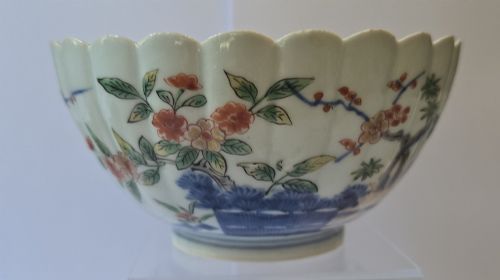
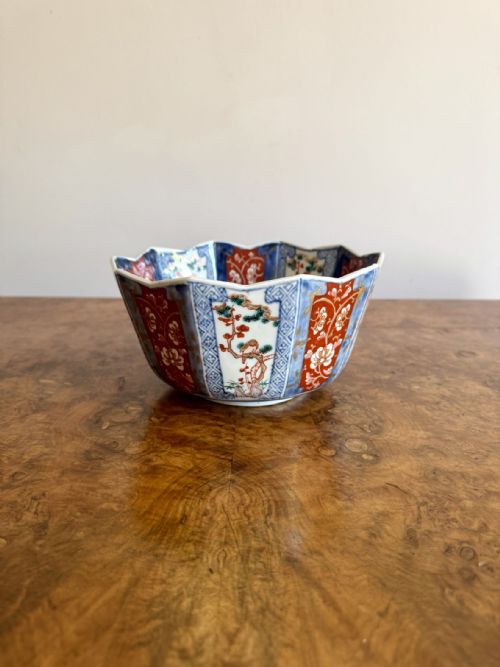
A Japanese porcelain centerpiece bowl represents a grand category of decorative vessels created across the nineteenth century and around nineteen hundred. These pieces span distinct traditions, most notably Japanese Imari, Satsuma, and Arita wares.
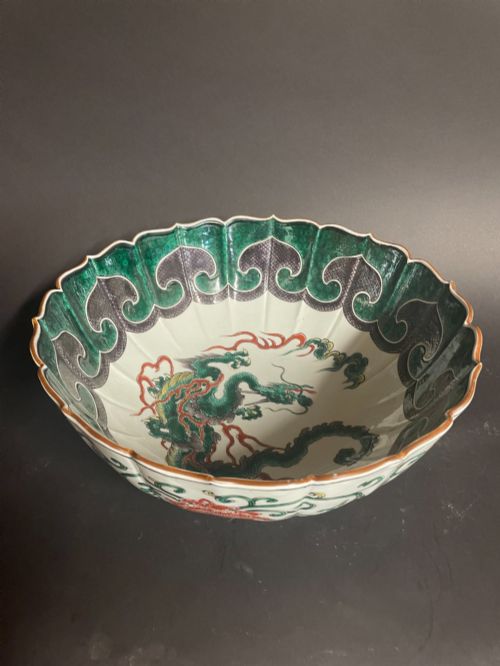
Most examples found in these listings display the characteristic scallop edges and generous proportions suited for a prominent table setting. Collectors encounter works originating from the Meiji period and Edwardian export eras alongside nineteenth century productions.
How they were made
Potters shaped fine porcelain and earthenware bodies before applying intricate hand-painted designs using cobalt blue, enamel, and gold leaf. Skilled artisans then fired these vessels to fuse the vibrant pigments and rich glaze surfaces.
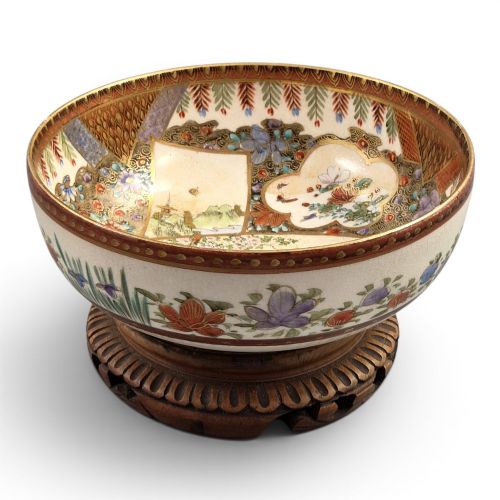
Certain monumental Satsuma pieces received elaborate pictorial scenes and delicate gilt work, requiring precise brushwork by named makers. Wood elements sometimes accompanied these decorative bowls for display.
Japanese Porcelain Centerpiece Bowl Retail Price Guide 2026
Typical asking prices for japanese porcelain centerpiece bowl among the pieces listed under this phrase on Sellingantiques today, from the lower quarter to the upper quarter. They describe what is for sale here now, not the wider market.
Listings feature pieces spanning the nineteenth century, the Meiji period, and nineteen hundred, utilising porcelain, earthenware, enamel, and gold leaf.
What varies in quality
Quality rests upon the crispness of the enamel work, the depth of the cobalt blue, and the generosity of the gold leaf applied across the surface. Superior bowls exhibit confident brush control and intricate detailing that remain sharp across large decorative expanses.
The distinction between standard export items and exceptional pieces also depends on the complexity of the motifs, such as samurai battle scenes or dense millefleur patterns. Signed works by notable studios demonstrate a higher level of artistic ambition.
Kozan·Ryuzan·Kinkozan
The Japanese Porcelain Centerpiece Bowl Glossary
- Imari
- A traditional style of Japanese porcelain featuring a distinct palette of cobalt blue, iron red, and gold leaf. This aesthetic developed during the Edo period and remained popular through the Meiji era.
- Satsuma
- A type of Japanese earthenware characterised by a pale, ivory-crackled glaze decorated with elaborate enamel and gilt motifs. These pieces often depict historical figures, samurai battles, or floral compositions.
- Meiji Period
- The era of Japanese history spanning from eighteen sixty-eight to nineteen twelve, noted for extensive export of decorative arts to Western markets. Works from this time display exceptional technical skill.
- Arita
- The historic Japanese town and region where porcelain production first began in the seventeenth century. Arita wares form the foundation of many traditional export bowls.
- Gilt
- A thin layer of gold applied to the surface of porcelain or earthenware to accentuate decorative borders and motifs. This technique adds a reflective quality to the finished vessel.
Japanese Porcelain Centerpiece Bowl: Frequently Asked Questions
How are these bowls dated?
Dating relies on stylistic markers, decorative techniques, and period characteristics such as Meiji period motifs or Edwardian export conventions. Potters' marks and signatures also assist in establishing a reliable timeframe.
Material composition, including the specific type of glaze and porcelain body, further guides collectors in distinguishing nineteenth century pieces from later productions.
Where should I display a large bowl?
These substantial decorative vessels suit prominent central locations such as dining tables, entrance hall consoles, or large sideboards where their full diameter remains visible. Their rich palette demands a setting with balanced lighting to highlight the gilt and enamel details.
Ensuring adequate space around the bowl prevents crowding and allows the intricate patterns to command the room effectively.
What is the difference between Imari and Satsuma?
Imari pieces consist of hard porcelain decorated primarily in cobalt blue, iron red, and gold, resulting in a crisp and durable finish. Satsuma pieces utilise a softer earthenware body with a distinctive crackled ivory glaze and dense enamel painting.
Both styles served different aesthetic preferences during the nineteenth century export boom.
Can these bowls be used for serving food?
Antique decorative bowls function primarily as ornamental display pieces rather than practical tableware. The delicate enamel and gold leaf decorations on nineteenth century surfaces require careful preservation away from daily culinary use.
Gentle dusting with a dry cloth maintains the condition of the glaze and pigments over time.