




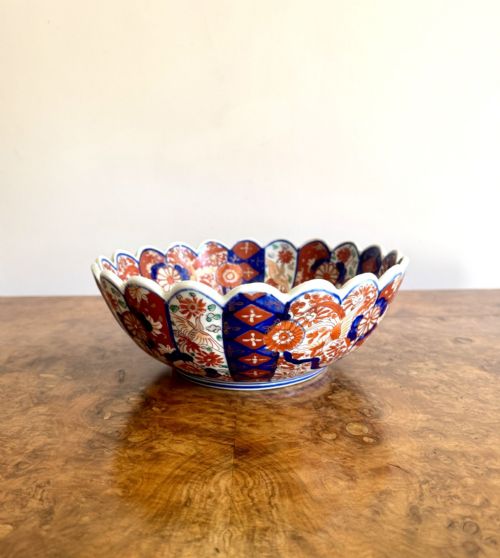
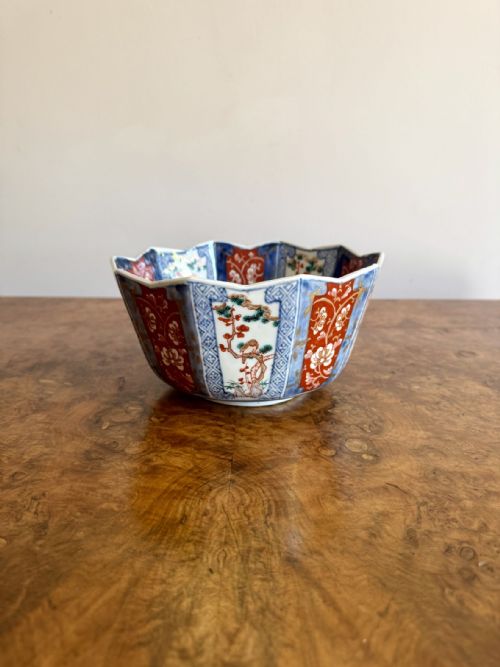


Japanese Arita Porcelain Bowl
A japanese arita porcelain bowl brings centuries of kiln artistry into the home, prized for vibrant palettes and robust ceramic forms.
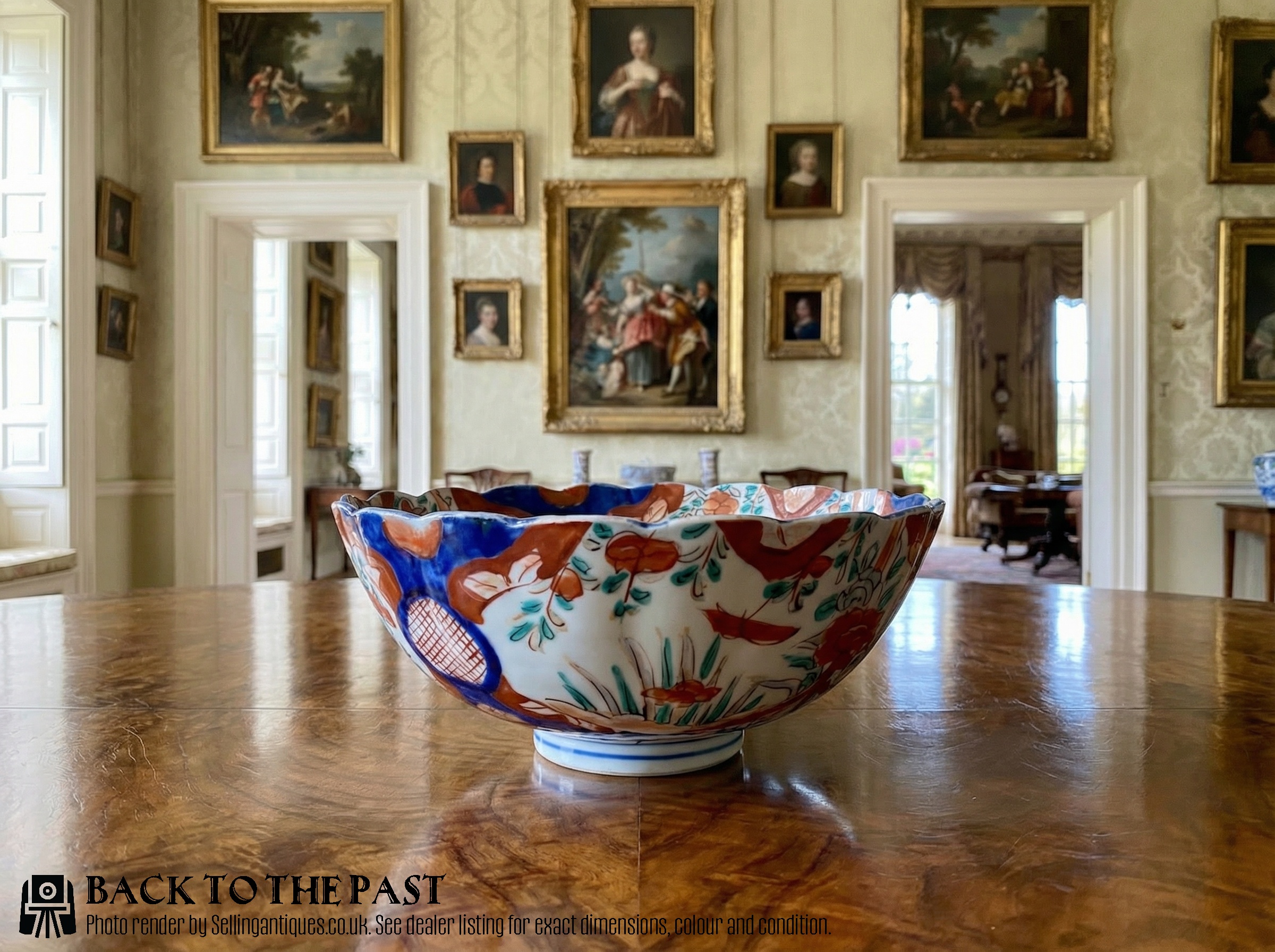
Japanese Arita Porcelain Bowl
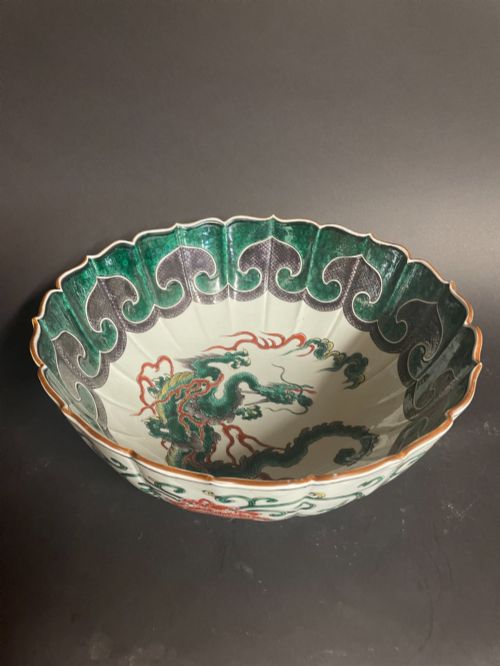
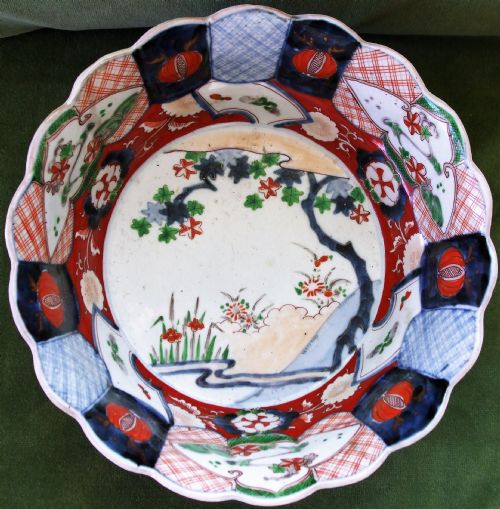
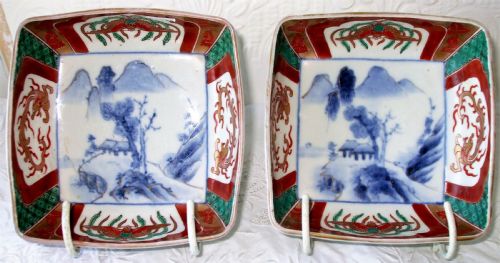
A japanese arita porcelain bowl encompasses items originating from the town of Arita in Hizen province, spanning production from the seventeenth century through to the twentieth century. These vessels appear in diverse configurations including large centrepieces, shallow dishes, jardiniere planters, and hexagonal forms.
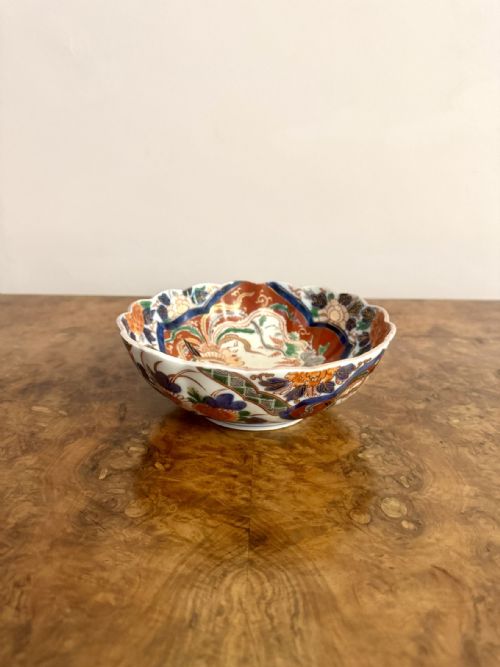
The pieces encountered most frequently on this page date from the Edo and Meiji periods, alongside items from around nineteen hundred. Collectors also encounter Japanese Imari styles and blue and white porcelain variants among the listed decorative bowls and chargers.
Forms range from simple circular vessels to scallop edge designs and clam shell dishes. Buyers select these objects for both display and utility, appreciating the historical scope represented across the centuries.
Materials and Techniques
Potters utilised fine white ceramic and porcelain as the foundational body for these vessels, shaping them by hand or on the wheel. Cobalt blue underglaze provided the primary blue tones applied directly to the clay body before firing.
Enamel colours and gold leaf were frequently added over the glaze during subsequent firings to create the rich decorative schemes associated with Imari wares. Gilt highlights and precise brushwork completed the surface details on bowls and dishes.
Materials recorded across the inventory include ceramic, porcelain, cobalt blue underglaze, enamel, glaze, gold leaf, and gilt.
Assessing Quality and Execution
Quality in these porcelain vessels rests upon the crispness of the cobalt underglaze painting and the precision of the overglaze enamels. Superior examples demonstrate controlled brushwork and balanced compositions across the surface of the bowl.
The physical weight, the fineness of the porcelain body, and the preservation of gold leaf details distinguish finer pieces from standard production. Early seventeenth and eighteenth-century items often show distinct potting characteristics compared to later Meiji period output.
The Japanese Arita Porcelain Bowl Glossary
- Arita
- The Japanese town and surrounding region in Hizen province famous as the birthplace of Japanese porcelain production. Kilns here supplied domestic and export markets for centuries.
- Meiji Period
- The era in Japanese history lasting from eighteen sixty-eight to nineteen twelve. Pieces from this time often exhibit elaborate hand-painted details and confident forms.
- Edo Period
- The period of Japanese history running from sixteen hundred and three to eighteen sixty-eight. Early Arita wares originating from this era are highly sought after by collectors.
- Jardiniere
- A large ornamental pot or bowl designed to hold plants or flowers. These substantial ceramic pieces serve as prominent decorative centrepieces.
Japanese Arita Porcelain Bowl: Frequently Asked Questions
How do I date a Japanese Arita bowl?
Dating relies on stylistic markers, potting techniques, and the specific palette used in the decoration. Seventeenth-century pieces often display robust forms and deep cobalt tones, whereas Meiji period items can feature more intricate enamel work.
Examining the foot ring and glaze characteristics also provides clues to the era of production. Comparing pieces against documented examples helps confirm the period.
What is Japanese Imari porcelain?
Japanese Imari is a distinct style of decorated porcelain originating from the Arita kilns. It is characterised by a strong visual contrast created using underglaze blue, iron red, and supplementary gold leaf.
This aesthetic proved immensely popular for export to Europe during the Edo period. The vibrant patterns typically cover the interior and exterior surfaces of bowls and plates.
Where were Arita porcelain bowls made?
These pieces were produced in kilns located around the town of Arita in the Hizen province of Japan. The discovery of suitable ceramic clay in the area during the early seventeenth century sparked the local industry.
Finished goods travelled overland or by river to the port of Imari for distribution. From there, shipments reached domestic buyers and international markets.
How should I display an antique bowl?
Antique porcelain bowls benefit from stable placement on flat surfaces away from heavy traffic areas. Using a secure stand allows deeper bowls or scallop edge dishes to be viewed from multiple angles.
Keeping pieces out of direct sunlight helps protect overglaze enamels and gilt highlights from fading over time. Proper lighting enhances the detailed brushwork and glaze quality.