
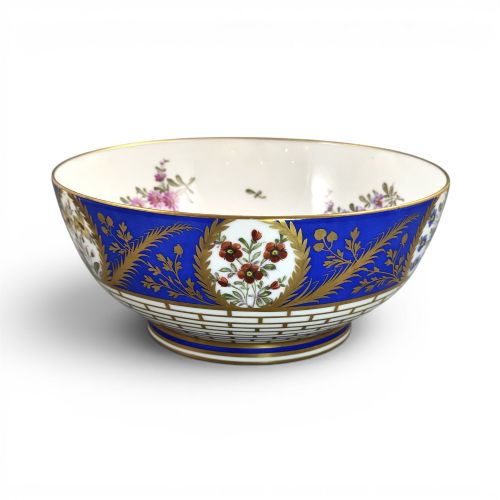
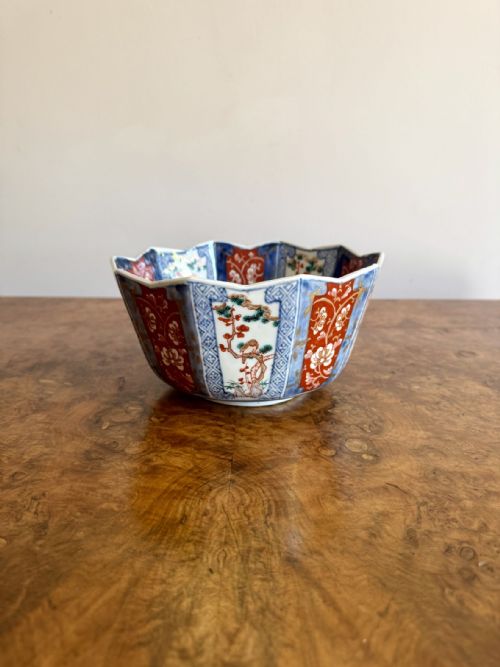
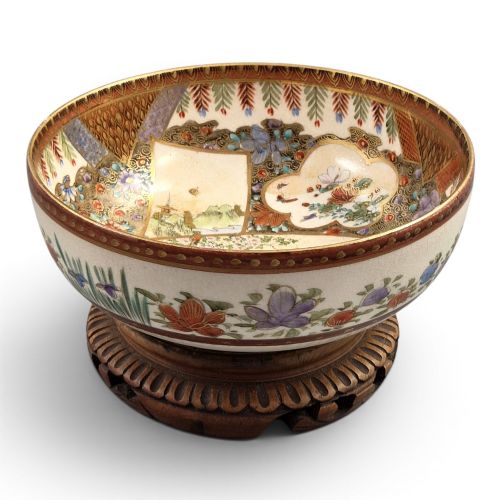

Painted Porcelain Centrepiece Bowl
A painted porcelain centrepiece bowl brings colour and scale to a room, drawing the eye with hand-painted scenes and rich gilding.
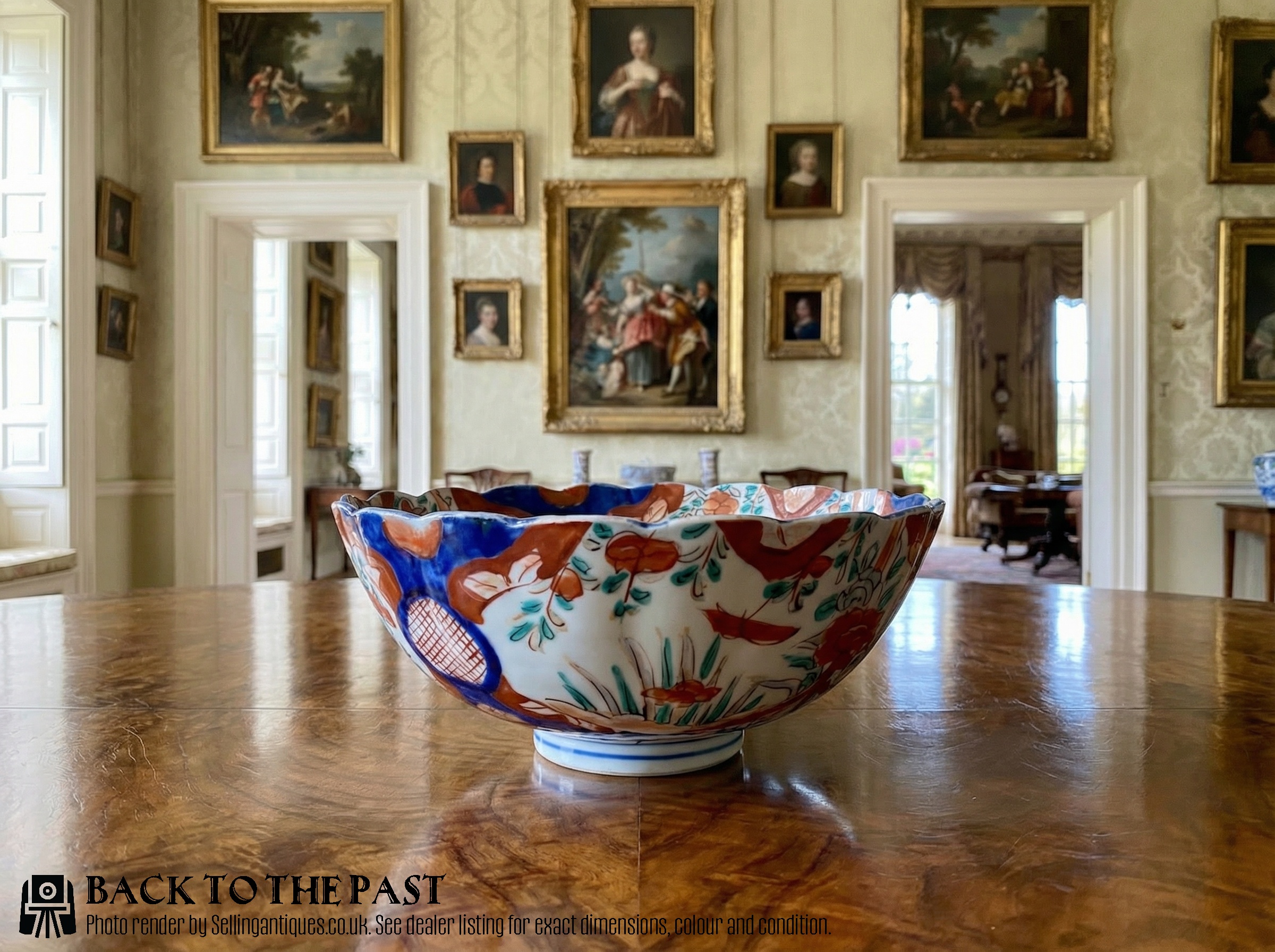
Painted Porcelain Centrepiece Bowl
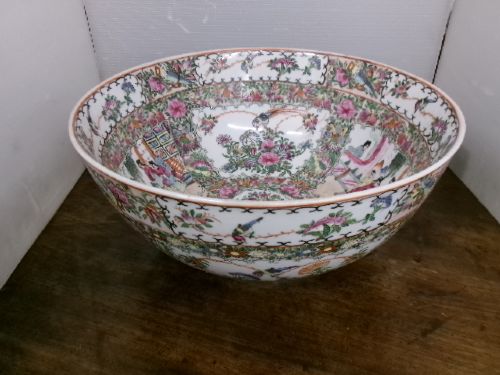
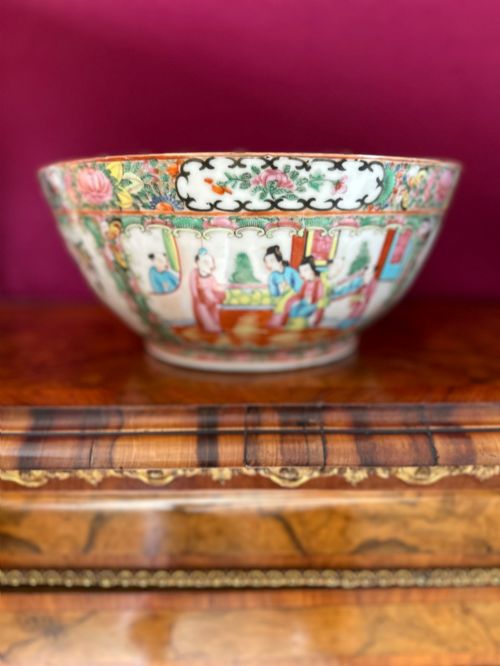
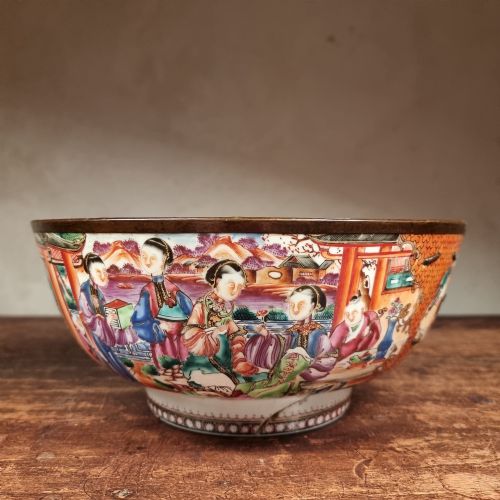
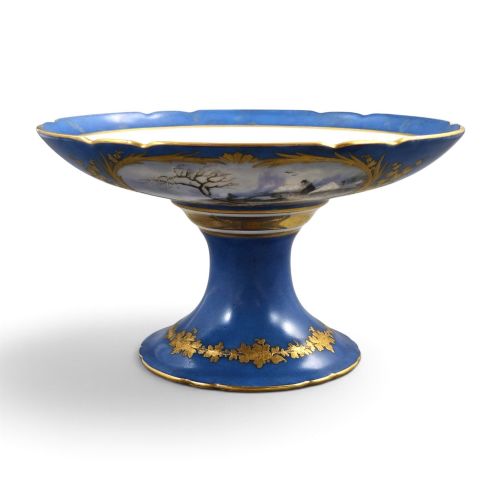
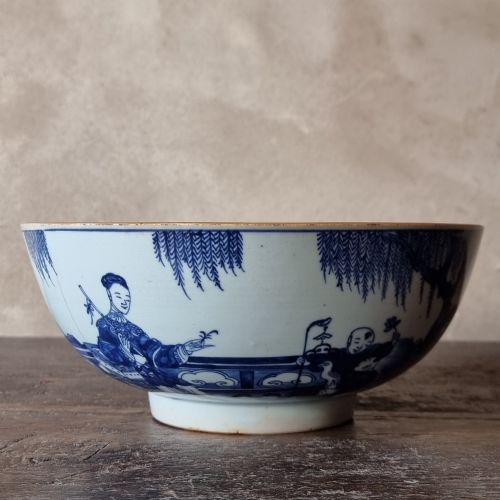
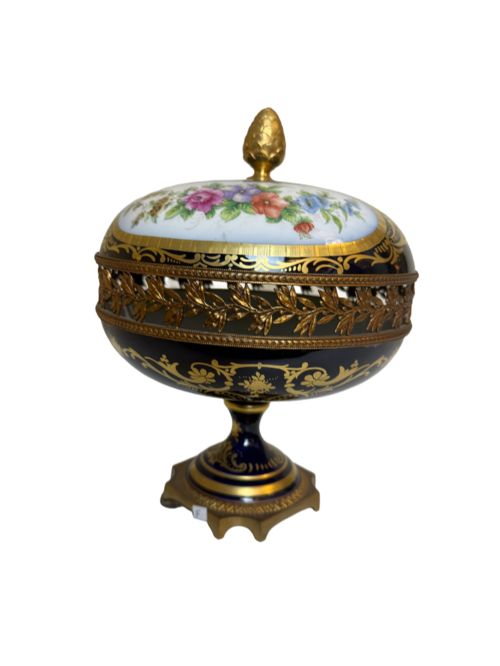
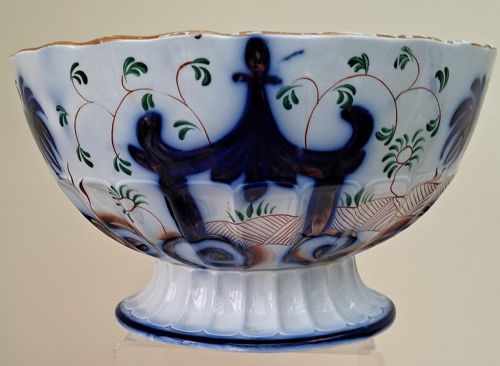
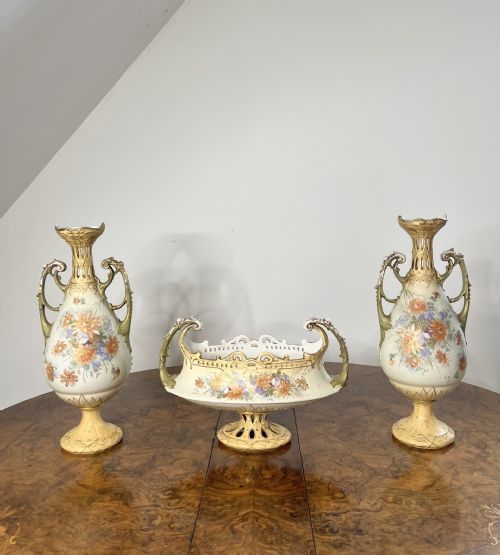
A painted porcelain centrepiece bowl serves as a dramatic table or sideboard ornament, designed to draw attention through sheer scale and decorative detail. When searching for a painted porcelain centrepiece bowl, buyers encounter large punch bowls, footed comports, and pedestal vessels intended originally for display or serving.
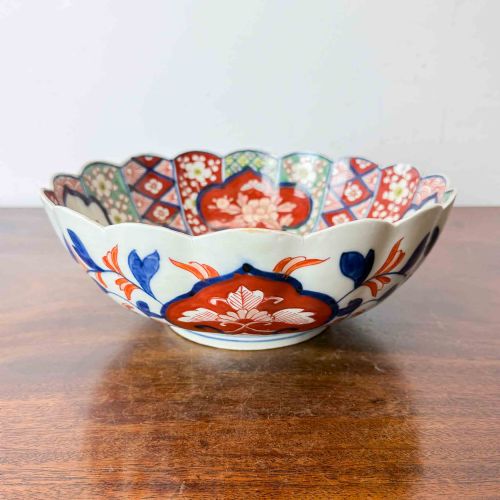
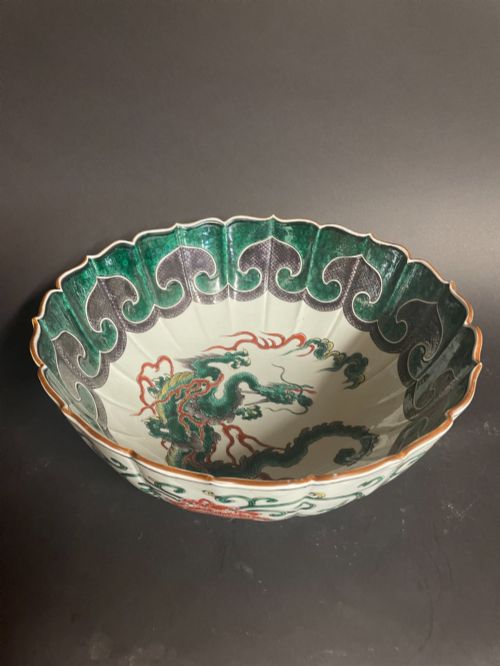
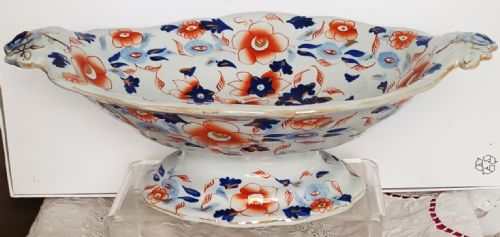
The selection ranges across distinct cultural traditions and eras, featuring Chinese Canton and Japanese Imari wares alongside European manufactories. Pieces date from the eighteenth century through the Edwardian period, uniting utilitarian vessels and decorative showpieces under one umbrella.
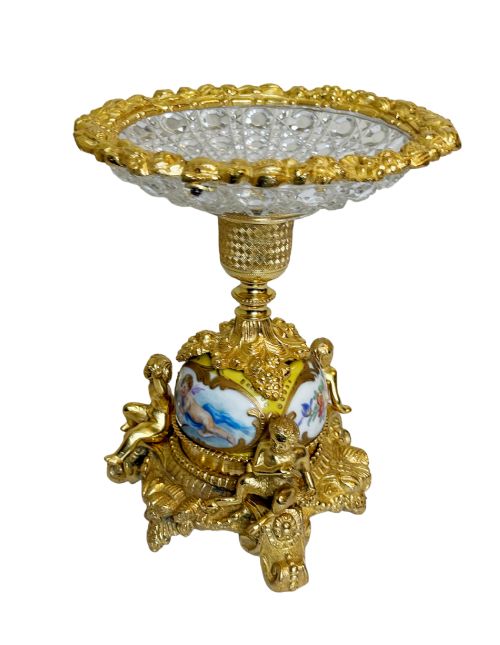
Forms span deep circular punch bowls, scalloped scallop-edge dishes, and mounted pieces incorporating gilt bronze or ormolu mounts. Each object combines functional ceramic roots with elaborate painted surface decoration suited for prominent placement.
Materials and construction
Makers shaped hard-paste and soft-paste ceramic bodies before applying detailed hand-painted designs in enamel, cobalt blue, and polychrome glazes. Skilled artisans built up intricate floral, landscape, and figural motifs directly onto the white ground.
Many European and Asian examples incorporate applied gold leaf, gilding, and gilt bronze or ormolu mounts to elevate the status of the vessel. Metal components provide structural support and decorative contrast to the glossy porcelain surface beneath.
Listings span eighteenth-century Chinese export wares through Edwardian European porcelain and nineteenth-century Japanese Imari productions.
Evaluating the pieces
Quality rests primarily in the precision and hand of the painting, where crisp brushwork and complex figural scenes distinguish superior examples from standard production. The depth of the glaze and the richness of the gilding further separate workshop output.
The integration of metal mounts, such as champlevé enamel or cast ormolu, introduces another tier of craftsmanship where the metalwork matches the ceramic body in execution. Intact original components and signed decorator marks elevate the standing of a piece within its period.
Royal Worcester·Royal Vienna·Sèvres·Kinkozan·Minton
The Painted Porcelain Centrepiece Bowl Glossary
- Imari
- A style of Japanese porcelain featuring a distinct palette of underglaze blue, iron red, and gold. This decorative scheme originated in the Edo period and proved widely popular for export.
- Ormolu
- Gilt bronze mounts applied to furniture and porcelain vessels. This technique adds structural weight and metallic contrast to ceramic centrepieces.
- Famille Rose
- A palette of opaque pink and rose enamels introduced to Chinese porcelain decoration in the eighteenth century. Artisans used these tones to render elaborate floral and figural compositions.
- Comport
- A raised footed bowl or dish used for serving fruit or sweets on a dining table. These pieces often feature pedestal bases and decorative handles.
- Tazza
- A shallow bowl or saucer mounted on a stem and foot, originating in Renaissance Europe. Ceramic examples function primarily as decorative centrepieces.
Painted Porcelain Centrepiece Bowl: Frequently Asked Questions
What is a centrepiece bowl?
A centrepiece bowl is a large decorative vessel designed to sit in the middle of a dining table or sideboard. These pieces anchor a room's decor through their size and painted surface detail.
Historically, larger bowls held fruit, flowers, or punch for guests. Today, they function as standalone decorative focal points in domestic interiors.
How do I date Chinese export bowls?
Dating Chinese export porcelain relies on identifying stylistic shifts in the palette, such as the transition from underglaze cobalt blues to polychrome famille rose enamels. Body weight, glaze texture, and foot-rim formation also provide chronological clues.
Comparing motif execution against documented examples from the eighteenth and nineteenth centuries helps narrow the production window.
Where were Imari bowls made?
Imari bowls were produced in Japan around the port town of Arita during the Edo period. Artisans exported these wares extensively to European markets through Dutch and Chinese traders.
The style is instantly recognisable by its dense panels of iron red, underglaze blue, and supplementary gilding.
How do I care for antique porcelain?
Antique porcelain requires gentle handling and placement away from direct sunlight and heavy foot traffic areas. Dusting with a soft, dry cloth prevents particulate build-up on the glazed surfaces.
Avoid using liquid cleaners or soaking pieces with gilt or enamel decoration, as moisture can lift vulnerable surface pigments.