




Underglaze Blue Arita Plate
An underglaze blue Arita plate brings traditional Japanese kiln craft into a modern interior, offering durable porcelain decorated with enduring blue pigment.
Underglaze Blue Arita Plate
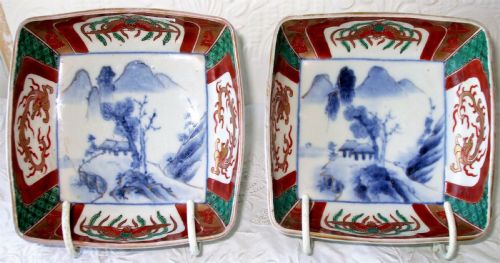
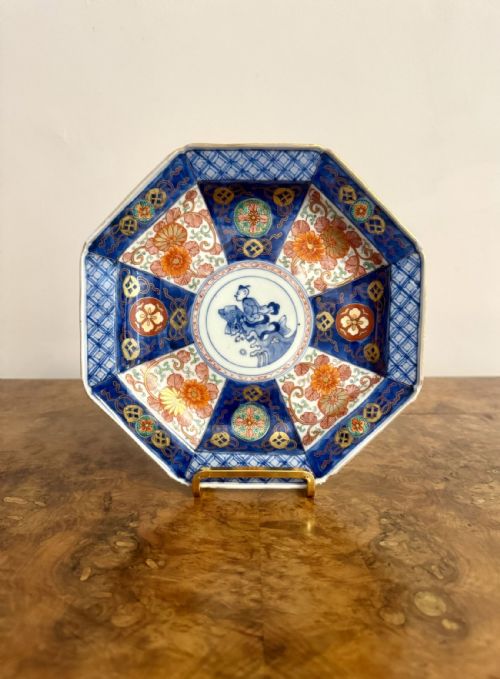
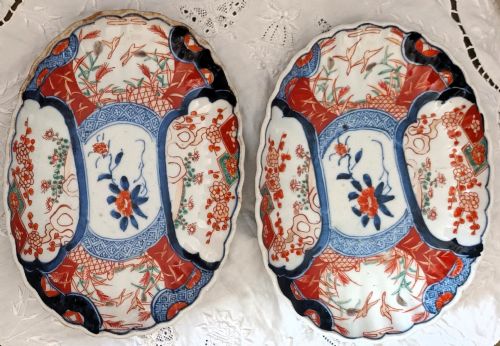
An underglaze blue Arita plate represents centuries of Japanese ceramic tradition, originating from the town of Arita and appearing in forms such as circular plates, chargers, and dishes. These items range from simpler blue and white designs to richly coloured pieces finished with Imari palettes, enamel, and gold leaf.
The selections available span multiple eras, including pieces produced during the Edo period, the Meiji period, and the twentieth century. Buyers encounter single items, matched pairs, and larger collections featuring motifs like koi carp, cranes, and geometric patterns.
Most examples found on this page date to the later nineteenth and early twentieth centuries, retaining traditional shapes such as scalloped edges, hexagonal rims, and deep chargers. These functional items served both decorative display purposes and domestic dining in their original contexts.
Materials and production methods
Potters formed these pieces using fine ceramic and porcelain clays, shaping them manually or on a wheel before applying cobalt underglaze pigments. This cobalt painting occurred directly on the raw clay body prior to the final glaze firing, ensuring the blue decoration fused permanently beneath a glassy protective surface.
Selected items received secondary surface treatments after the initial glaze firing, incorporating enamel and gold leaf accents to build up complex Japanese Imari designs. High-temperature kiln firing bonded these varied layers into durable, vitrified tableware.
Underglaze Blue Arita Plate Retail Price Guide 2026
Typical asking prices for underglaze blue arita plate among the pieces listed under this phrase on Sellingantiques today, from the lower quarter to the upper quarter. They describe what is for sale here now, not the wider market.
Listings span multiple eras from the 17th century through the Edo and Meiji periods up to the 20th century.
Judging the standard of manufacture
The distinction between standard wares and superior pieces lies in the precision of the cobalt painting and the clarity of the underlying porcelain body. Master painters executed intricate motifs with sharp brushwork, while lesser pieces display softer lines and minor pooling of the glaze.
Complexity of form and secondary decoration further differentiate the range, as seen in pieces incorporating moulded scalloped edges, hexagonal contours, or applied gold leaf and enamel overglaze highlights. Well-preserved surfaces with minimal wear to the supplementary colours command stronger attention from collectors.
The Underglaze Blue Arita Plate Glossary
- Arita
- A Japanese town renowned for its centuries-old porcelain industry. Kilns in this region produced vast quantities of ware for domestic use and export.
- Imari
- A style of Japanese porcelain featuring vibrant cobalt blue, iron red, and gold decoration. These wares were exported extensively through the port of Imari.
- Underglaze
- A decoration technique where pigment is applied to the ceramic body before glazing and firing. This method protects the design beneath a glossy vitreous layer.
- Charger
- A large decorative plate or platter. Such items were typically displayed on sideboards or hung on walls rather than used for dining.
- Edo Period
- A historical epoch in Japan lasting from 1603 to 1867. Ceramics from this era are prized for their historical significance and traditional aesthetics.
Underglaze Blue Arita Plate: Frequently Asked Questions
Are these plates suitable for daily use?
While these antique porcelain pieces remain durable, most owners choose to display them rather than use them for regular meals. Older plates often feature delicate glazes and overglaze enamel highlights that can wear down with frequent handling and washing.
Using them occasionally for dry foods is acceptable, but wall mounting or cabinet display preserves their condition best. Modern tableware is better suited for heavy everyday dining.
How can I tell the age of a plate?
Dating relies on examining the characteristics of the porcelain body, the style of the cobalt painting, and any historical motifs present. Pieces from the Edo period often display different potting techniques and footrim characteristics compared to Meiji period or twentieth-century wares.
Certain items may also feature specific kiln marks or trade signatures on the base. Comparing the piece against documented examples from the same era helps confirm its period.
What is the difference between Arita and Imari?
Arita refers to the geographical production centre in Japan where the porcelain clay was mined and fired. Imari is the port town from which these ceramics were shipped to domestic and international markets.
Over time, the name Imari became associated with the distinct blue, red, and gold decorative style produced in the Arita kilns. Therefore, an Imari plate is typically an Arita porcelain plate decorated in that specific palette.