


Japanese Porcelain Cabinet Plates
Japanese porcelain cabinet plates are decorative pieces defined by traditional palettes, bringing historical craft and striking patterns to a display setting.
Japanese Porcelain Cabinet Plates
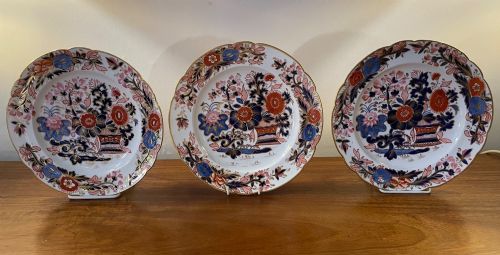
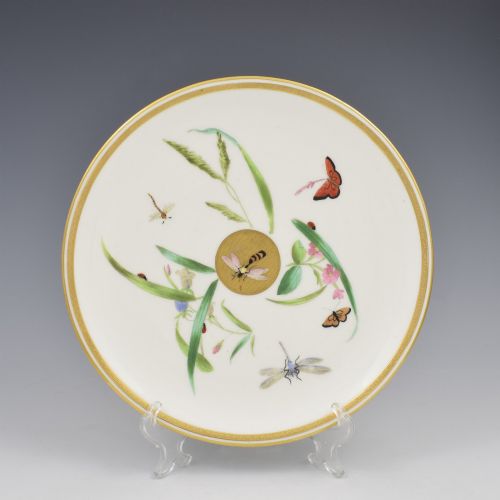
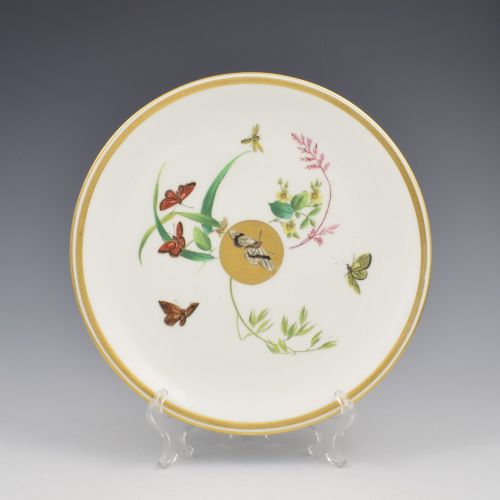
When searching for japanese porcelain cabinet plates, collectors encounter an array of decorative plates, chargers, and dishes originating primarily from the nineteenth century and the Meiji period. These items span traditional Japanese Imari patterns alongside European interpretations influenced by Japanese style, such as those from Minton and Derby.
How they were made
These pieces utilise hard-paste porcelain and ceramic bodies shaped into plates, dishes, and chargers. Artisans applied detailed glaze and enamel work, often incorporating gold leaf, gilt, and gilding to highlight intricate surface patterns.
Firing techniques allowed for vibrant underglaze blue and overglaze iron red accents characteristic of the Imari palette. Skilled painters executed precise floral, insect, and geometric motifs by hand across the ceramic surface.
Listings incorporate items from the nineteenth century, Victorian era, and Meiji period, featuring materials such as porcelain, enamel, and gold leaf.
What varies in quality
The distinction between ordinary and superior pieces rests on the precision of the hand-painted brushwork and the vibrancy of the enamel colours. Finer examples display crisp definition in the gilding and well-balanced compositions that fill the plate surface harmoniously.
Form also plays a role, with uncommon shapes such as shell or hexagonal profiles demanding greater skill from the potter. Consistency in the porcelain body and the richness of the applied gold leaf elevate the visual weight of the best specimens.
Minton·Meissen·Fukagawa
The Japanese Porcelain Cabinet Plates Glossary
- Imari palette
- A traditional decorative scheme utilising rich cobalt blue, iron red, and supplementary gold. This combination originates from Japanese porcelain production and heavily influenced European factories.
- Cabinet plate
- A decorative ceramic plate intended for display in a cabinet or on a wall rather than everyday dining use. These items typically feature superior artistic detail.
- Charger
- A large decorative plate or dish used primarily for display or ceremonial presentation. They provide a broader surface area for complex patterns.
- Kakiemon
- An asymmetric style of Japanese enamel decoration featuring fine pictorial designs of birds, flowers, and figures. European makers frequently copied these patterns.
- Meiji Period
- A historical Japanese era spanning from eighteen sixty-eight to nineteen twelve, noted for significant production of porcelain and decorative arts for export.
Japanese Porcelain Cabinet Plates: Frequently Asked Questions
Are these plates meant for dining?
Cabinet plates and chargers are generally created for visual display rather than daily table service. Their delicate enamels and gilding are preserved best by keeping them on stands or walls.
Using them for food risks wearing down the historical surface decoration over time.
How do I display a charger?
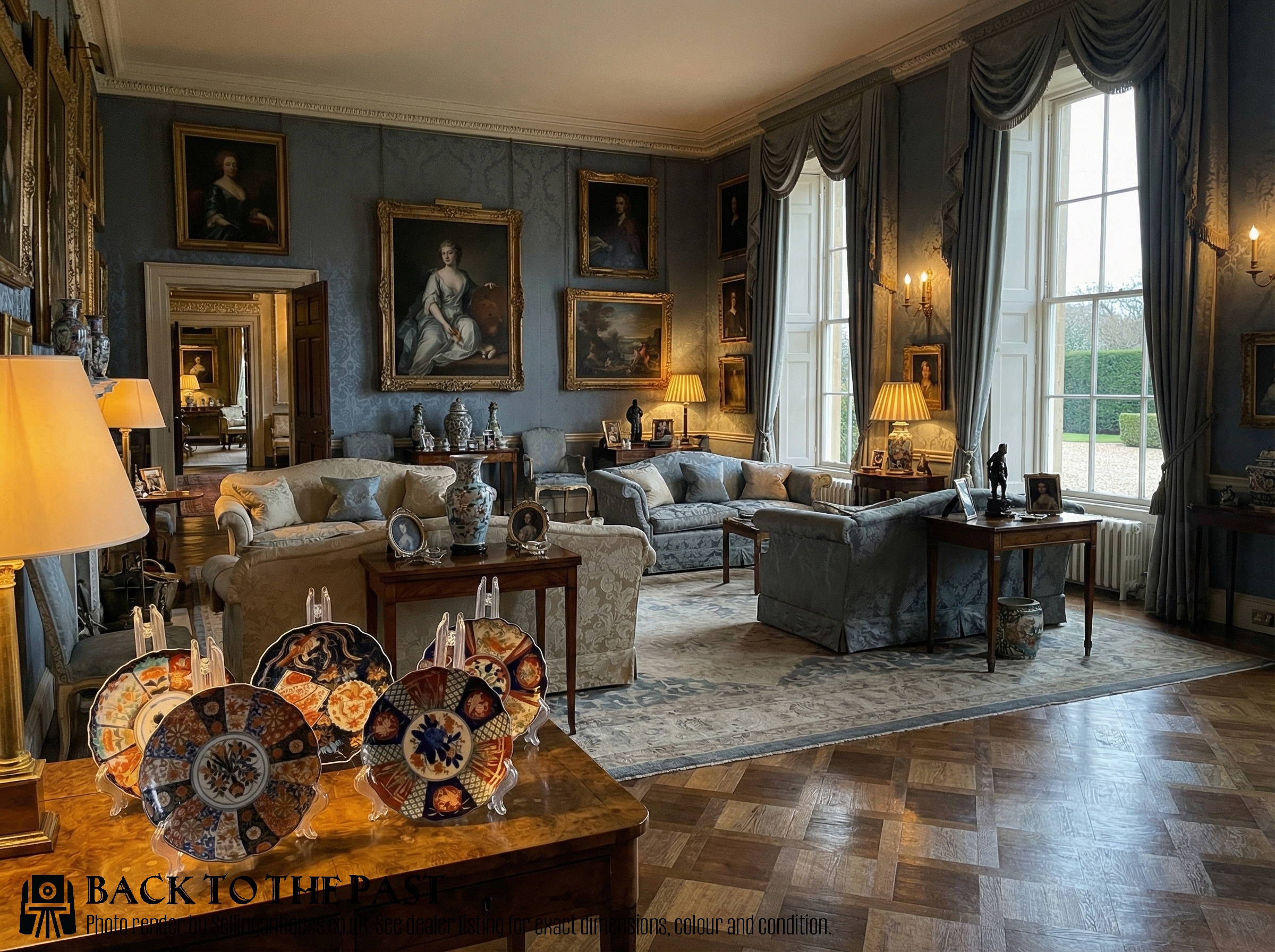
Larger chargers work well mounted securely on walls using appropriate plate hangers designed for heavy ceramics. Alternatively, sturdy display stands allow them to sit safely inside a cabinet or on a sideboard.
Ensure the support matches the weight of the porcelain piece.
What is the Imari palette?
The Imari palette relies on a distinctive combination of deep underglaze blue and vibrant iron red, frequently accented with gold leaf. This striking contrast creates the rich appearance typical of traditional Japanese export porcelain.
European potteries adopted this exact colour scheme during the eighteenth and nineteenth centuries.
How do I identify the period?
Dating relies on examining the characteristics of the porcelain paste, the style of the enamel painting, and any associated maker marks. Nineteenth-century and Meiji period pieces often display specific decorative conventions distinct from later items.
Comparing the border patterns and potting techniques helps narrow down the era of manufacture.