







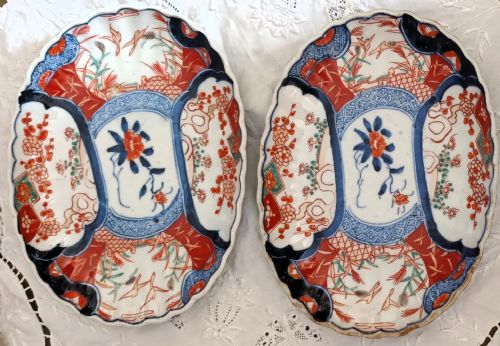
Japanese Oriental Wall Plate
When you search for a japanese oriental wall plate, you are looking at decorative porcelain and metal dishes made for display.
Japanese Oriental Wall Plate
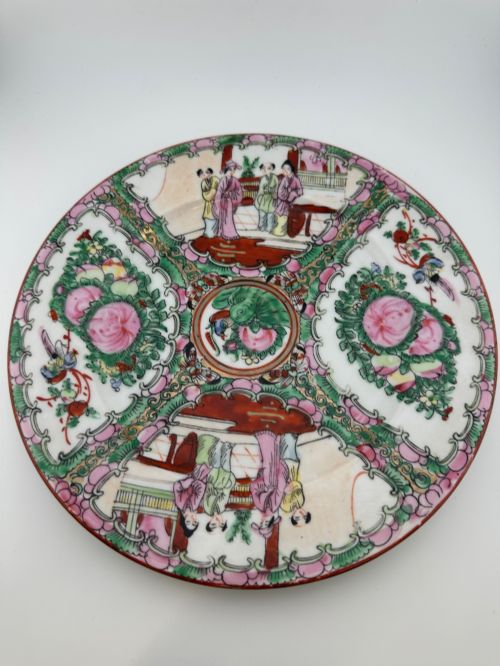
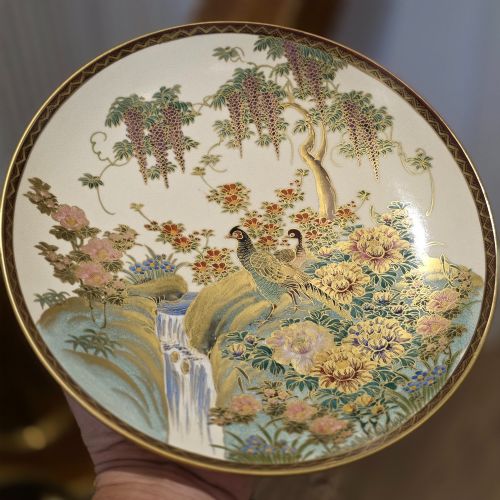
A japanese oriental wall plate encompasses decorative dishes, chargers, and plaques originating from the nineteenth and early twentieth centuries. The selection draws heavily from the Meiji and Taisho periods, alongside periods such as the Edo and Qing dynasties.
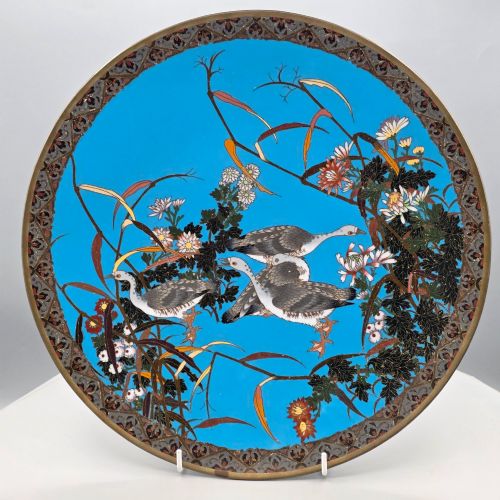
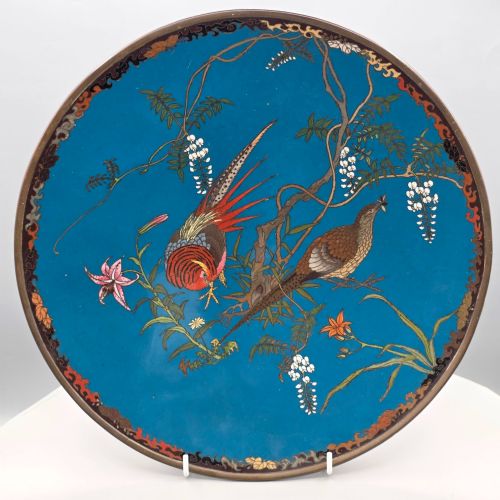
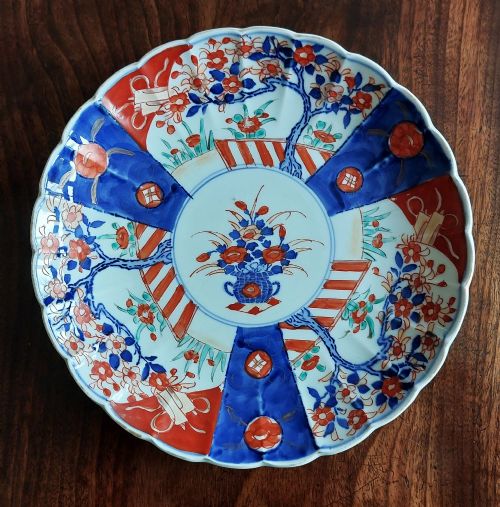
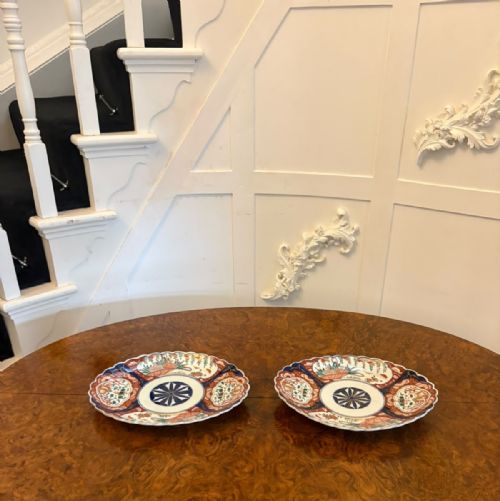
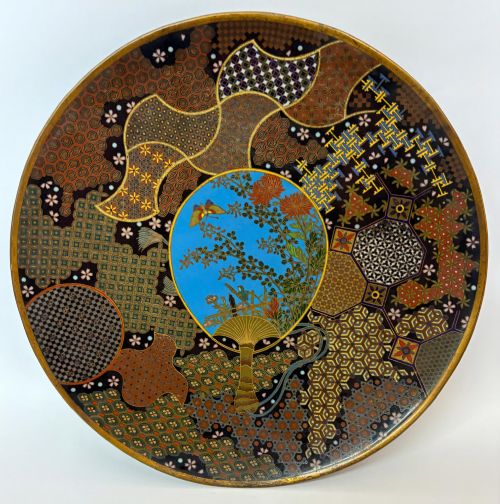
Buyers frequently encounter large Imari porcelain chargers and detailed cloisonne enamel plates on this page. These pieces range from square dishes and oval platters to large round display chargers.
The forms serve primarily as decorative items, often featuring scalloped edges or flat surfaces designed to showcase intricate motifs. Birds, flowers, landscapes, and mythical creatures populate the surface designs across the various styles.
Materials and Techniques
Porcelain serves as a primary base for Imari, Arita, Satsuma, and Kutani wares, often finished with glaze and blue and white or polychrome decoration. Copper and brass provide the foundation for cloisonne enamel works, where metal wires outline the design cells.
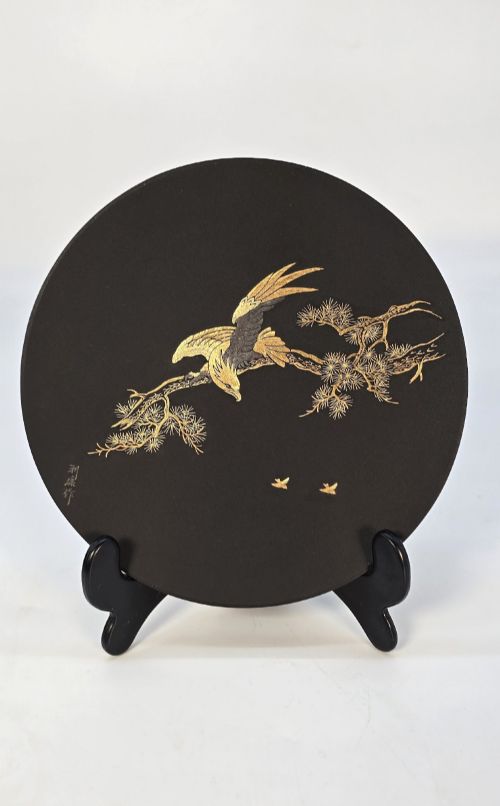
Enamel fills these wire cells before firing and polishing to create smooth decorative surfaces on metal plaques and chargers. Iron pieces also appear, sometimes enhanced with gold leaf, gilt, and silver inlay work.
Listings feature items from the nineteenth century, including the Meiji period, up to the Taisho period in nineteen twenty.
Assessing Quality and Execution
Quality separates through the precision of the handwork, particularly in the density of cloisonne wiring or the crispness of the painted porcelain motifs. Masterpieces display careful pictorial balance and fine detail in subjects such as feathers, foliage, and landscapes.
The handling of materials dictates the standing of a piece, from the depth of the glaze on porcelain to the smoothness of polished enamel on copper chargers. Signed works and items attributed to specific makers like Koshida represent higher levels of artisan output.
Koshida·Nagoya
The Japanese Oriental Wall Plate Glossary
- Imari
- A style of Japanese porcelain decorated in underglaze blue and overglaze iron red, gold, and other colours. It originated in Arita and became popular for export.
- Cloisonne
- A technique where metal wires are soldered to a metal base to form compartments that are filled with enamel paste and fired. This method creates intricate patterns of coloured cells.
- Charger
- A large decorative plate intended for display on a wall or sideboard rather than for dining use. These pieces often measure over thirty centimetres across.
- Satsuma
- A type of earthenware with a ivory-coloured, crackle-glaze surface decorated with polychrome enamels and gold. It gained prominence during the Meiji period.
- Moriage
- A decorative ceramic technique using raised slip to create textured relief patterns on the surface of pottery. It frequently appears on Satsuma wares.
Japanese Oriental Wall Plate: Frequently Asked Questions
How do I hang a heavy charger on the wall?
Large decorative chargers require specialist wall brackets or spring-loaded plate hangers designed to support substantial weight safely. Ensure the fixing secures directly to wall studs or utilises appropriate wall anchors.
Verify that the wire or metal fingers of the hanger grip the rim securely without applying undue pressure to the porcelain or enamel body.
What is the difference between Imari and Kutani wares?
Imari porcelain typically relies on a distinct palette of underglaze blue, iron red, and gilt, featuring intricate patterns derived from textile designs and nature. The style developed in the Arita area during the Edo period.
Kutani ware generally exhibits bolder pictorial compositions with heavy use of green, yellow, purple, and red enamels, focusing more on scenic views and figurative subjects.
How should I clean antique cloisonne and porcelain?
Dust enamel and porcelain pieces regularly with a soft, dry cloth to prevent particulate buildup on the surface. Avoid using abrasive cleaning agents, harsh chemicals, or soaking the items in water.
Metal elements on cloisonne can be wiped gently with a microfibre cloth, while porcelain benefits from occasional cleaning with lukewarm water and mild soap if needed, followed by thorough drying.
How can I tell the Meiji period pieces apart?
Meiji period items, spanning from eighteen sixty-eight to nineteen twelve, often reflect increased international trade through more elaborate pictorial detail and technical refinement. Cloisonne works from this era showcase exceptionally fine wirework and complex imagery.
Earlier nineteenth-century pieces may display heavier forms and simpler palettes, while later Taisho items show transitional artistic influences.