



Japanese Metalwork Figurine
A Japanese metalwork figurine brings the celebrated metallurgical mastery of the Meiji era into a room through finely cast bronze and mixed metals.
Japanese Metalwork Figurine
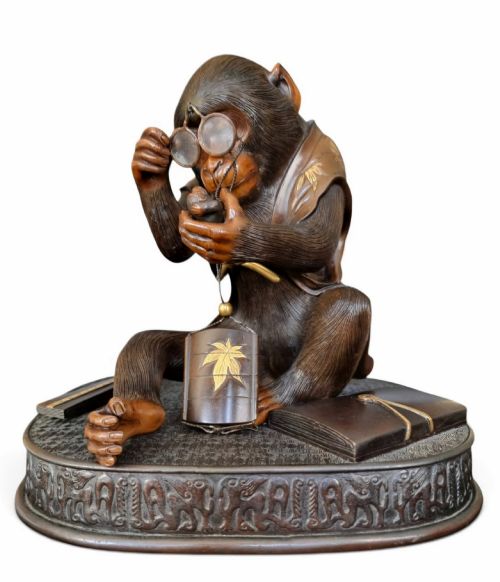
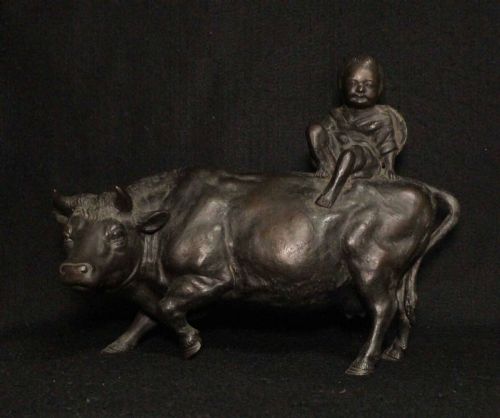
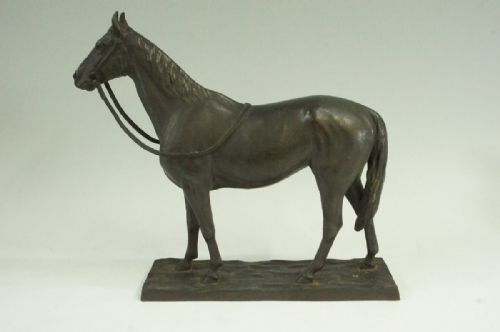
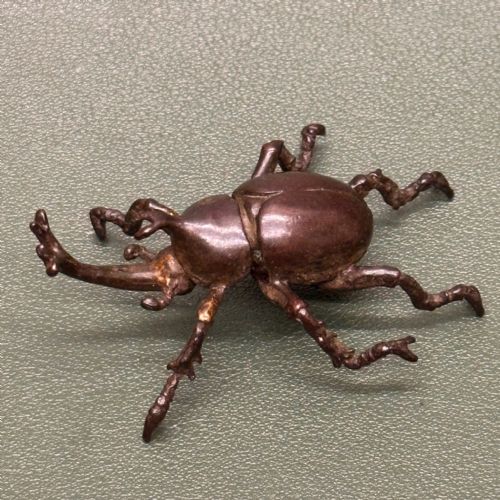
The versions most commonly met on this page belong to the Meiji period, spanning the late nineteenth and early twentieth centuries. Subjects range from naturalistic representations of elephants, horses, monkeys, and beetles to human figures such as geisha girls and Oni demons.
How they were made
The foundational material across these listings is bronze, often patinated to achieve dark, rich surface tones or combined with other metals. Makers utilised techniques involving mixed metals, gold inlay, and silvered bronze to create contrast and highlight surface details.
Support elements sometimes incorporate contrasting materials like bone and marble to mount or complement the metal body. Surfaces frequently show careful chasing and finishing to render textures such as fur, hide, and shell with convincing fidelity.
Rhinoceros beetles and French bulldogs share shelf space with legendary demons, proving Meiji artisans held a wonderfully eccentric view of nature.
What varies in quality
Quality separates ordinary production from exceptional artistry through the precision of the casting and the liveliness of the subject. Masterworks demonstrate anatomical conviction and fine surface detailing that capture the character of the animal or figure.
The refinement of the patination and the subtlety of mixed-metal or gold inlay distinguish superior examples. Pieces bearing signatures from recognised masters show heightened attention to proportion and finish.
Kunio Itô·Unno Shomin
The Japanese Metalwork Figurine Glossary
- Meiji Period
- The era in Japanese history lasting from 1868 to 1912, characterised by extensive modernisation and the flourishing of decorative arts for export. Works from this period show exceptional technical skill in metalcasting.
- Okimono
- A Japanese term for a freestanding decorative object or ornament intended for display in an alcove or on a cabinet. These sculptures often depict animals, folklore figures, and daily scenes.
- Patinated Bronze
- Bronze treated with chemicals, heat, or acids to produce a specific surface colour and finish. This process protects the metal while enhancing visual depth.
- Mixed Metals
- The practice of combining different metallic alloys, such as copper, bronze, and silver, within a single composition to create contrasting tones and decorative effects.
Japanese Metalwork Figurine: Frequently Asked Questions
What is an okimono?
An okimono is a traditional Japanese display piece designed for interior decoration rather than religious ritual. These sculptures range from miniature studies of insects to substantial figures of animals.
They were produced extensively during the Meiji period to showcase the extraordinary dexterity of metalworkers and carvers to collectors worldwide.
How do I identify a Meiji period piece?
Meiji period pieces are generally identified by their dynamic naturalism, dark patinated bronze surfaces, and refined casting techniques. The subject matter often focuses on realistic depictions of fauna and folklore.
Many of these sculptures bear signatures or seals cast directly into the metal, indicating the workshop or artist responsible for the creation.
What materials are used in these sculptures?
Bronze serves as the primary structural material for the majority of these sculptures. Artisans frequently applied patination techniques to alter the natural colour of the metal.
Some pieces incorporate mixed metals, gold inlay, silvering, and occasionally supporting elements of bone or marble to enhance the visual composition.
How should I display a bronze figurine?
Bronze figurines suit stable flat surfaces where their fine details and patination can be appreciated from multiple angles. Direct handling is best kept minimal to preserve the historic surface finishes.
Keeping them away from excessive moisture helps maintain the stable patinated surfaces achieved by the original makers.