


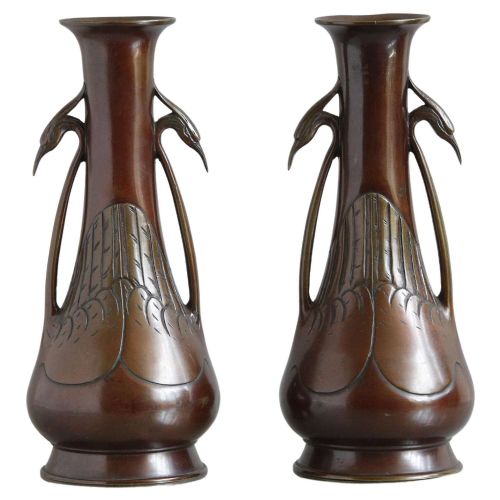
Japanese Metal Urn
These Japanese metal urn pieces bring centuries of sculptural form, patinated bronze, and intricate cloisonné enamel into the room.
Japanese Metal Urn
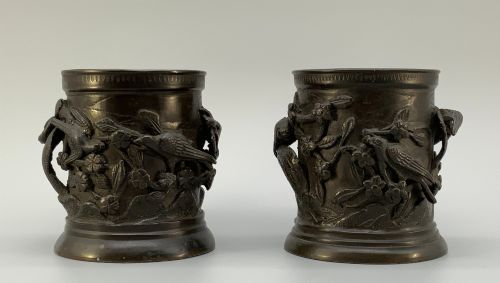
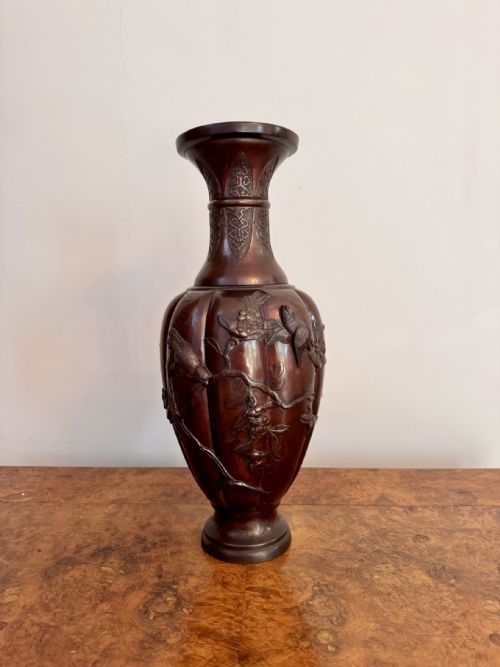
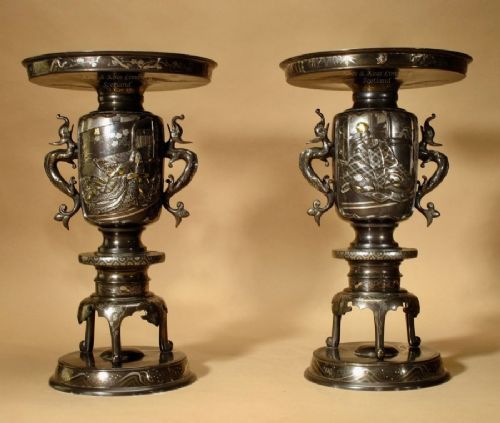
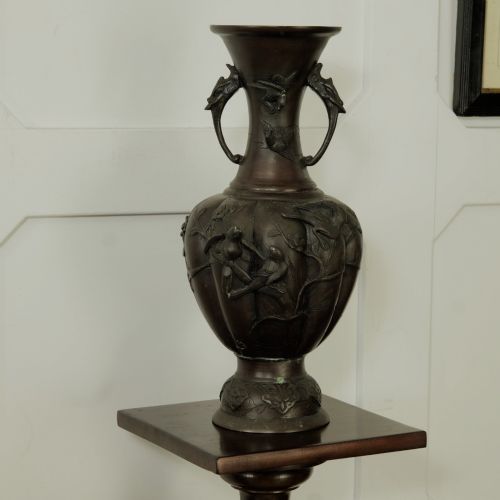
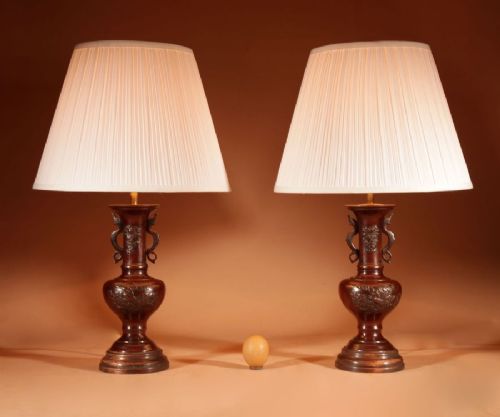
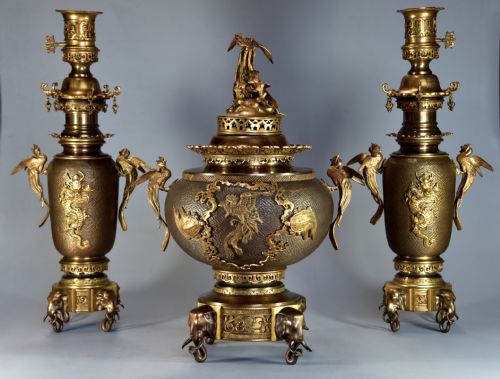
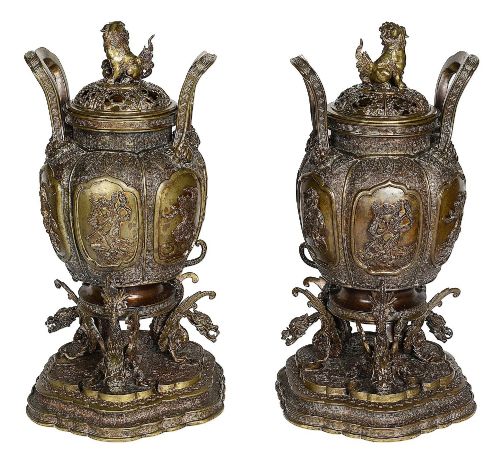
A Japanese metal urn or vase on this page typically dates from the nineteenth century or the Meiji period, reflecting the decorative arts exported during that era. These objects take the form of lidded vessels, temple garden containers, baluster urns, and incense burners created in bronze, copper, and enamel.
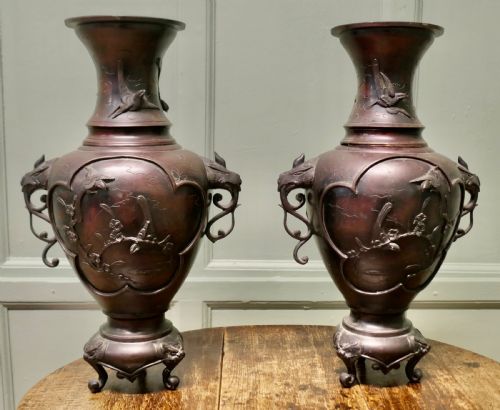
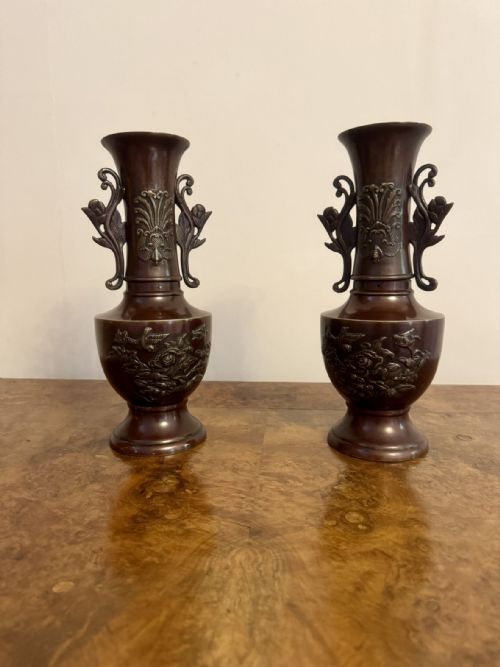
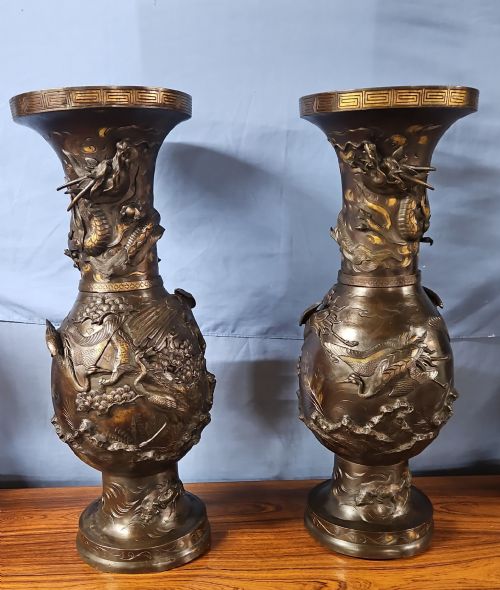
Vessels range from miniature cabinet pieces to monumental garden temple vases and palace jars standing nearly a metre tall. Pairs of matching vases and garniture sets appear frequently, alongside single decorative vessels and lidded ginger jars.
The aesthetic bridges traditional Japanese casting techniques and the Victorian appetite for exotic Far Eastern ornamentation. Many pieces integrate handles shaped as birds, dragons, or egrets, while others display classical archaistic shapes.
Materials and construction
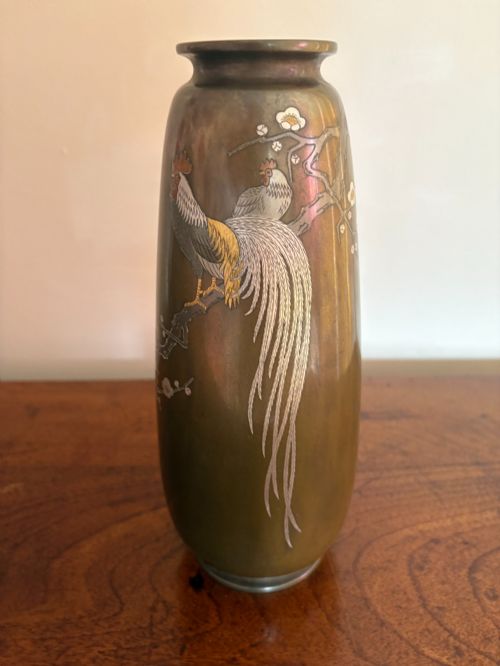
Makers utilised bronze, brass, and copper as the primary metallic foundations, often applying chemical patination to achieve deep brown, black, or greenish tones. Mixed metal work incorporates contrasting silver and gold elements to highlight birds, blossoms, and figures against the dark metallic ground.
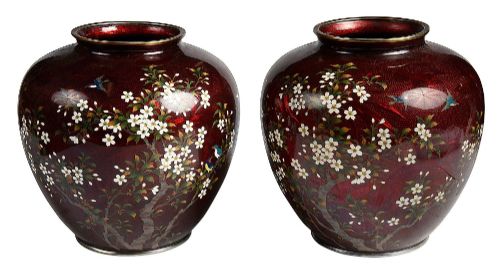
Enamel techniques such as cloisonné and champlevé appear across the inventory, fusing coloured glass pastes within wire enclosures or carved troughs on the metal body. Totai shippo examples introduce textured effects resembling tree bark beneath the translucent enamel surface.
Materials recorded across the inventory include patinated bronze, champlevé enamel, silver, gold, and gilt bronze.
Craftsmanship and detail
The distinction between standard production and top-tier execution lies in the depth and precision of the surface decoration. Masterpieces display finely chiselled mixed metal inlay, crisp underglaze wirework in cloisonné, and securely integrated sculptural handles rather than simpler cast ornament.
Proportion and scale dictate the visual impact of larger temple urns and palace vases, where balance across a towering silhouette requires advanced foundry skill. Signed pieces from established schools and workshops demonstrate superior control over patination and metal composition.
KANASAWA
The Japanese Metal Urn Glossary
- Meiji Period
- The era in Japanese history spanning from 1868 to 1912, corresponding to the reign of Emperor Meiji and a surge in decorative metalwork exports. Most antique bronze urns and vases originate from this active artistic period.
- Cloisonne
- A technique where thin metal wires form compartments on a vessel body, which are filled with enamel paste and fired. This method creates colourful geometric or pictorial motifs of birds and flowers.
- Koro
- A traditional Japanese incense burner, often fitted with a pierced lid to release smoke. These lidded vessels frequently feature animal finials such as goats or mythical beasts.
- Usubata
- A distinct form of bronze vessel featuring a wide, flat rim atop a columnar base, traditionally used for arranging flowers. Garden versions serve as substantial decorative urns.
- Mixed Metal
- An intricate method combining bronze, copper, silver, and gold to create polychrome pictorial scenes directly on the metallic surface. This technique produces raised depictions of flora and fauna.
Japanese Metal Urn: Frequently Asked Questions
What is a Japanese bronze koro?
A koro is a traditional Japanese incense burner designed with a removable pierced lid that allows scented smoke to escape gracefully.
These lidded vessels often feature sculptural animal finials on top and rest upon decorative feet, serving both ceremonial and ornamental purposes.
How do I identify a Meiji period bronze?
Meiji period bronzes, produced between 1868 and 1912, typically exhibit sophisticated patination, high-relief naturalistic detailing, and occasionally maker signatures.
Subjects frequently include birds, blossoming branches, dragons, and intricate mixed metal inlay work that reflects the opening of Japanese trade to Western markets.
What is cloisonne enamel on metal?
Cloisonne is an enamelling method where thin metallic wires are soldered onto a bronze or copper base to create compartmentalised designs.
Coloured glass paste fills these tiny cells before the entire vessel undergoes high-temperature firing and polishing to achieve a smooth, decorative surface.