

Japanese Imari Ware Dish
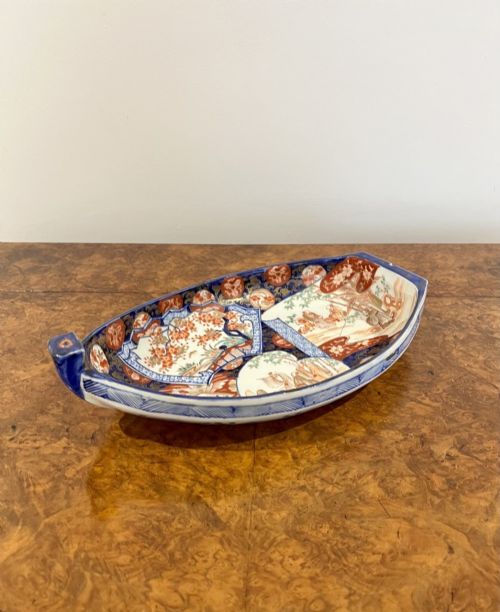
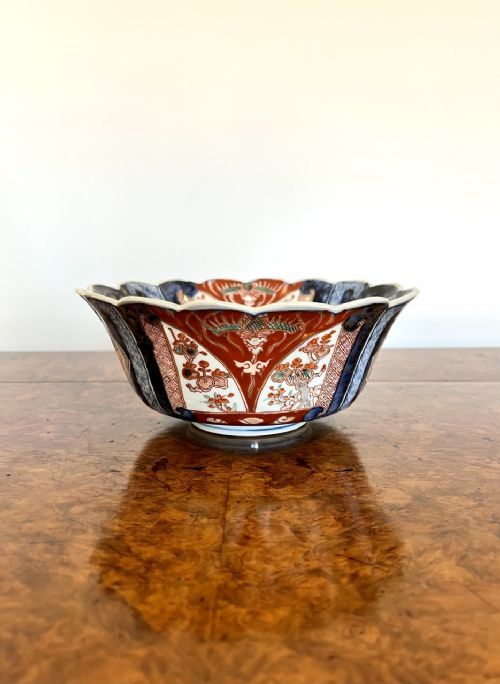
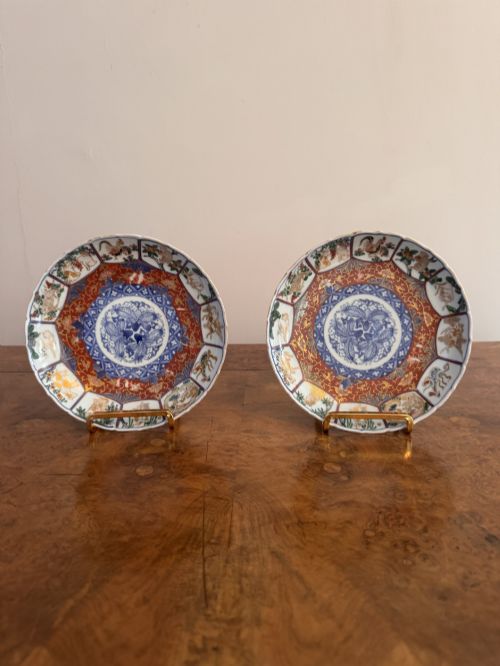
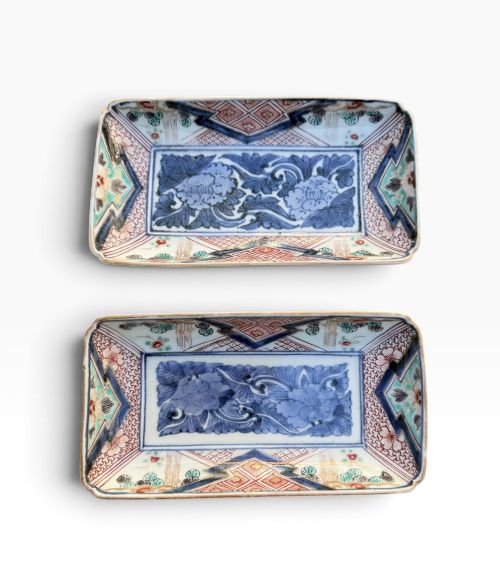
These Japanese imari ware dish selections bring rich blue and red porcelain into a room, offering the bold colour and patterns collectors seek.
Japanese Imari Ware Dish
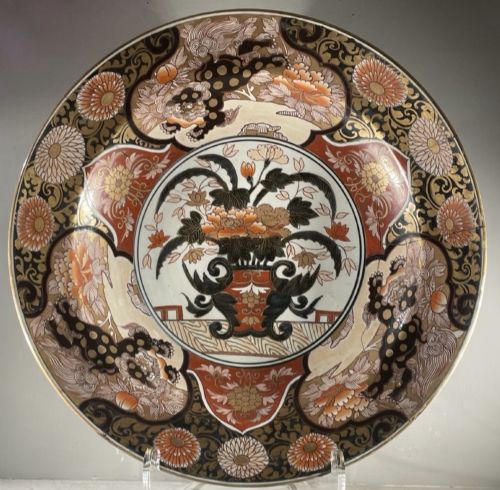
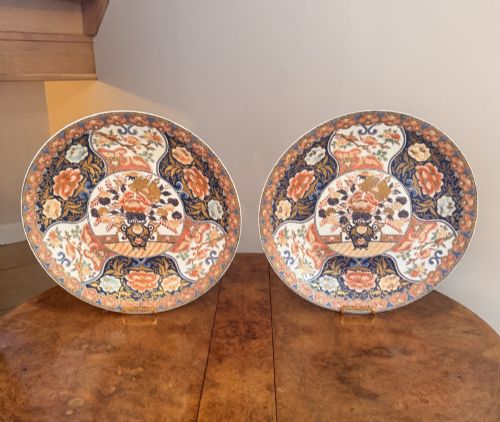
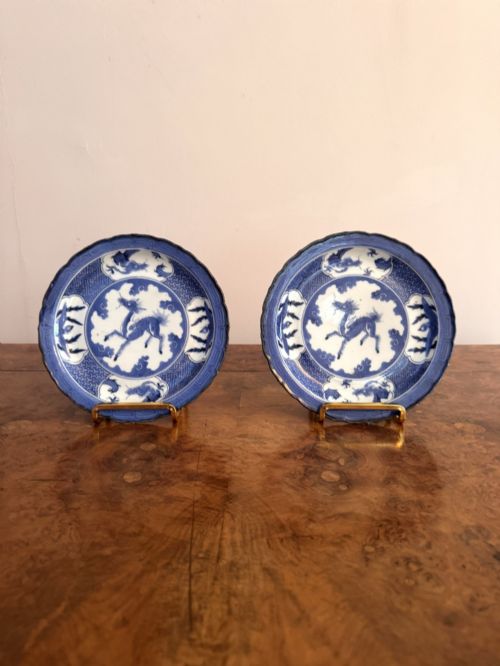
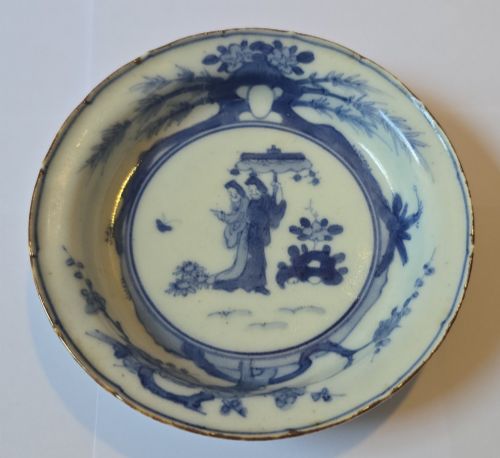
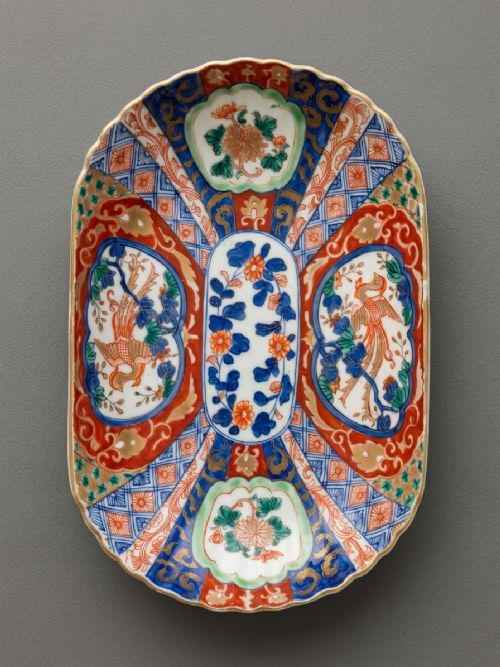
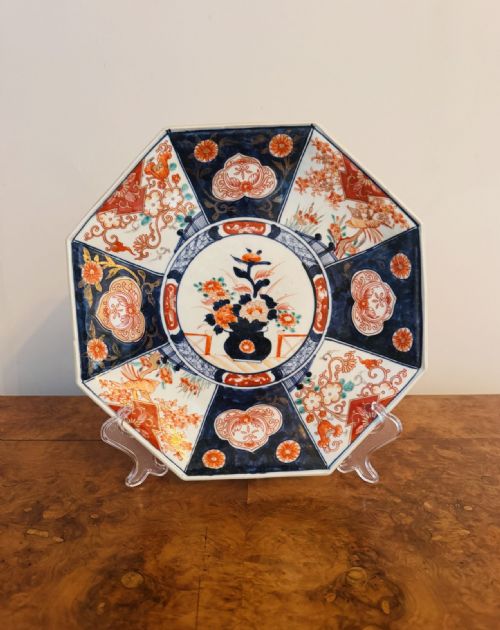
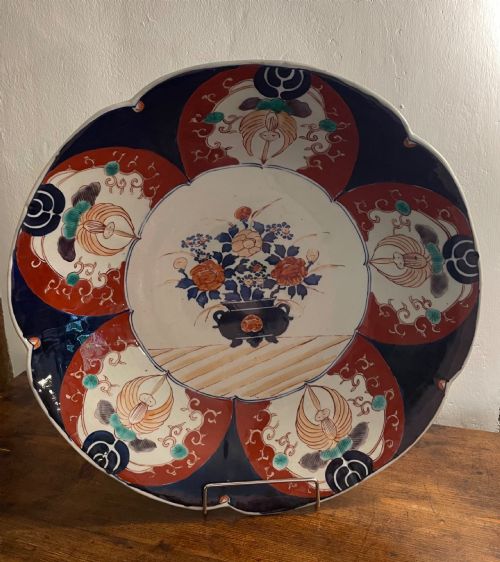
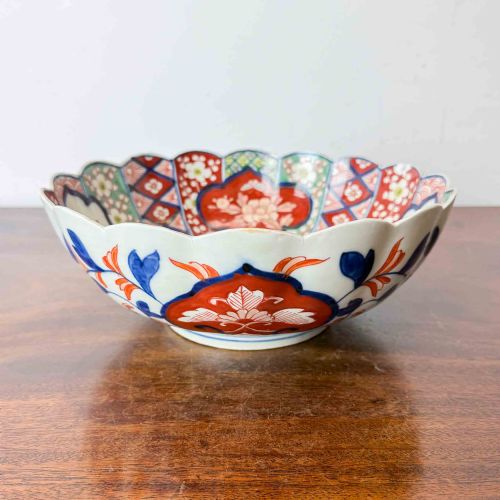
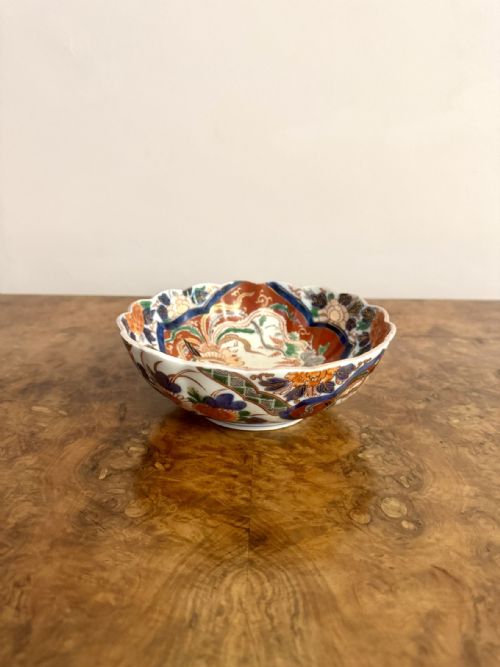
When you search for a japanese imari ware dish, you are looking at hand-painted porcelain objects designed for decorative display. The pieces on this page span from the seventeenth century through the Meiji period and into the early twentieth century.
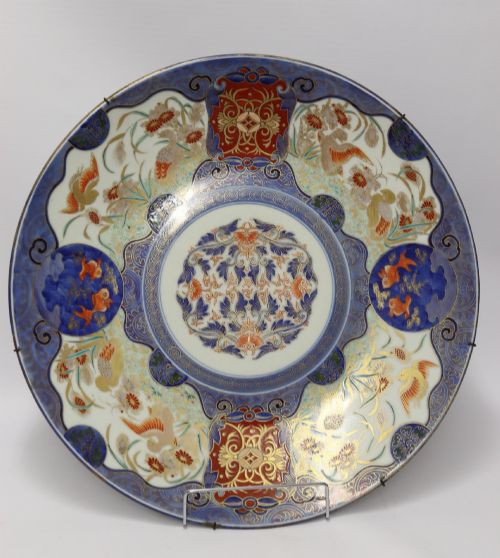
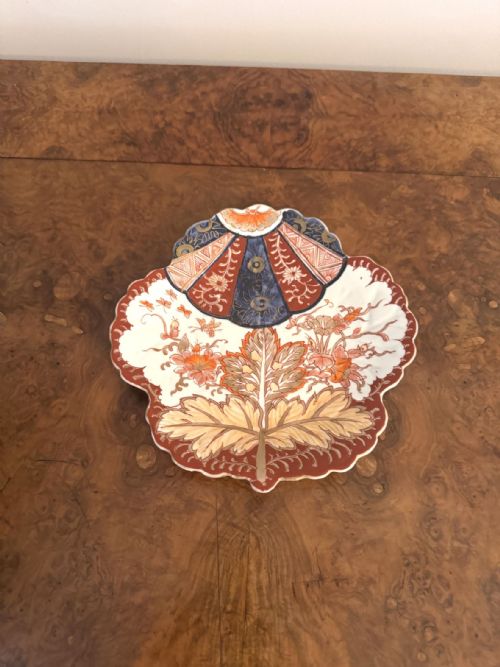
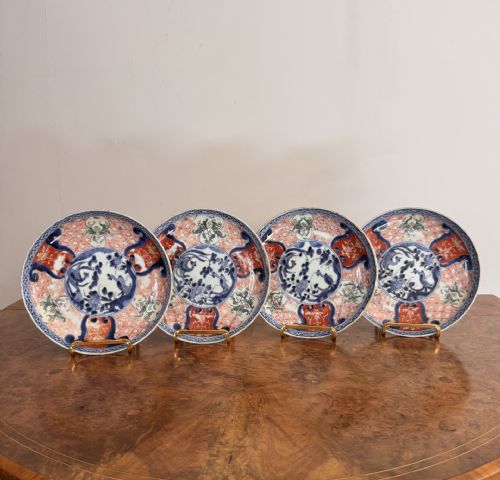
The most common forms you will meet are round plates, large chargers, and bowls featuring scalloped, square, hexagonal, fan, or shell shapes. These items originate from Japanese kilns, showcasing traditional motifs such as floral and bird designs.
How japanese imari ware dish pieces were crafted
Potters shaped fine porcelain clay into various geometric and organic forms before applying cobalt glaze beneath a clear coat. Artisans then added details using enamel glaze, gold leaf, and gilt highlights.
The combination of underglaze blue and overglaze iron red, supported by enamel and gilding, created the distinctive palette characteristic of these ceramics.
Japanese Imari Ware Dish Retail Price Guide 2026
Typical asking prices for japanese imari ware dish among the pieces listed under this phrase on Sellingantiques today, from the lower quarter to the upper quarter. They describe what is for sale here now, not the wider market.
If you cannot decide between symmetry and whimsy, a clam shell dish offers porcelain shaped directly by nature's geometry.
What separates the best japanese imari ware dish examples
The distinction between standard items and exceptional examples lies in the precision of the hand-painted brushwork and the complexity of the design layout. Finer pieces demonstrate superior control over the cobalt blue tones and the application of gold leaf.
Unusual shapes, such as fan, shell, or square profiles, alongside robust chargers with intricate floral and bird patterns, generally represent higher tiers of craftsmanship.
The Japanese Imari Ware Dish Glossary
- Imari
- A style of Japanese porcelain decorated in underglaze blue, iron red, and gold. This aesthetic originated in Arita and gained popularity in the West for its vibrant palette.
- Charger
- A large decorative plate intended for display rather than dining. These substantial pieces provide a wider canvas for complex pictorial designs.
- Meiji Period
- The era in Japanese history spanning from 1868 to 1912. Many decorative items on the market originate from this time of prolific artistic production.
- Edo Period
- The period lasting from 1603 to 1867 in Japan. Early porcelain from this timeframe holds significant historical interest for collectors.
- Cobalt Glaze
- A blue mineral pigment applied under the glaze before firing. It withstands high temperatures and creates the deep blue foundation of the ware.
Japanese Imari Ware Dish: Frequently Asked Questions
What is a japanese imari ware dish?
A japanese imari ware dish is a decorative porcelain item characterised by hand-painted underglaze blue, iron red enamel, and gilt highlights. These pieces were produced in Japan for both domestic use and export.
They range from everyday plates to large display chargers and bowls in various geometric and organic shapes.
How do I display a japanese imari ware dish?
These pieces suit wall mounting or placement on plate stands due to their striking visual impact and vibrant palette. Collectors often group plates and bowls together on shelves or cabinets.
Ensure sturdy support, particularly for large chargers or heavy porcelain bowls.
How do I tell Meiji period pieces apart?
Meiji period items often exhibit fine brushwork, dense floral and bird patterns, and extensive use of gilt or enamel glaze. They typically date from the late nineteenth to early twentieth century.
Earlier pieces from the Edo period or eighteenth century tend to feature different potting techniques and sparser, more traditional compositions.
Are these dishes meant for food?
While originally functional, antique examples function primarily as decorative art objects today. The delicate overglaze enamels and gold leaf can wear down with frequent use and washing.
Displaying them safely preserves the hand-painted surfaces and historical integrity.