




Japanese Imari Platter
A japanese imari platter brings together robust porcelain forms and the rich pigments of the Meiji and Edo periods.
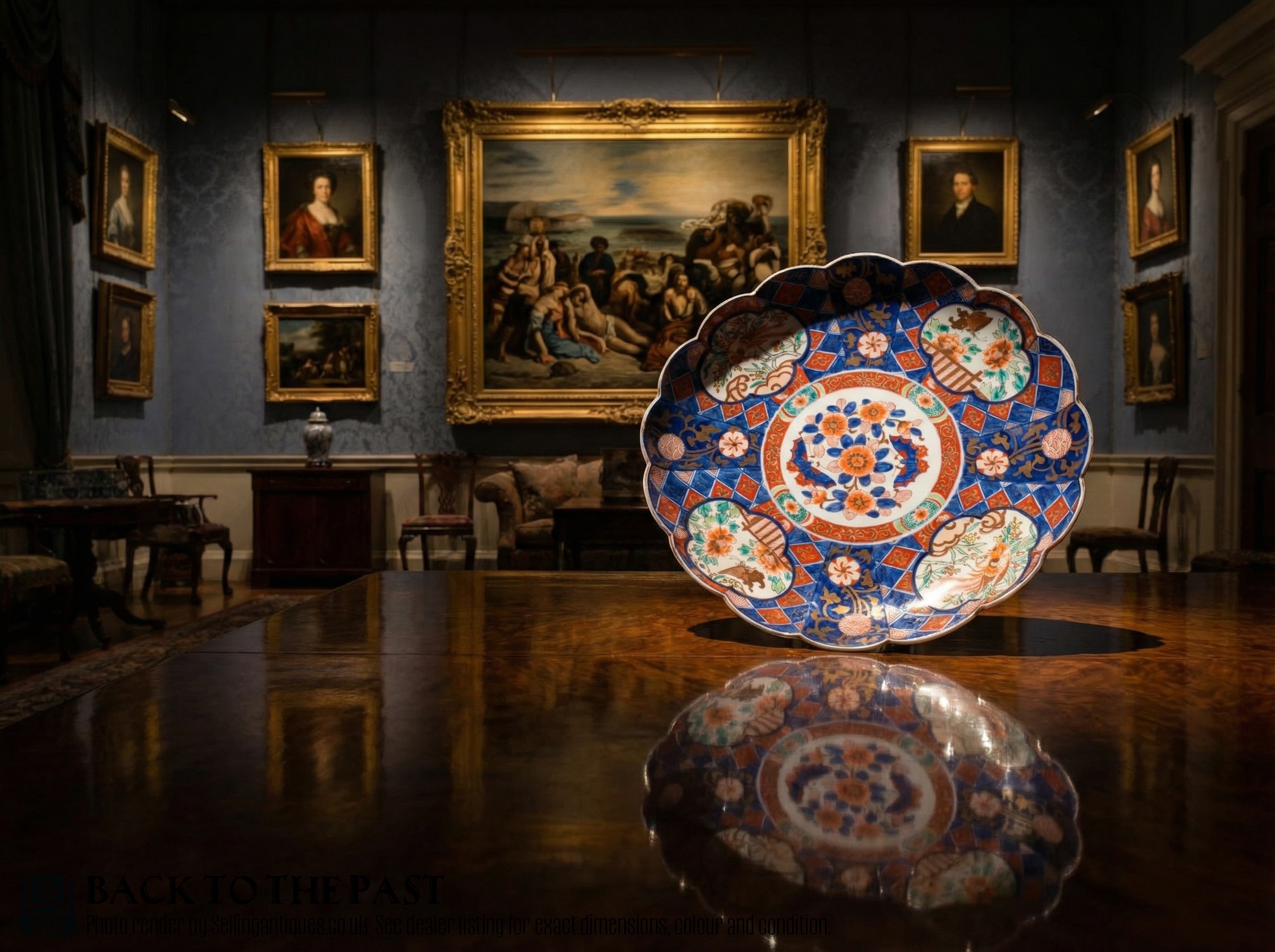
Japanese Imari Platter
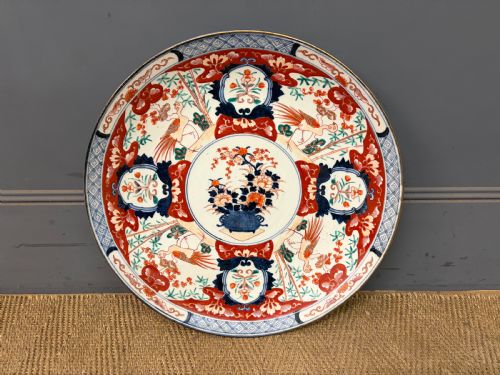
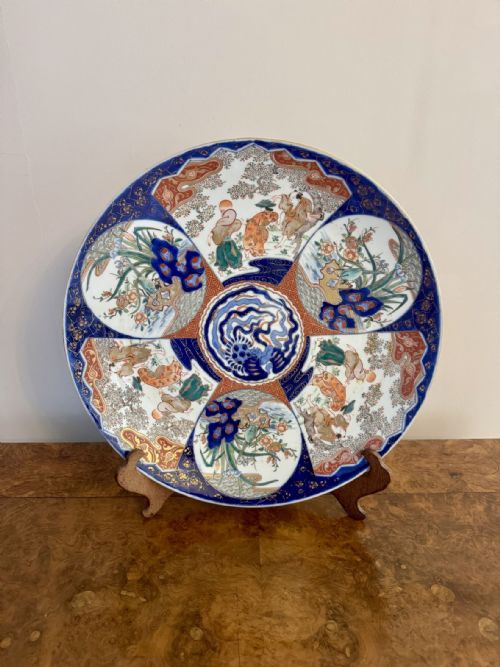
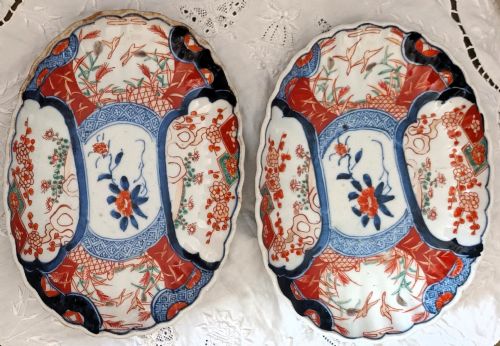
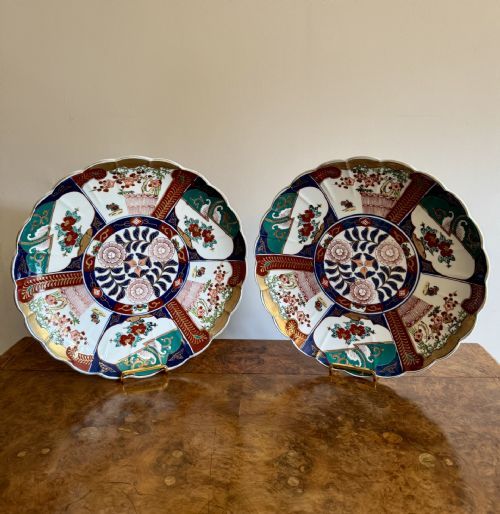
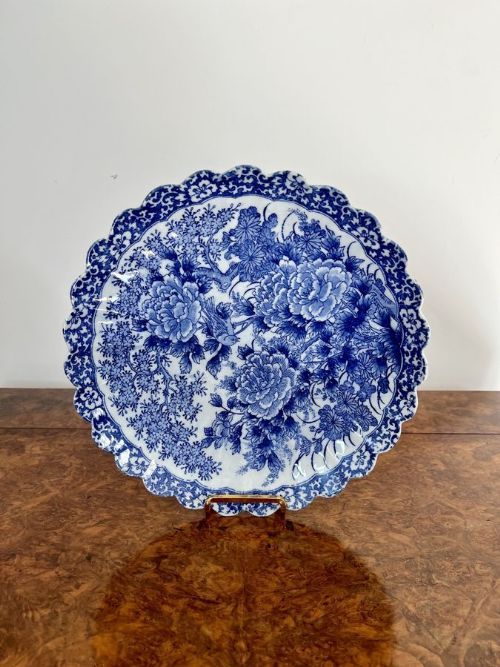
A japanese imari platter typically takes the form of a large charger, a broad dish or a serving tray made in ceramic workshops. These pieces span from the late seventeenth century of the Edo period through the nineteenth century and into the early twentieth century.
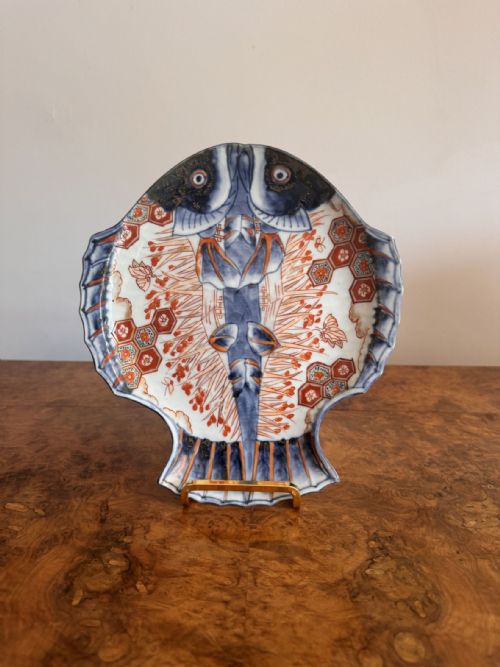
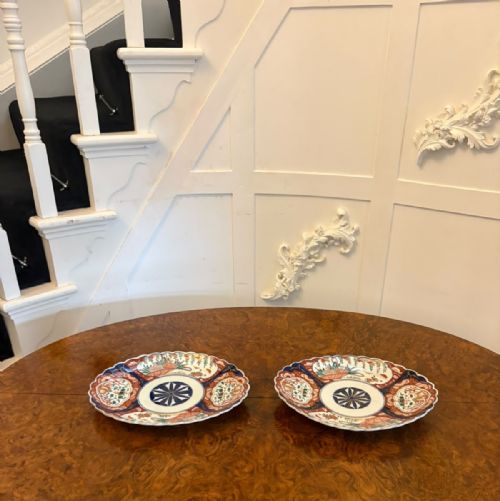
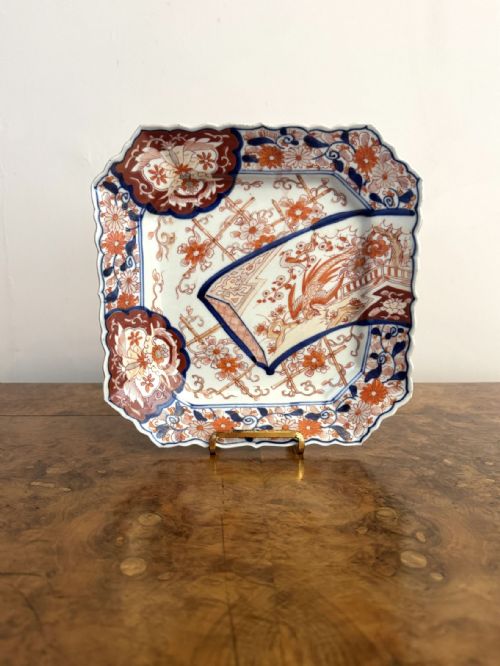
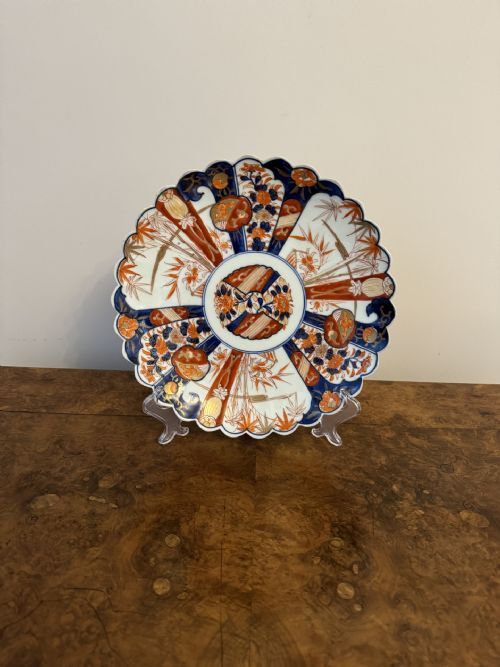
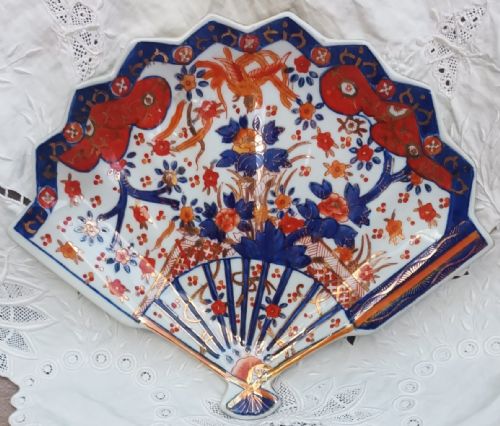
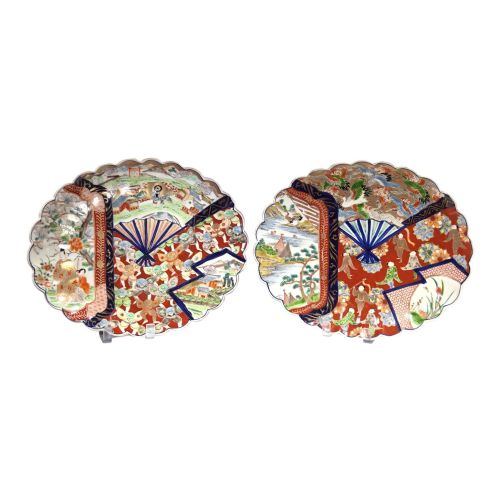
The buyer meets circular chargers most frequently alongside square plates, scalloped edge dishes and occasionally unusual forms shaped like fish, clam shells or fans. Such items originate primarily from Japanese kilns, particularly in Arita, though English interpretations also appear.
Makers shaped these surfaces to display elaborate hand-painted designs depicting floral patterns, birds and subjects like the Seven Lucky Gods or koi carp.

Materials and Technique
Artisans formed these objects from white porcelain fired at high temperatures to create a durable base for subsequent decoration. Cobalt underglaze provided the deep blue elements beneath a clear glossy coat.
Painters then added contrasting enamel colours alongside gilt details, gold leaf or gold gilt highlights to complete the distinctive palette. Kiln workers applied these layers by hand before a secondary firing fixed the iron-red and golden pigments.
Materials recorded across current inventory include cobalt underglaze, enamel, gold leaf and gilt.
Gradations of Quality
The refinement of the painted brushwork separates ordinary utility items from superior decorative chargers. Crisp cobalt lines and precisely registered enamel highlights indicate a steady hand and greater skill.
The weight of the porcelain body and the complexity of the moulding also distinguish better pieces. Scalloped edges, square corners or moulded fish and fan shapes demand higher technical proficiency from the potter.
The Japanese Imari Platter Glossary
- Imari palette
- A decorative colour scheme characterised by cobalt blue and iron-red, frequently accented with gold. This combination originates from Japanese export wares produced in Hizen province.
- Charger
- A large decorative plate or platter used historically for serving food or displayed upright on sideboards. These wide vessels offer an expansive surface for complex pictorial scenes.
- Arita
- A Japanese town and production centre renowned for its porcelain manufacturing history. Kilns here supplied much of the export porcelain destined for European markets.
- Meiji Period
- The era in Japanese history spanning from 1868 to 1912. Objects from this time often exhibit intricate hand-painted designs and vibrant enamel work.
- Edo Period
- The period of Japanese history lasting from 1603 to 1867. Surviving ceramics from these years represent the earlier foundations of traditional export styles.
Japanese Imari Platter: Frequently Asked Questions
How were these platters used?
These large porcelain vessels served practical functions at dining tables for presenting communal portions of food. Over time, households transitioned to displaying them upright on walls or shelves as decorative art.
The robust nature of the fired clay allowed them to handle daily use while the elaborate painted surfaces suited formal interiors.
How do I identify Edo period pieces?
Pieces attributed to the Edo period generally date prior to 1868 and display specific stylistic traits linked to earlier export production. Artisans utilised particular cobalt tones and heavier potting techniques common to seventeenth and eighteenth-century kilns.
Examining the foot ring, glaze pooling and the specific shade of the iron-red enamel helps separate these earlier items from later Meiji examples.
Are English imari platters different?
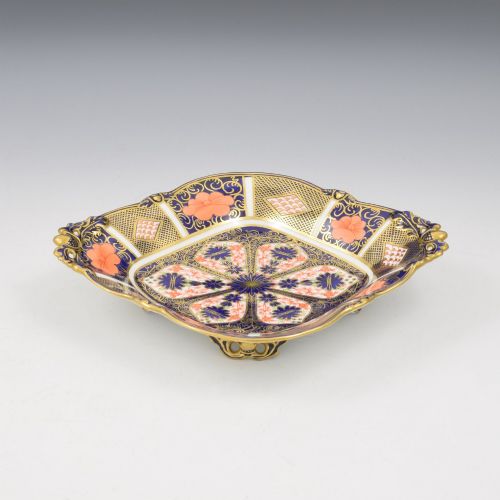
English imari items emulate the distinctive blue, red and gold palette established by Japanese exporters but utilise European ceramic bodies. Factories such as Royal Crown Derby produced bone china versions in the nineteenth and twentieth centuries.
These pieces apply the familiar decorative scheme to Western vessel shapes like pierced serving trays and standard Staffordshire forms.
How do I care for antique porcelain?
Antique porcelain requires gentle handling to protect the hand-painted enamels and gold gilt details from abrasion. Cleaning should involve only lukewarm water and mild soap, avoiding harsh scrubbing or dishwashers entirely.
Displaying chargers on sturdy plate stands or secure wall mounts prevents accidental slips and preserves the structural integrity of the ceramic.