


Japanese Gilt Ceramic Platters
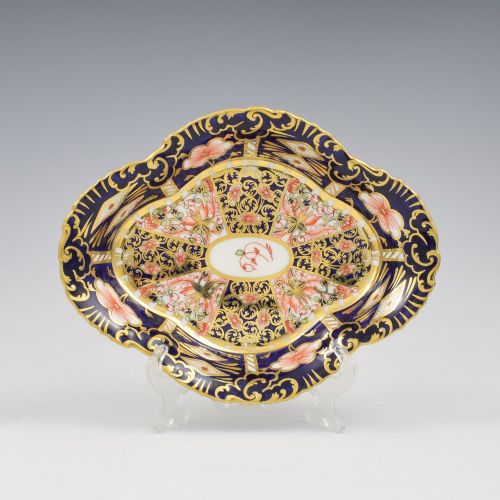
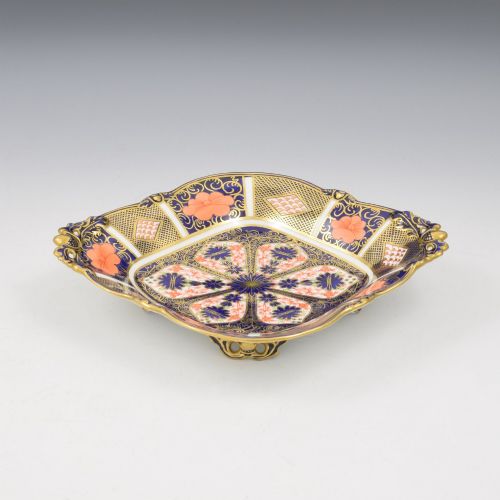
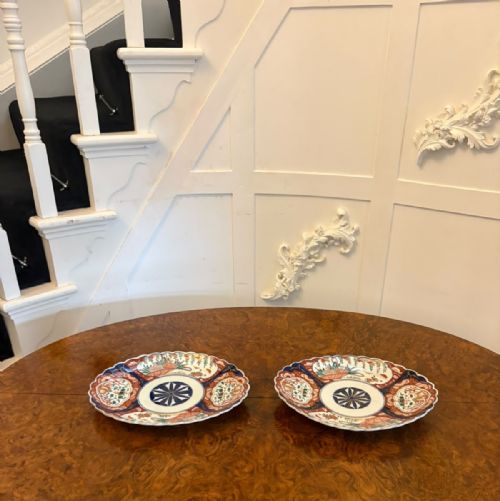
These japanese gilt ceramic platters bring rich cobalt underglaze and hand painted detail to a wall or table.
Japanese Gilt Ceramic Platters
When you search for japanese gilt ceramic platters, you are looking at decorative plates, chargers, and serving dishes from the nineteenth and early twentieth centuries. These pieces span the Meiji period alongside Victorian examples and later twentieth century output.
You will most commonly meet Imari chargers and Kutani porcelain plates on this page, which arrive in round, oval, fan shaped, and pierced forms. They range from large shallow bowls down to twenty six centimetre cabinet plates.
How they were made
Potters shaped porcelain, bone china, and ceramic bodies before applying cobalt underglaze and hand painted enamel decoration. Artisans then added gold leaf, gilt, and gold gilt highlights across the surface.
Kiln firing fixed the underglaze blues and ceramics, while subsequent low temperature firings secured the enamel colours and gilding details.
The listings on this site combine Japanese Meiji period porcelain with Victorian English Imari pieces, spanning from 1890 through 1920.
What varies in quality
The precision of the hand painting separates standard production from finer examples, particularly in the brushwork of the Imari and Kutani patterns. Cobalt underglaze depth and the richness of the gold leaf application also shift from piece to piece.
Larger chargers and unusual fan shaped plates show greater ambition in the kiln work and ceramic forming stages than simple standard plates.
Royal Crown Derby·Fukagawa
The Japanese Gilt Ceramic Platters Glossary
- Imari
- A traditional Japanese style of porcelain decoration featuring cobalt blue, iron red, and gilt highlights. It became widely exported and copied in the West.
- Meiji
- The period in Japanese history spanning from 1868 to 1912, known for significant craft production and international trade. Pieces from this era show distinct hand painted details.
- Kutani
- A style of Japanese coloured porcelain characterised by bold enamel painting and rich surface decoration. These wares often feature detailed figurative or floral motifs.
- Charger
- A large decorative plate used historically for display rather than for serving food at the table. They form the largest visual statements in a ceramic collection.
- Cobalt underglaze
- A blue pigment applied to raw ceramic bodies before glazing and firing, creating a durable decoration beneath the glossy surface layer.
Japanese Gilt Ceramic Platters: Frequently Asked Questions
How were japanese gilt ceramic platters used?
These large chargers and decorative plates were primarily intended for display on walls, sideboards, or tables rather than daily dining. Their rich Imari and Kutani patterns made them striking ornamental centerpieces in nineteenth century interiors.
Some smaller dishes and pierced trays served functional roles for presentation, but the grander chargers remained decorative objects from their creation onward.
How do I hang a heavy charger?
Large porcelain chargers require sturdy, padded wire wall hangers that distribute the weight evenly across the rim without putting pressure on the ceramic body. Ensure the wall fixing is secured into a stud or uses a proper wall anchor.
Avoid spring loaded clips with sharp metal teeth that might chip the enamel or gilt edges during mounting.
How do I tell Meiji period pieces apart?
Meiji period porcelain is identified through stylistic markers such as dense cobalt underglaze, iron red enamel, and gold leaf highlights. The weight and texture of the ceramic body also point toward late nineteenth and early twentieth century Japanese export standards.
Comparing the brushwork quality helps distinguish authentic Meiji period items from later twentieth century reproductions or European imitations.
Can I use these platters for food?
Historic decorative plates and chargers feature hand painted enamels and gold leaf that can wear away with regular use and cutlery contact. The older ceramic bodies and lead containing glazes of the nineteenth century are unsuited for modern dining.
It is best to keep these pieces for visual display rather than serving food.