




Japanese Floral Cloisonne
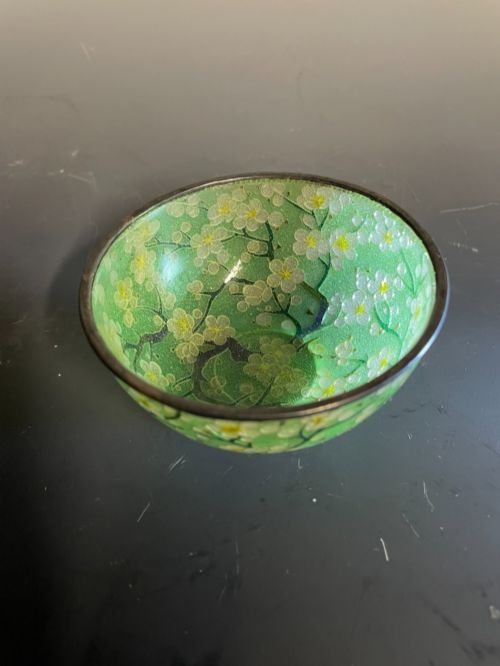
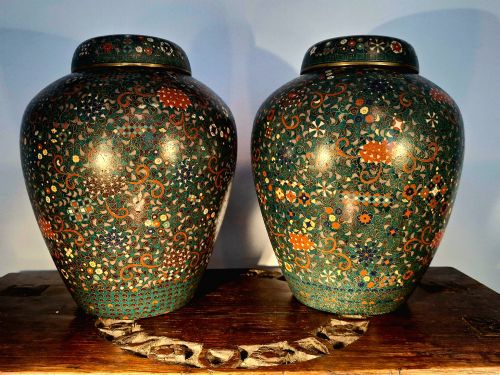
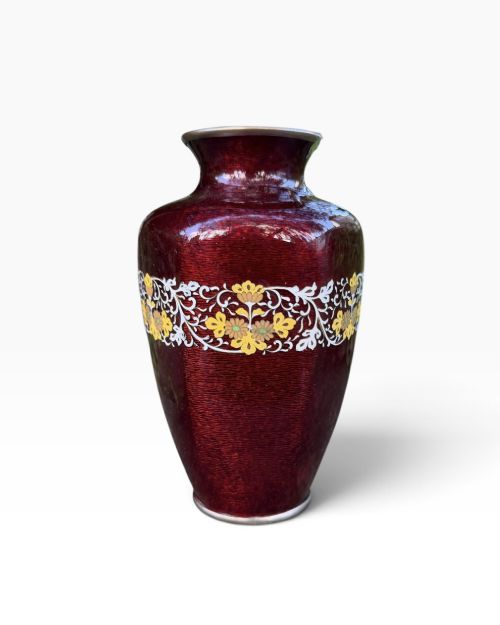
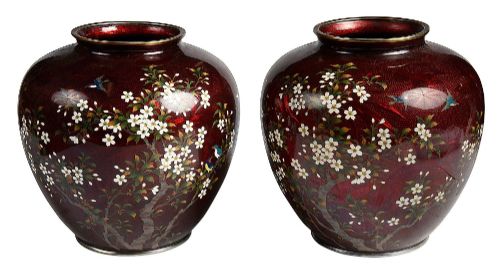
These Japanese floral cloisonne pieces bring intricate botanical enamelwork into your home, offering vibrant displays of chrysanthemums, irises, and peonies from the Meiji and Taisho periods.
Japanese Floral Cloisonne
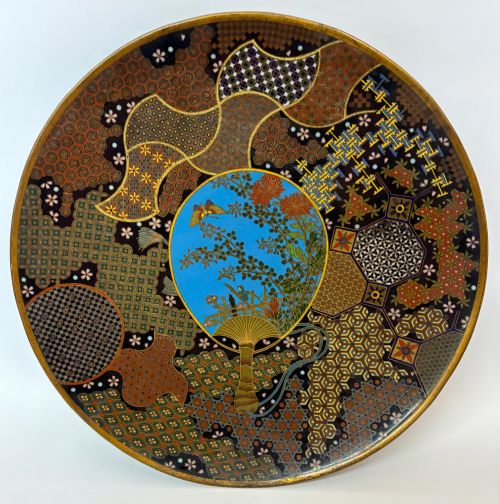
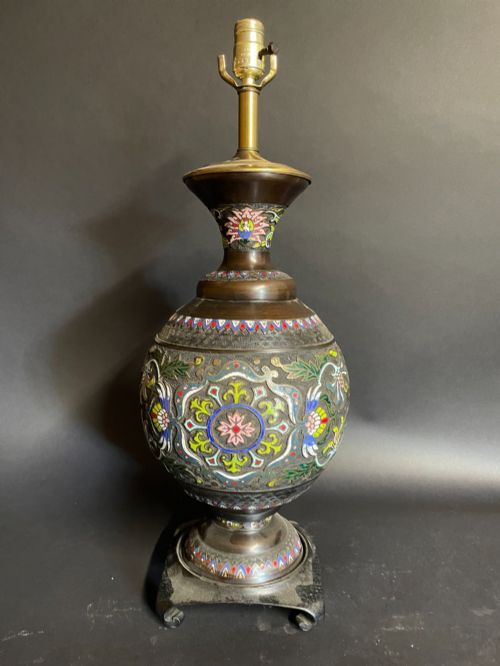
When you search for japanese floral cloisonne, you encounter a selection of vessels and display pieces primarily originating from nineteenth and early twentieth century Japan. The most common forms on this page include large chargers, decorative plates, lidded ginger jars, and slender vases.
These items span several distinct historical eras, most notably the Meiji and Taisho periods, alongside examples from the late Edo period. Artisans decorated these surfaces with detailed natural motifs such as chrysanthemums, irises, peonies, and birds.
The assortment ranges from miniature vases to massive octagonal trays and chargers spanning up to eighteen inches. Each piece demonstrates the meticulous application of enamelwork upon a metallic base.
How they were made
The construction of japanese floral cloisonne relies upon copper, brass, or bronze foundations shaped into vases, bowls, and plates. Artisans soldered thin metal wires, known as cloisons, onto these metallic bases to form intricate cellular compartments that outline the floral designs.
Workers filled these tiny wire cells with coloured enamel pastes before firing the pieces in a kiln to fuse the vitreous materials. Silver foil and specialised techniques such as ginbari added reflective depth beneath translucent enamels to enhance the visual texture of petals and foliage.
Japanese Floral Cloisonne Retail Price Guide 2026
Typical asking prices for japanese floral cloisonne among the pieces listed under this phrase on Sellingantiques today, from the lower quarter to the upper quarter. They describe what is for sale here now, not the wider market.
What varies in quality
Quality in japanese floral cloisonne rests upon the precision of the wirework and the complexity of the enamel palette. Finer examples exhibit microscopic cell structures that delineate petals and birds with extraordinary clarity, while lesser pieces rely on broader, simpler compartments.
The depth of colour, successful firing without significant pitting, and the inclusion of advanced techniques like ginbari or signed maker medallions separate standard production items from masterworks.
Tamura Yukio·Kinkozan
The Japanese Floral Cloisonne Glossary
- Cloisonne
- Enamelwork in which coloured pastes are applied within compartments formed by soldered metal wires on a base. This method creates distinctive cellular patterns across the decorated surface.
- Ginbari
- A specialised Japanese enamelling technique utilising embossed foil beneath translucent enamel to create a textured, shimmering background pattern. It frequently appears on vases from the Taisho era.
- Charger
- A large decorative plate intended for display on a wall or stand rather than for dining use. These pieces often feature complex multi-subject scenes involving birds, flowers, and auspicious symbols.
- Champleve
- An enamelling technique where troughs or cavities are gouged directly into a bronze or metal surface to hold the coloured paste rather than using applied surface wires.
Japanese Floral Cloisonne: Frequently Asked Questions
How are japanese floral cloisonne vases cleaned?
Dust these enamel surfaces gently using a soft, dry cloth to prevent accumulation within the wire crevices. Avoid chemical cleaners or liquid immersions that might damage the historical metal bases or aged enamel.
Keep pieces away from direct sunlight and damp environments to protect the integrity of the metallic elements and the vitreous pastes.
What is the difference between Meiji and Taisho cloisonne?
Meiji period pieces typically feature dense, highly intricate compositions with rich, varied enamel palettes and meticulous wirework. They often focus heavily on naturalistic flora and fauna.
Taisho period examples frequently incorporate innovative techniques like ginbari alongside refined floral motifs, reflecting evolving stylistic preferences in twentieth-century Japanese workshops.
Can japanese floral cloisonne plates be hung on walls?
Many large chargers and plates feature sturdy construction suitable for wall display using specialised coated wire hangers that grip the rim safely. Ensure the wall mounting hardware is securely anchored to support the substantial weight of bronze or copper-based pieces.
Alternatively, smaller plates and bowls display effectively on dedicated wooden stands placed on cabinets or tables.
How do I identify signed japanese cloisonne?
Signatures on these works usually appear on the base as stamped or enamelled maker marks and artist signatures in Japanese characters. These marks help attribute pieces to specific workshops or master artisans active during the late nineteenth and early twentieth centuries.
Examine the base carefully under good lighting with a magnifying glass to locate subtle maker seals embedded within the enamel or etched into the metal.