






Japanese Figure Porcelain Vase
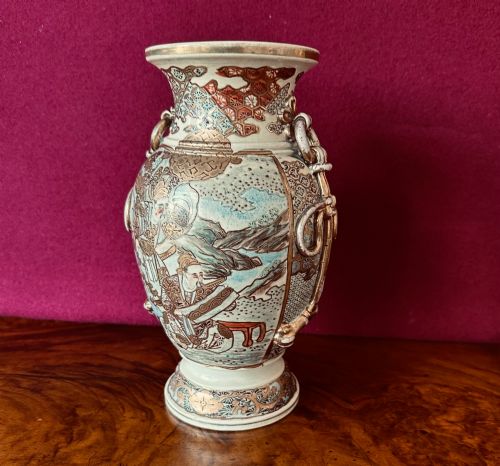
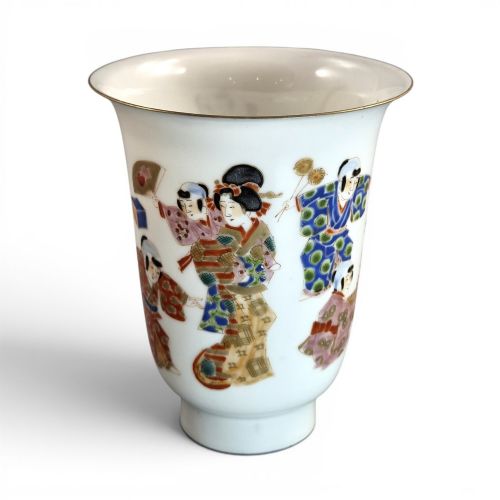
These japanese figure porcelain vase examples bring intricate narrative scenes and rich gilding straight into a room, offering a tangible link to historical ceramic traditions.
Japanese Figure Porcelain Vase
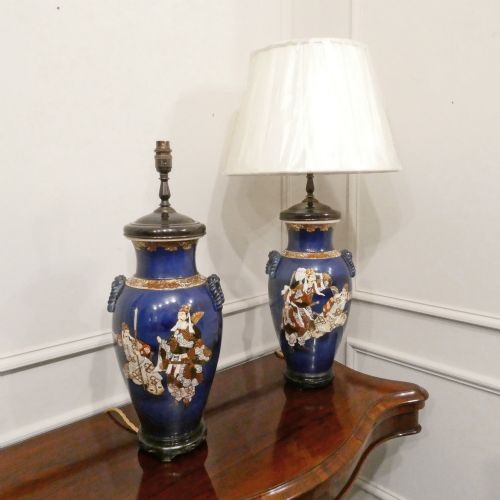
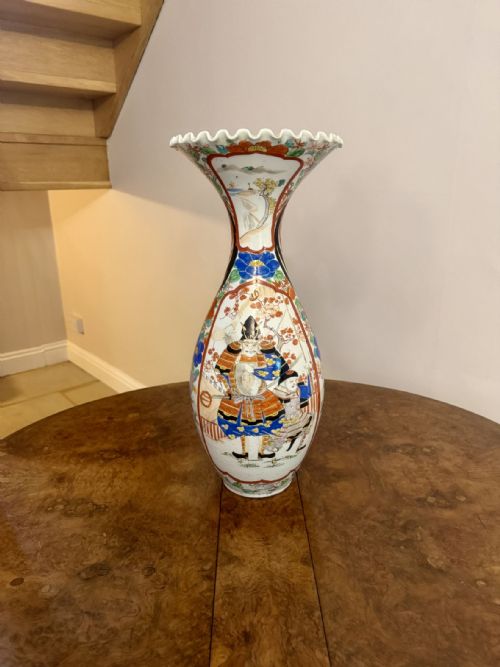
A japanese figure porcelain vase represents a distinct intersection of traditional Asian ceramic artistry and Victorian-era importing tastes. Buyers encounter various forms on this page, ranging from grand baluster shapes to cylindrical vessels and lidded jars.
The objects stem predominantly from the Meiji and Edo periods, alongside nineteenth-century productions. Makers utilised specific regional styles such as Satsuma, Kutani, Imari, and Arita to distinguish their output.
How they were made
Potters shaped porcelain and earthenware bodies before applying detailed enamel painting and hand-applied gilding. Many pieces incorporate gold leaf or ormolu mounts, enhancing the decorative surface with metallic sheen.
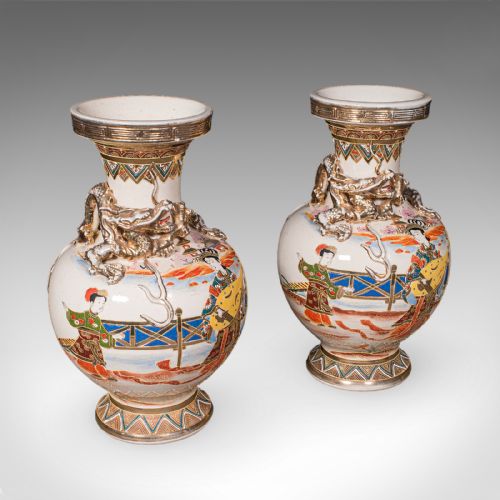
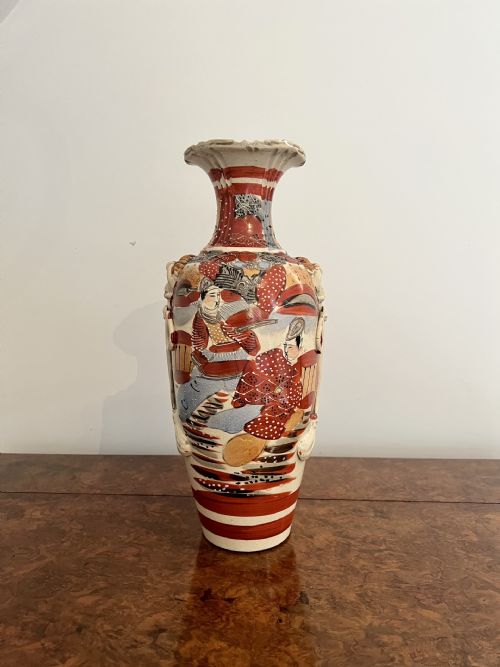
Techniques such as moriage build up raised slip decoration to give figures and floral motifs a tactile quality. Artisans balanced cobalt blue pigments and polychrome enamels to delineate court scenes and traditional landscapes.
Japanese Figure Porcelain Vase Retail Price Guide 2026
Typical asking prices for japanese figure porcelain vase among the pieces listed under this phrase on Sellingantiques today, from the lower quarter to the upper quarter. They describe what is for sale here now, not the wider market.
Court figures rendered in fine enamel gaze perpetually from porcelain balusters, guarding domestic shelves with stoic Meiji dignity.
What varies in quality
The fineness of the hand-painted brushwork dictates the visual success of the narrative scenes across the body. Superior examples display precise control over polychrome enamels and meticulous application of gold leaf.
Proportion and form define the physical presence of the vessel, with cylindrical and baluster shapes requiring balanced symmetry. The integration of decorative elements like handles and raised moriage influences the overall aesthetic impact.
Hichozan Shinpo
The Japanese Figure Porcelain Vase Glossary
- Satsuma
- A type of Japanese earthenware featuring a crackle-glaze ivory ground decorated with polychrome enamels and gilding. These pieces frequently depict court figures and historical narratives.
- Kutani
- A style of Japanese porcelain and pottery known for vibrant colour palettes, often dominated by greens, blues, yellows, and purples. Artisans utilise these rich pigments to cover surfaces in dense pictorial designs.
- Imari
- A traditional Japanese porcelain style characterised by a palette of underglaze blue and iron red, supplemented with gold. This decorative scheme originated in the town of Arita and became widely exported.
- Moriage
- A ceramic technique where slip is piped onto the surface to create raised decorative patterns and textures. Collectors appreciate this method for the tangible depth it adds to figures and floral borders.
- Baluster
- A vertical architectural form shaped with a rounded lower body tapering to a narrow neck. Ceramicists frequently adapt this silhouette for decorative vases and urns.
Japanese Figure Porcelain Vase: Frequently Asked Questions
What periods do these vases date from?
The pieces span the Edo and Meiji periods, extending through the nineteenth century and into the early twentieth century. Victorian-era import trends also shape the historical context of many surviving examples.
Buyers encounter various traditional styles that reflect these specific manufacturing eras.
Where should I display my vase?
These decorative vessels suit prominent display on sideboards, mantels, or dedicated cabinets where their detailed enamel work catches the light. Placing them away from direct sunlight protects the delicate gilding and polychrome pigments.
Stable surfaces ensure these ceramic objects remain secure in domestic settings.
What is moriage decoration?
Moriage involves piping liquid clay onto the unglazed or glazed surface before firing to create raised, tactile relief. This method gives figures and geometric borders a distinct three-dimensional quality.
Craftsmen combine this technique with gold leaf to highlight specific pictorial elements.