

Japanese Earthenware Pottery
Japanese earthenware pottery brings intricate hand-painted detail and rich historical craft directly to your interior.
Japanese Earthenware Pottery
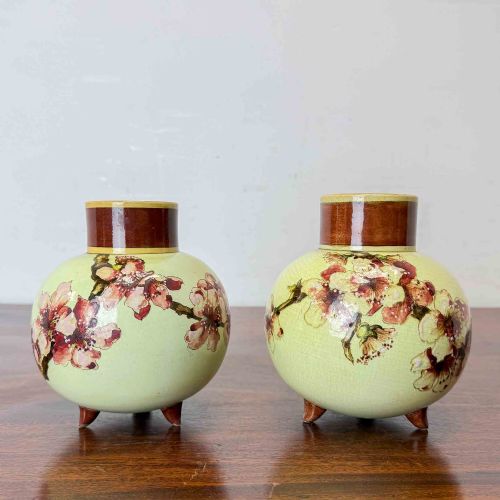
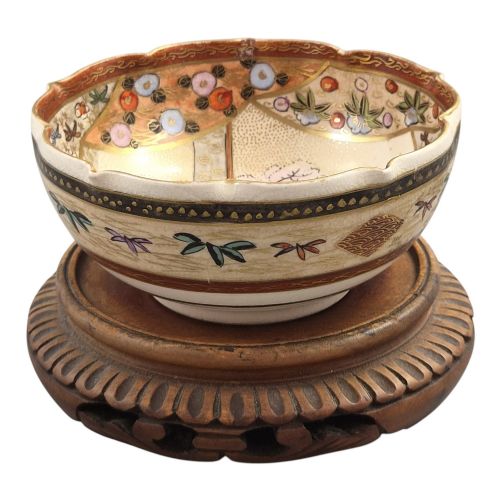
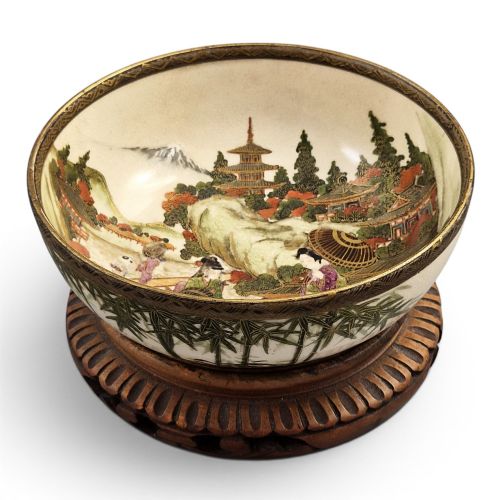
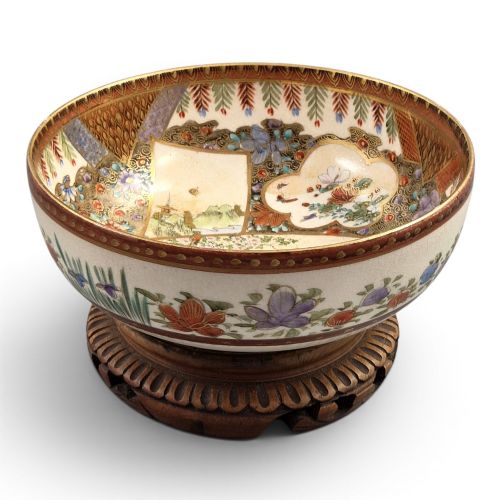
When searching for japanese earthenware pottery, collectors encounter richly decorated vessels and decorative objects originating primarily from the Meiji and Taisho periods. These pieces span functional and ornamental forms, including vases, decorative bowls, tea caddies, incense burners, and pitchers.
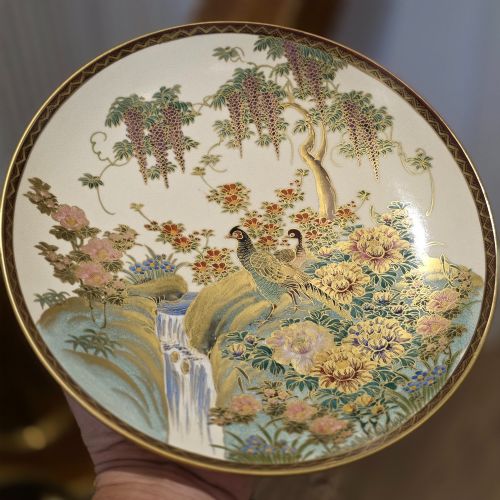
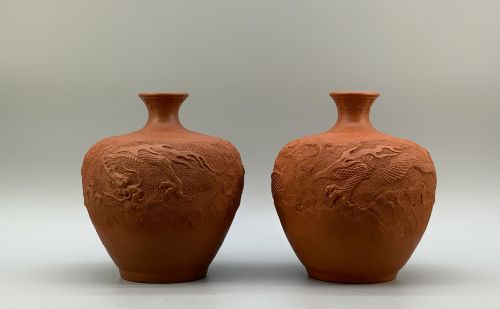
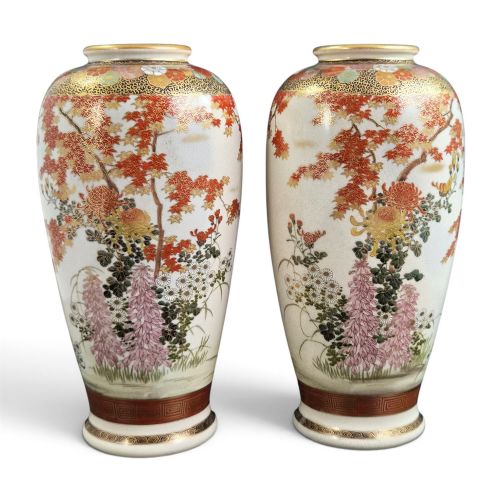
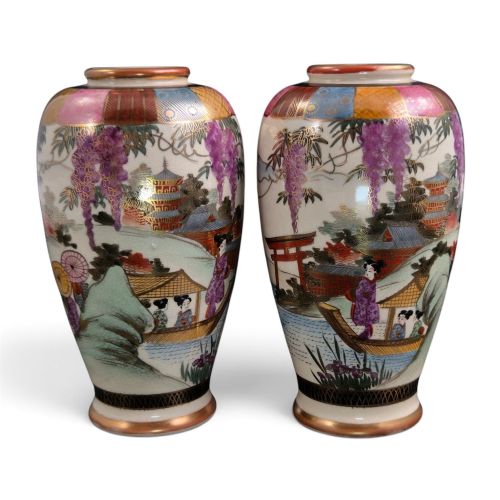
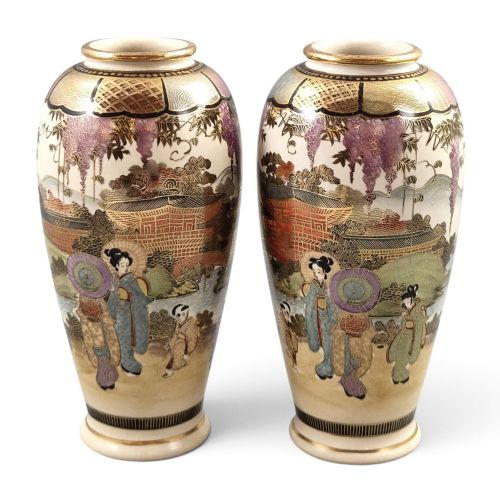
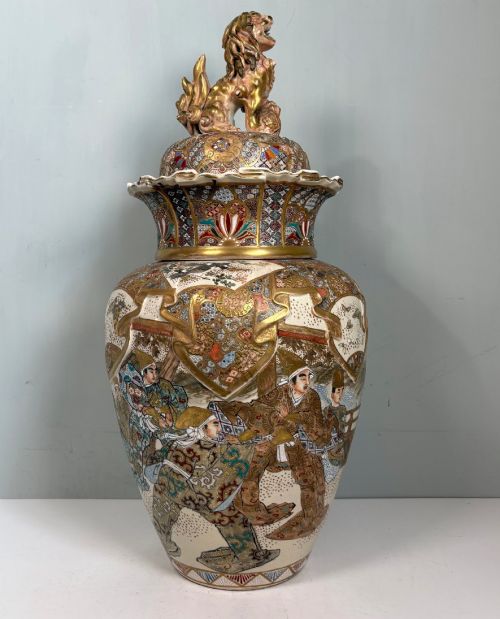
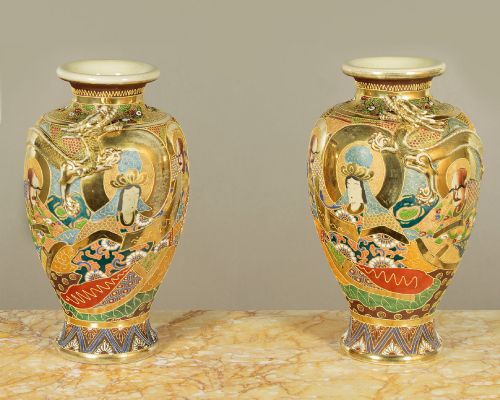
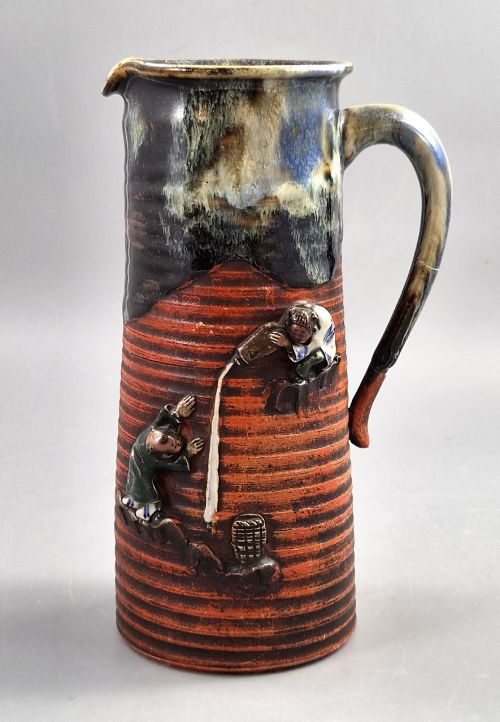
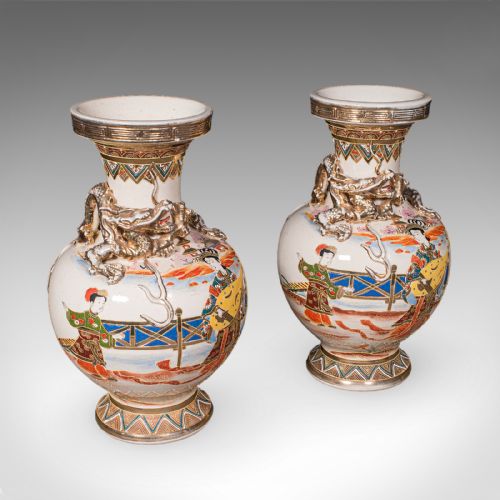
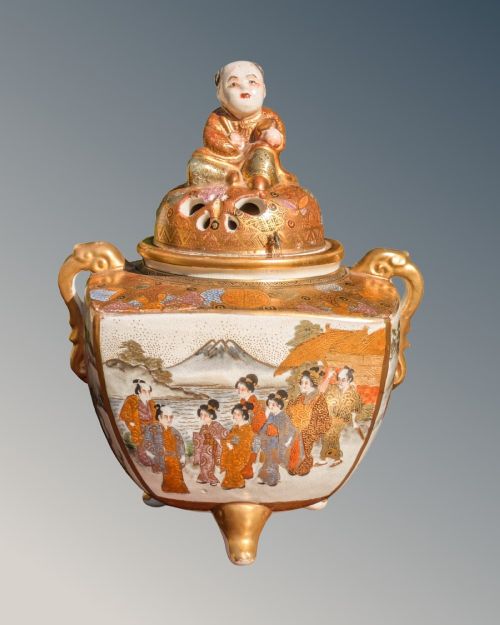
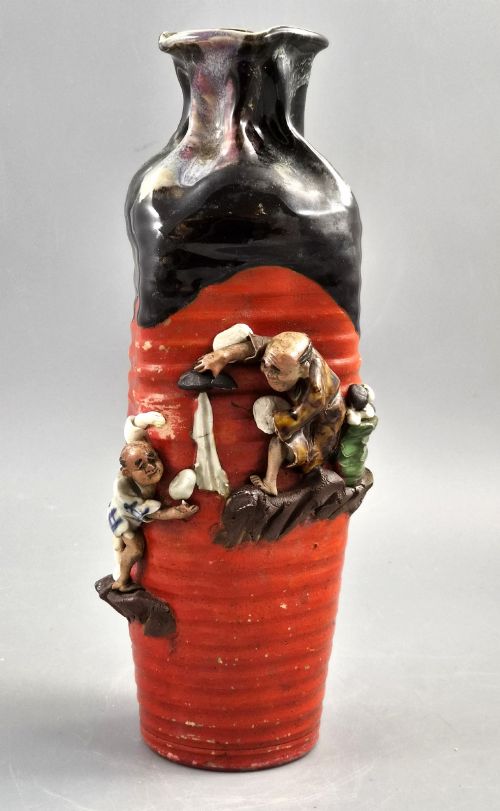
The most common examples on this page are Satsuma wares featuring complex figurative or floral scenes, alongside distinctive Sumida Gawa pieces with applied figures. Ranging from miniature vases to large floor pieces, the selection reflects the varied production centres of late nineteenth and early twentieth century Japan.
Materials and Construction
Makers utilised porous earthenware and terracotta bodies as the foundation for elaborate surface decoration. Potters then applied detailed polychrome enamels and gold leaf or gilt highlights to build up complex pictorial scenes.
Many items incorporate raised enamel work, known as moriage, which adds a tactile, three-dimensional element to court figures and floral motifs. Specialised glazes and red clay bodies further define distinct regional styles such as Tokoname and Sumida Gawa.
Listings feature earthenware pieces from the nineteenth century through the 1930s, encompassing both the Meiji and Taisho periods.
Factors of Quality
The distinction between standard commercial output and superior craftsmanship lies in the precision of the brushwork and the density of the gilding. Master workshops employed skilled painters whose miniature portraits and landscape details remain crisp and well-defined.
Structural harmony also separates the output of notable names from lesser production, with finer pieces maintaining balanced proportions and disciplined enamel application. The integration of raised motifs and the clarity of artist signatures further indicate the tier of the piece.
Kinkozan Workshop·Inoue Ryosai·Koshida·Shozan·Kizan·Kozan·Hotoda·Toshozan·Chosei
The Japanese Earthenware Pottery Glossary
- Satsuma
- A type of Japanese earthenware originating from the Satsuma Domain, characterised by a crackled ivory glaze and heavy polychrome enamel and gilt decoration.
- Moriage
- A decorative ceramic technique using piped clay to create raised, textured patterns beneath or over the glaze.
- Sumida Gawa
- A distinctive style of Japanese pottery featuring heavily textured or streaked glazes combined with applied three-dimensional figures.
- Natsume
- A traditional Japanese tea caddy typically used for powdered green tea during chanoyu ceremonies.
- Koro
- An incense burner designed with a pierced lid to allow scented smoke to escape gracefully into a room.
Japanese Earthenware Pottery: Frequently Asked Questions
How do I identify genuine Satsuma pottery?
Authentic Satsuma pieces typically feature a fine, distinguishable crackle glaze beneath intricate enamel and gilt painting. Examining the base often reveals artist signatures or workshop marks corresponding to traditional kiln centres.
Closer inspection should reveal meticulous hand-painted details depicting court figures, landscapes, or flora. The underlying body consists of earthenware rather than hard-paste porcelain.
What is Sumida Gawa pottery?
Sumida Gawa ware is a distinct category of Japanese ceramics known for dramatic, uneven glazes and playful applied figures. These pieces often depict sages, children, or everyday scenes modeled in high relief against a textured background.
Produced around Tokyo during the Meiji and Taisho periods, these items are celebrated for their sculptural and narrative qualities. Signed examples by makers like Inoue Ryosai are particularly sought after by collectors.
How should I care for antique earthenware?
Antique Japanese earthenware requires gentle handling due to the delicate nature of enamel and gilt surface decorations. Dusting with a dry, soft cloth is sufficient for routine maintenance.
Keep pieces away from direct sunlight to prevent fading of the pigments and gold leaf. Avoid immersion in water, as moisture can penetrate the porous earthenware body and historic crackle glazes.
Where were these ceramics made?
Production centres varied widely across Japan, with Kyoto serving as a primary hub for refined Satsuma export wares. Other regions, such as Tokoname, specialised in distinct red clay bodies and utilitarian or sculptural vessels.
Each pottery district contributed unique techniques, from the sophisticated enamel work of central workshops to the rustic, heavily glazed styles produced near river districts.