

Japanese Decorative Vases
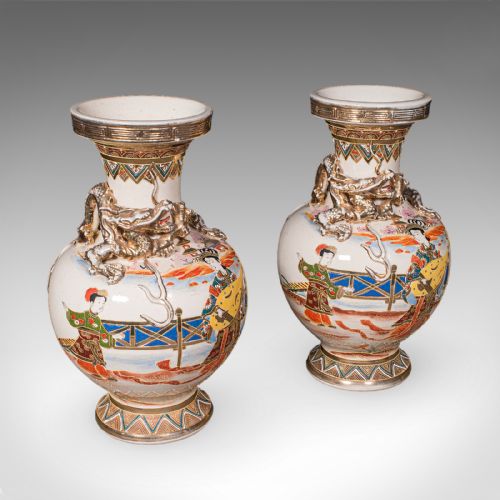
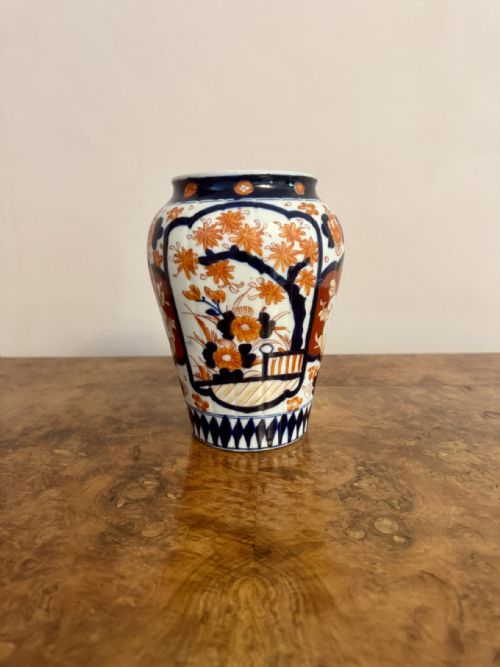
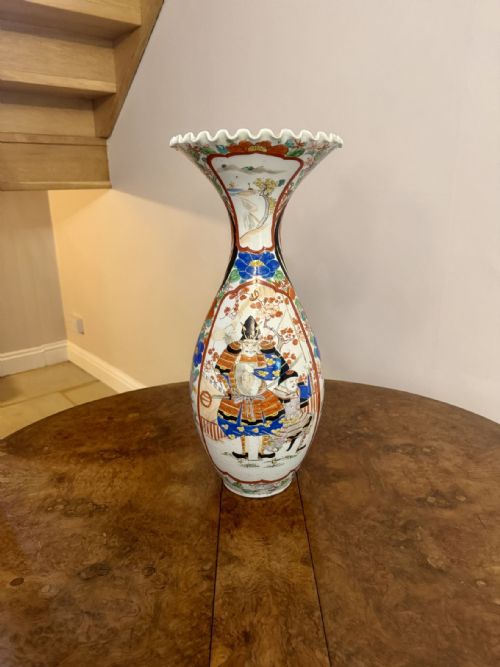
When you search for japanese decorative vases, you encounter skilled metalwork and painted ceramics spanning the Meiji period and subsequent decades.
Japanese Decorative Vases
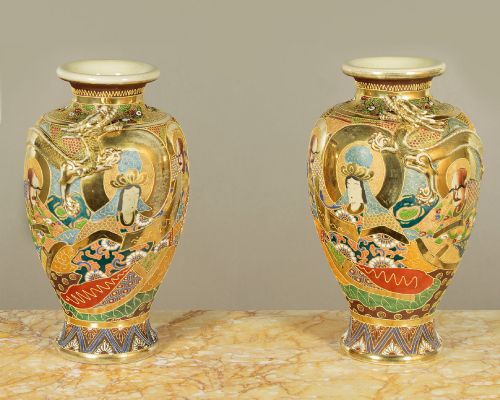
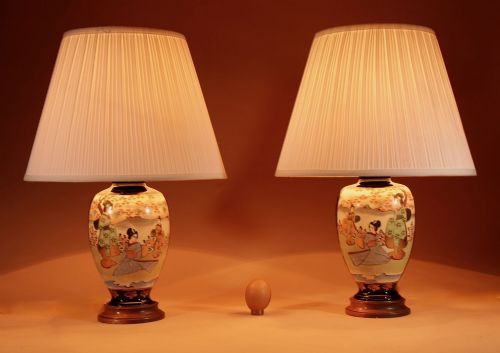
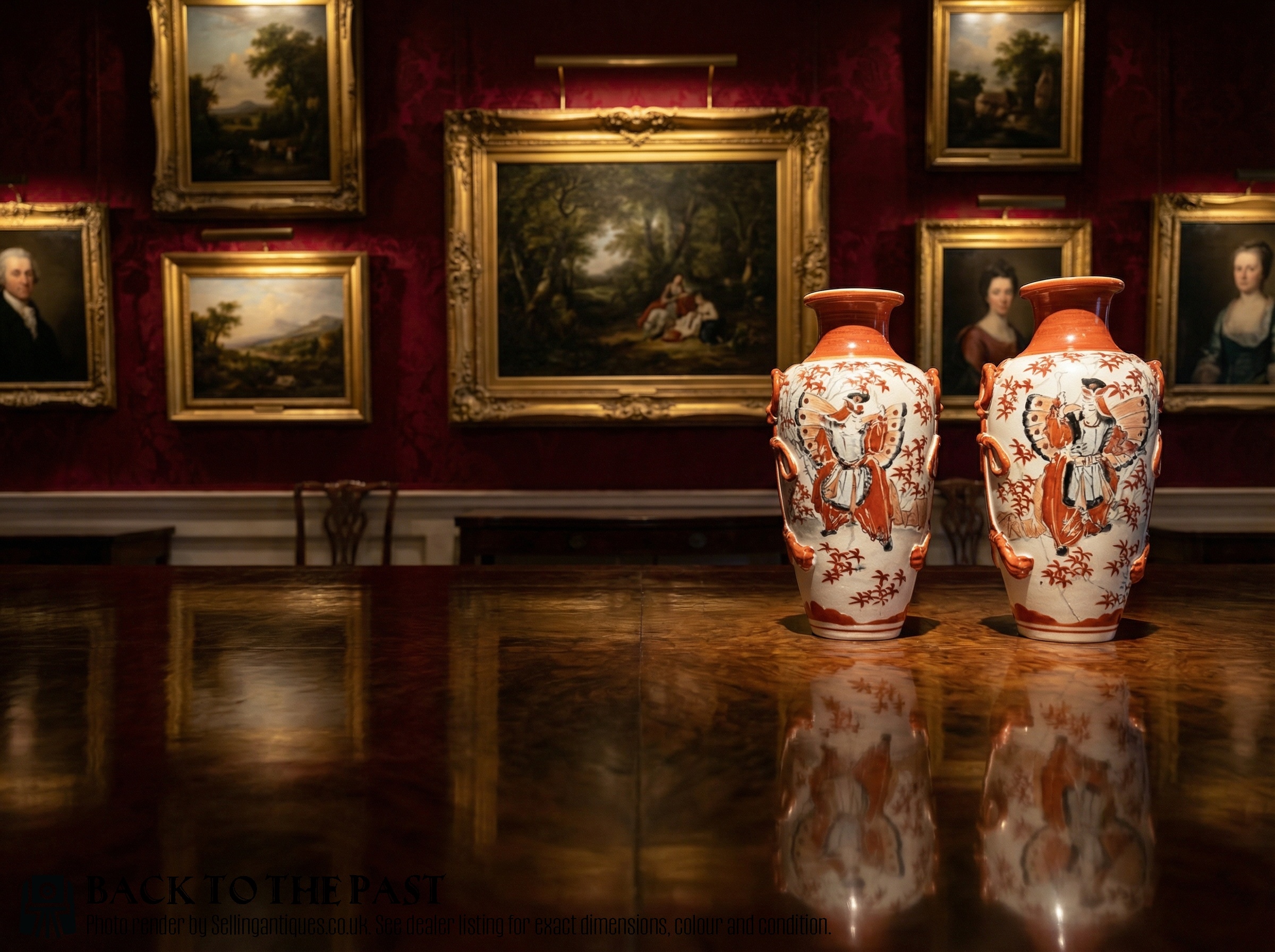
Japanese decorative vases encompass a diverse array of ceramic, porcelain, and metal vessels originating primarily from the late nineteenth and early twentieth centuries. These objects range from compact miniature pots to substantial floor-standing pieces and table lamps.
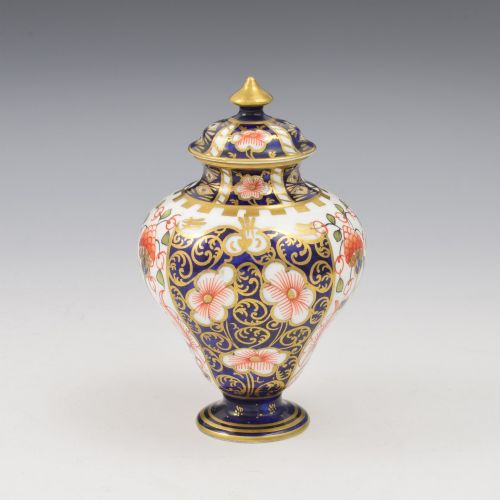
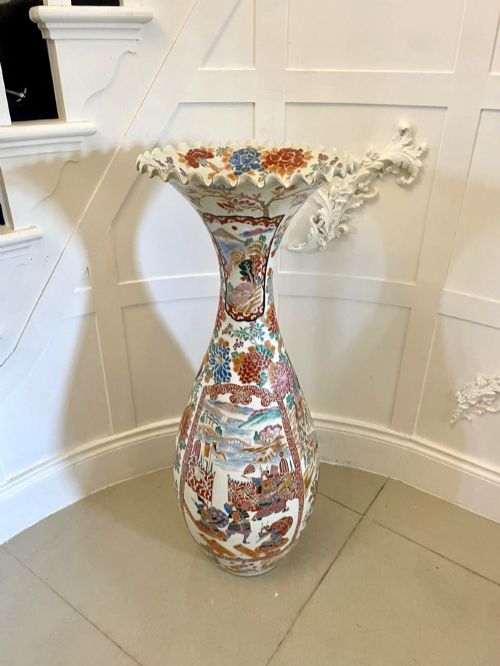
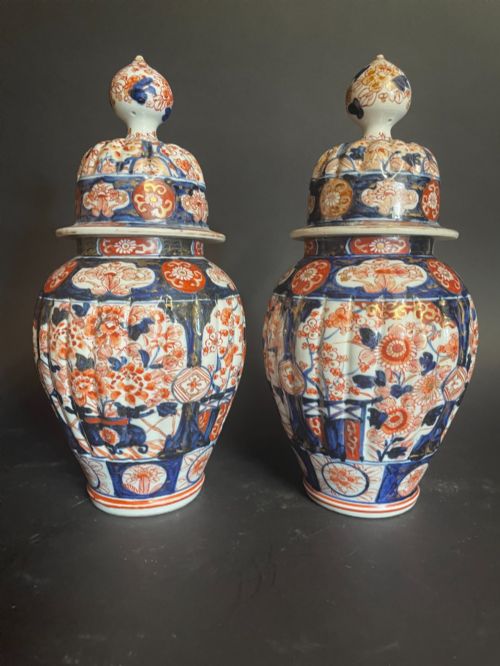
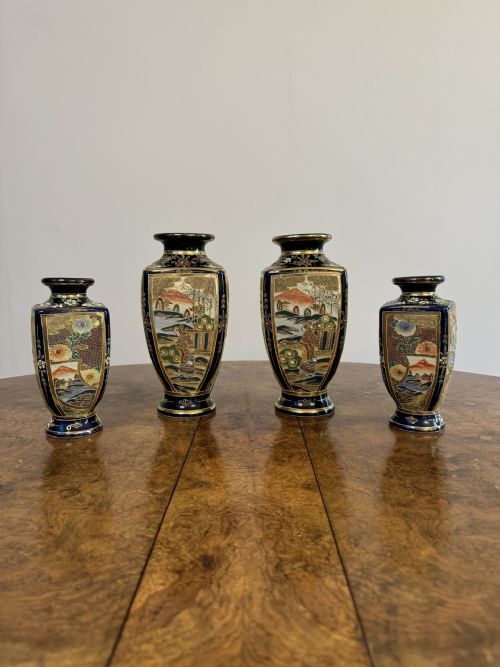
Buyers frequently encounter Satsuma earthenware and Imari porcelain alongside bronze and cloisonné enamel vessels. Many examples date from the Meiji period, while others extend into the Taishō and Showa eras.
Forms vary from traditional baluster shapes and ginger jars to specialised vessels like ikebana baskets and jardinières. Makers utilised both earthenware and stoneware bodies to achieve distinct textures for painted and glazed decoration.
How They Were Made
Craftsmen shaped earthenware and porcelain bodies before applying intricate hand-painted designs enriched with gold leaf, cobalt, and enamel pigments. Moriage techniques added raised textural elements to ceramic surfaces.
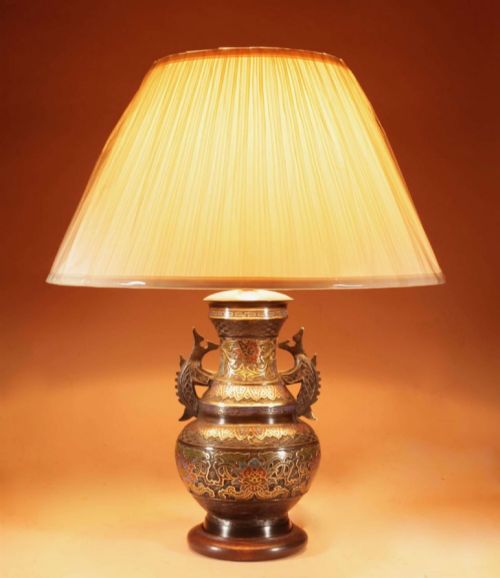
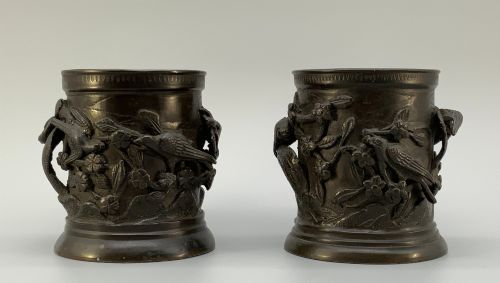
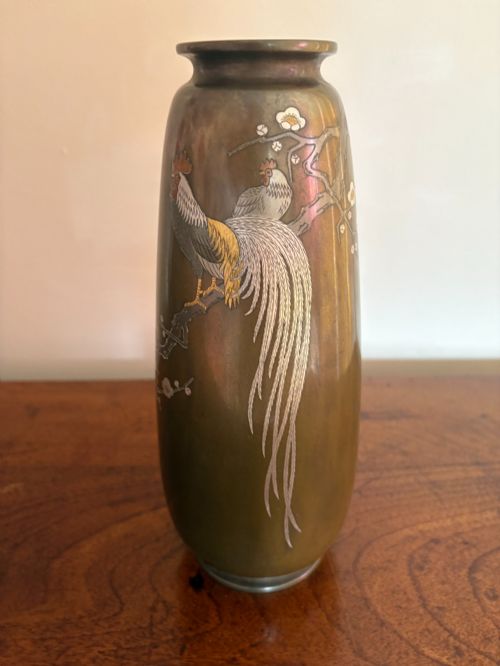
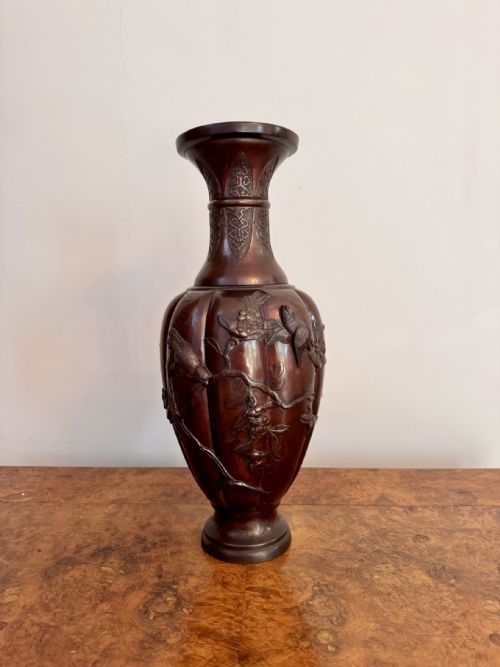
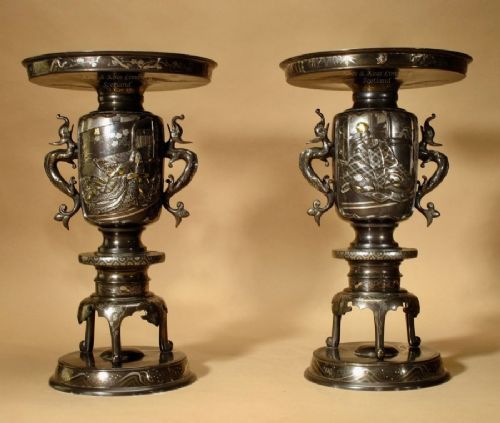
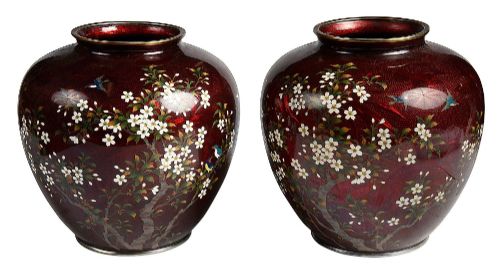
Metalworkers cast bronze and mixed metals, frequently incorporating inlaid wire, champlevé, and cloisonné enamelling to create complex patterns. Silver wire and translucent red enamel finishes appeared on specialised cloisonné vessels.
Several bronze vases feature mischievous topps and carp locked in eternal aquatic standoffs.
What Varies in Quality
Quality rests upon the precision of the brushwork, the crispness of the bronze casting, and the complexity of the decorative scheme. Finer pieces demonstrate superior control over enamel firing and gilding.
Signatures from established workshops and recognised artists elevate certain Satsuma, bronze, and cloisonné pieces above standard commercial production. The harmony between the vessel form and its surface ornament distinguishes the finest examples.
KANASAWA·Manpei, Kobe·Makuzu Kozan II·Ando Jubei·Kinkozan·Chosei, Kyoto·Shuzan·Nanzan·Kōko·Nogawa Company·Seiya
The Japanese Decorative Vases Glossary
- Satsuma
- An earthenware ceramic type characterised by a crackled ivory glaze and detailed polychrome and gilt decoration. These pieces were extensively produced for export during the Meiji period.
- Imari
- A style of Japanese porcelain featuring a distinct palette of underglaze blue, iron red, and gold. Artisans produced these items in Arita for both domestic use and international trade.
- Cloisonné
- A metalwork technique where thin wire partitions are soldered onto a base to create cells filled with enamel paste. The object is then fired and polished to a smooth finish.
- Champlevé
- An enamelling method involving troughs or hollows carved into a bronze surface to hold coloured glass paste before firing. This process produces durable linear patterns across metal vessels.
- Moriage
- A decorative ceramic technique using piped clay slips to build up raised relief patterns. These textured areas are often highlighted with gold leaf and bright enamels.
Japanese Decorative Vases: Frequently Asked Questions
What are Japanese decorative vases?
These pieces are artistic vessels made from bronze, ceramic, and porcelain in Japan, mostly during the Meiji period and the early twentieth century. They served as ornamental objects for display within domestic interiors.
Craftsmen utilised techniques such as cloisonné enamel, hand-painted Satsuma glaze, and intricate bronze inlay to decorate the surfaces with natural motifs.
How were Satsuma vases used?
Satsuma earthenware vessels were primarily created as decorative display items for mantels, tables, and cabinets rather than for holding water or cut flowers. Their delicate crackle glazes made them unsuited for practical utility.
Export demand in the West led to the production of diverse forms, including garnitures, lidded jars, and table lamps adapted for western interiors.
How do I identify Meiji period pieces?
Meiji period items typically date between eighteen sixty-eight and nineteen twelve, aligning with the reign of the Emperor Meiji. These objects often display complex narrative scenes, birds, blossoms, and precise metalwork.
Many high-quality examples feature artist signatures or workshop marks stamped or painted on the base, providing clues to their origin and maker.
How do I care for antique bronze vases?
Bronze and mixed metal vessels require minimal maintenance beyond gentle dusting with a soft, dry cloth to prevent the accumulation of grit. Avoid using chemical cleaners, water, or abrasive polishes that might strip patination.
Keeping the pieces away from direct sunlight and excessive humidity helps preserve the original metal surfaces and any applied gold leaf or inlay.