

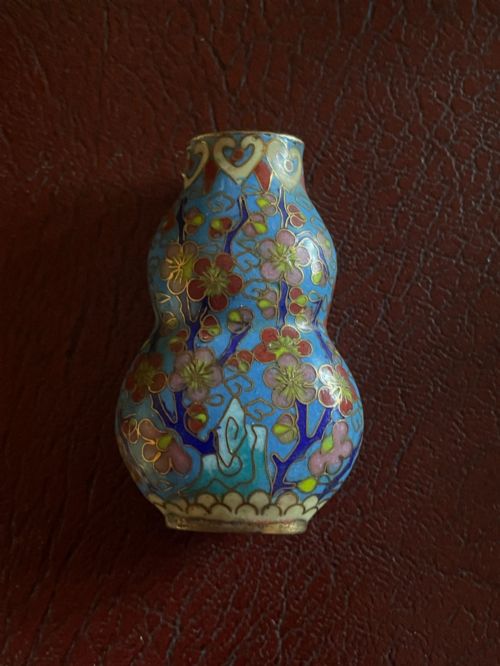


Oriental Miniature Vase
An oriental miniature vase packs immense detail into a tiny vessel, offering a concentrated glimpse into historic Asian craftsmanship.
Oriental Miniature Vase
An oriental miniature vase comprises small-scale decorative vessels originating from China and Japan, typically measuring just a few inches in height. When you search for an oriental miniature vase, you encounter works spanning the nineteenth century through the early twentieth century.
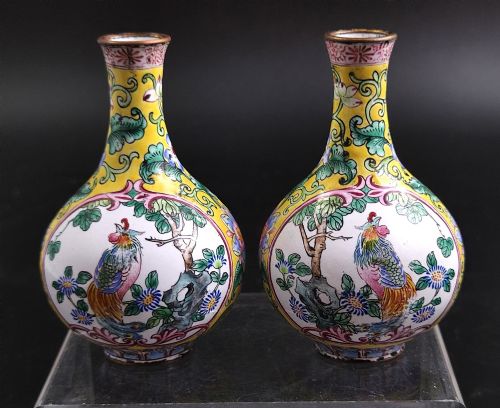
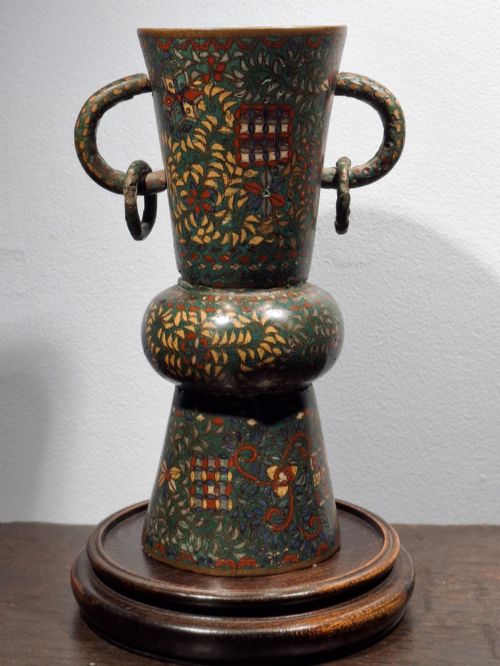
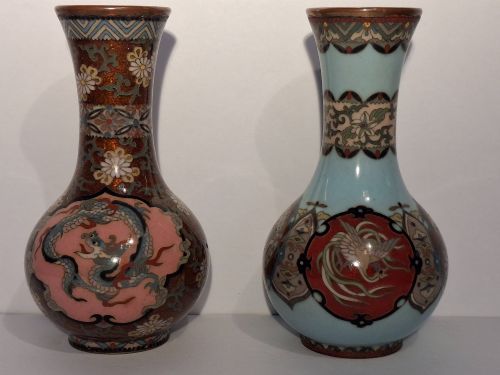
The selections here focus heavily on Japanese Satsuma earthenware and Imari porcelain, alongside Chinese Canton enamel and cloisonné works. These diminutive pieces were created primarily for export and display, maintaining the intricate artistry of their larger counterparts on an intimate scale.
Materials and methods
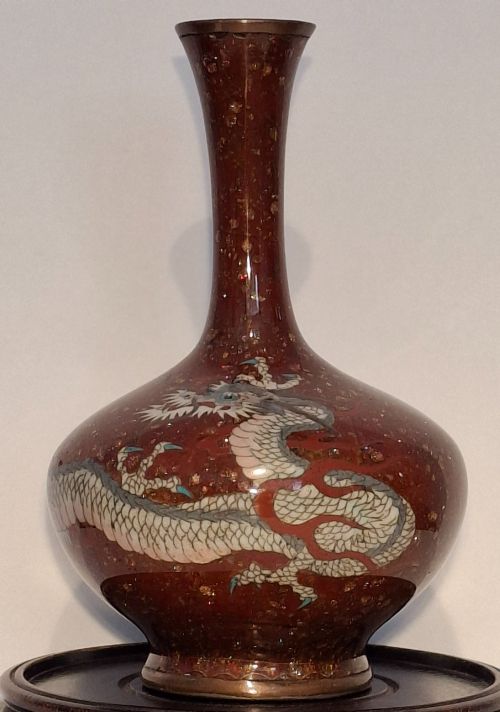
Craftsmen utilised copper bases for cloisonné work, layering delicate wire cells with coloured enamel before firing and polishing the surface to a smooth finish. Earthenware and porcelain bodies provided the canvas for detailed hand-painted scenes using rich mineral pigments.
Gold leaf and fine gilding frequently highlight the painted designs, particularly on Satsuma wares and Imari pieces. These combined techniques demand exceptional precision given the restricted canvas size of each vessel.
Oriental Miniature Vase Retail Price Guide 2026
Typical asking prices for oriental miniature vase among the pieces listed under this phrase on Sellingantiques today, from the lower quarter to the upper quarter. They describe what is for sale here now, not the wider market.
Listings feature materials including enamel, gold leaf, earthenware, copper, porcelain, brass, glaze, and bronze across the nineteenth and early twentieth centuries.
Determining quality
The finesse of the brushwork and the complexity of the figural or floral motifs dictate the standing of a piece. Finer examples display crisp, clear signatures from recognised makers and intricate gilding that remains crisp and bright.
The density and neatness of the cloisonné wirework or the purity of the porcelain body separate standard decorative items from masterworks. Uniformity in the glaze and the absence of firing blemishes further elevate the stature of a vessel.
Tsukamoto Hikokichi·Chosei·Shuzan·Choshuzan·Jissei·Yoshisada
The Oriental Miniature Vase Glossary
- Cloisonne
- A technique where metal wires form raised barriers on a metal body to contain compartments of enamel paste. These cells are then fired and polished flat.
- Satsuma
- A type of Japanese earthenware featuring an ivory-coloured, crackled glaze painted with polychrome enamels and gold. It gained massive popularity during the Meiji period.
- Imari
- Japanese porcelain decorated in underglaze blue and overglaze red, gold, and other colours. The style originated in Arita and was shipped from the port of Imari.
- Snuff bottle
- A small container used to hold powdered tobacco during the Qing dynasty and subsequent periods. These bottles often feature elaborate interior painting or carved overlay.
- Canton enamel
- Painted copper enamelware produced in southern China primarily for export markets. The decoration typically incorporates vibrant floral and animal subjects on bright grounds.
Oriental Miniature Vase: Frequently Asked Questions
What is an oriental miniature vase?
An oriental miniature vase is a small decorative vessel, typically under six inches tall, originating from China or Japan during the nineteenth or early twentieth centuries.
These pieces encompass various mediums including cloisonné, Satsuma earthenware, and Imari porcelain, designed to showcase traditional motifs on a diminutive scale.
How were Satsuma miniature vases used?
Satsuma miniature vases served primarily as decorative display items for collector cabinets and mantelpieces rather than functional vessels for holding cut flowers.
Their intricate figural processions and gilt patterns were intended to be examined closely by hand in domestic interiors.
How do I identify a Meiji period vase?
Meiji period pieces often bear signatures of individual artists or workshops on the base, reflecting the flourishing private export market after Japan opened its ports in the nineteenth century.
Stylistically, they combine traditional Japanese iconography with Western aesthetic influences popular during that era.
Are Chinese snuff bottles miniature vases?
Snuff bottles are distinct container types rather than standard vases, though they share the same miniature scale and high artistic execution found in larger porcelain and enamel works.
They were designed to hold powdered tobacco and feature stoppers fitted with tiny ivory or bone spoons.