







Japanese Ceramic Display Platter
A japanese ceramic display platter brings vibrant hand-painted colour and intricate design to a wall or table, drawing the eye instantly.
Japanese Ceramic Display Platter
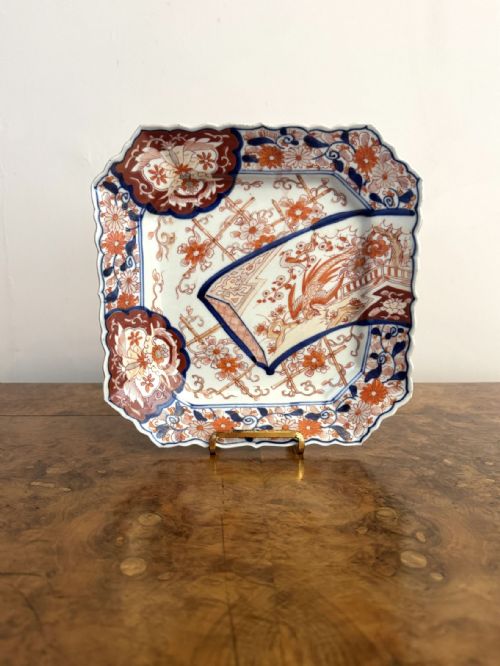
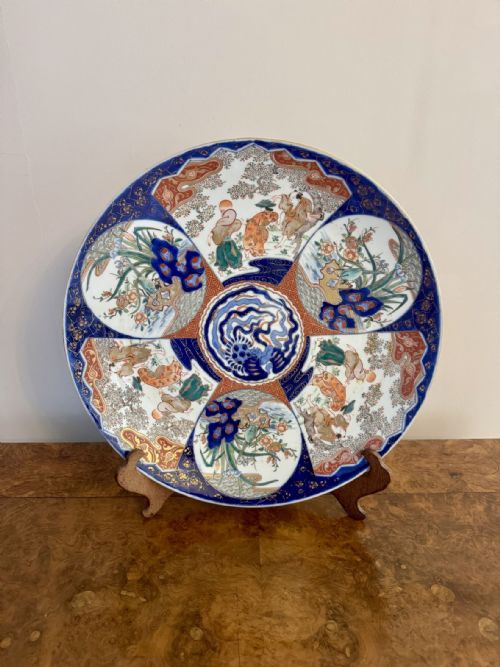
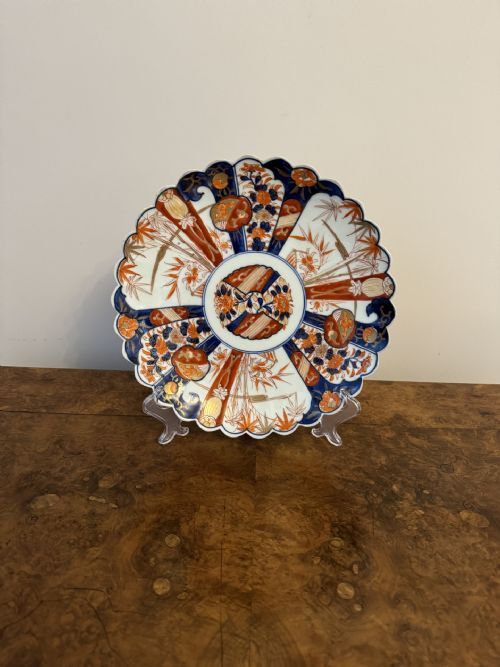
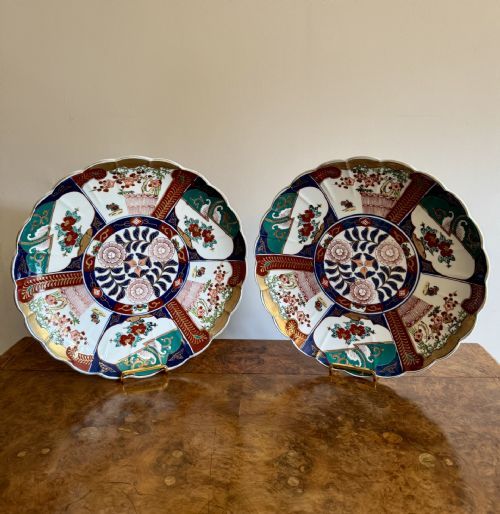
A Japanese ceramic display platter is a substantial decorative dish or charger designed primarily for presentation rather than dining use. The versions you are most likely to encounter here date from the nineteenth century into the early twentieth century, spanning the Edo, Meiji, and Taisho periods.
Many examples showcase classic regional and kiln aesthetics, most notably traditional Japanese Imari patterns. These objects often depict complex motifs such as floral arrangements, birds, and figures like the Seven Lucky Gods.
How they were made
These platters rely on durable porcelain bodies shaped by hand or moulded before receiving detailed decoration. Artisans applied cobalt underglaze pigments and overglaze enamels, frequently enhanced with gilding or gold leaf.
Specialised techniques include cloisonne applications over porcelain, such as Totai Shippo finishes that imitate tree bark textures. Kiln firing fixed the mineral colours and glazes, creating a hard, glossy surface that preserves the hand-painted details.
Materials appearing across the inventory include porcelain, enamel, gold leaf, and cobalt underglaze.
What varies in quality
Quality in a Japanese ceramic display platter rests upon the precision and complexity of the hand-painted brushwork. Superior examples exhibit finely rendered details, balanced compositions, and well-executed floral, animal, or figural subjects.
The richness and depth of the glaze colours, alongside the careful application of gold accents or underglaze cobalt, distinguish standard production wares from outstanding exhibition-grade pieces.
The Japanese Ceramic Display Platter Glossary
- Charger
- A large decorative plate traditionally used for display rather than for serving food. These pieces form the substantial core of the available selection.
- Imari
- A traditional style of Japanese porcelain originating from the port of Arita, characterised by a palette of underglaze blue, iron red, and gold. It dominates the decorative motifs seen across these listings.
- Meiji Period
- The era of Japanese history lasting from 1868 to 1912, associated with significant artistic production and export of fine ceramics. Many items on this page originate from this time.
- Totai Shippo
- A specialised technique where cloisonne enamel work is applied directly to a ceramic or porcelain core. It produces textured surfaces resembling natural materials like tree bark.
Japanese Ceramic Display Platter: Frequently Asked Questions
How do I display a large charger safely?
Large chargers require secure wall hangers designed specifically to support heavy porcelain plates without damaging the rim. Alternatively, heavy-duty display stands hold them firmly upright on furniture.
Ensure the mounting surface or stand is stable, as these ceramic platters possess significant weight.
What is the difference between an Imari plate and an Imari charger?
An Imari charger is significantly larger in diameter than a standard plate, typically created as a centrepiece for visual display. Both share the characteristic Japanese porcelain body and traditional red, blue, and gold palette.
Plates function well in groupings, while chargers serve as standalone visual focal points.
How do I identify a Meiji period piece?
Meiji period ceramics often feature dense, highly detailed hand-painted designs and clear signatures on the reverse. The era spans the late nineteenth and early twentieth centuries, marked by intense craftsmanship for both domestic and export markets.
Examining the base and the complexity of the cobalt underglaze or enamel work helps confirm this timeframe.
Can these platters be used for serving food?
These decorative platters are intended primarily for visual display rather than daily culinary use. The delicate overglaze enamels and gold leaf decorations can wear down with frequent washing and contact.
Enjoying them as wall art or surface display pieces preserves their historic hand-painted surfaces.