


Japanese Bronze Metalwork
These pieces of Japanese bronze metalwork combine masterly casting with intricate patination, offering collectors durable sculptures and vessels originating primarily from the Meiji period.
Japanese Bronze Metalwork
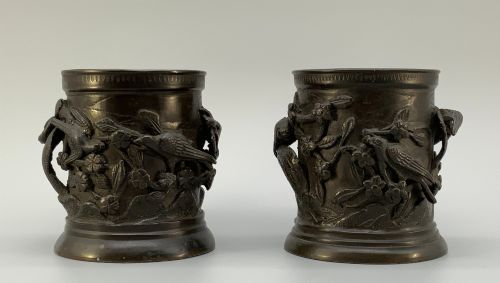
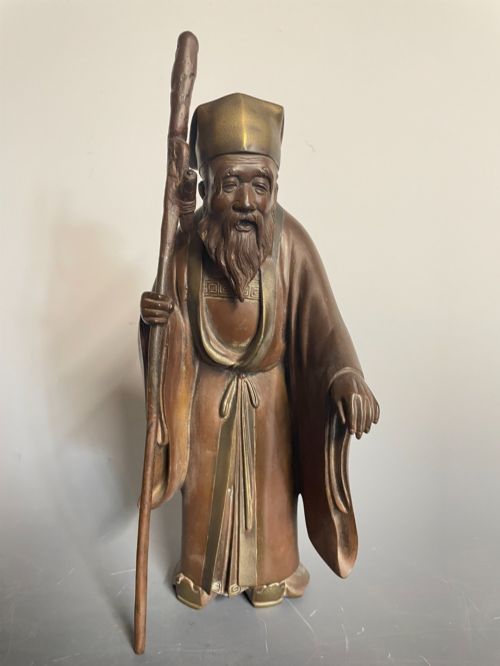
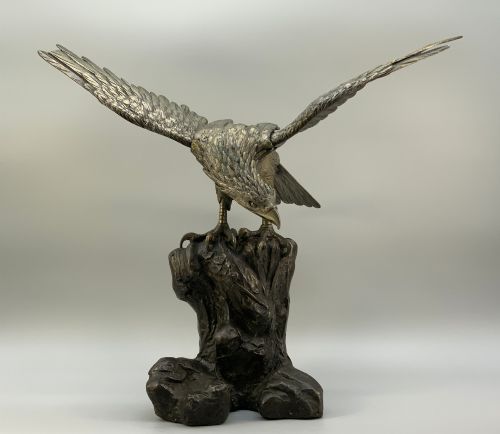
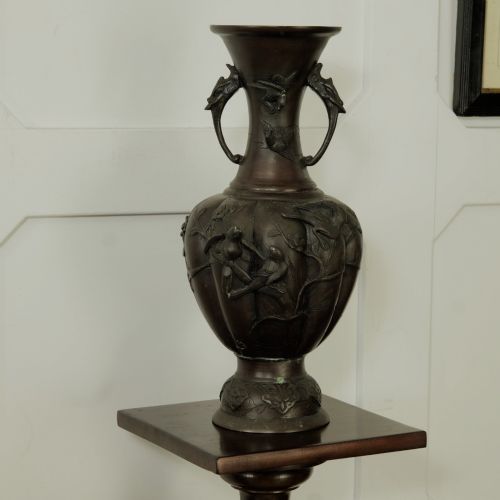
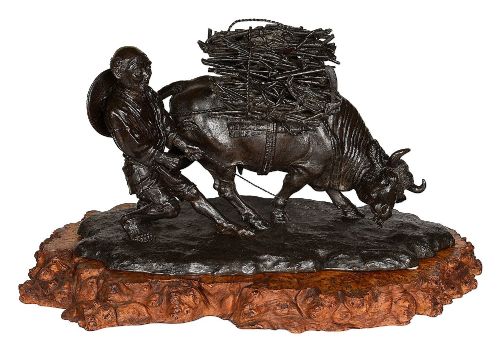
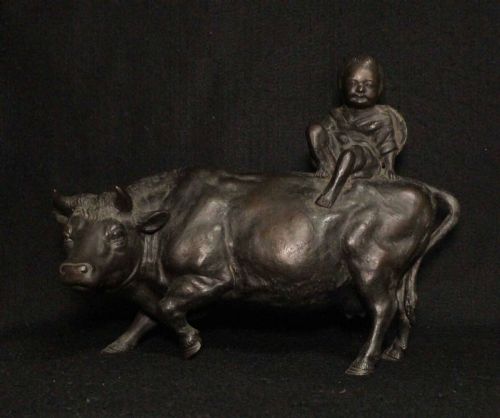
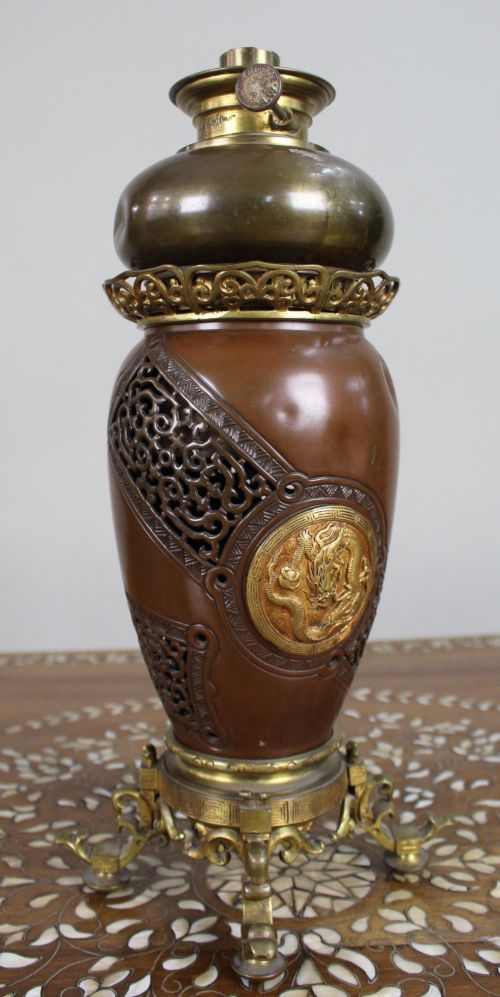
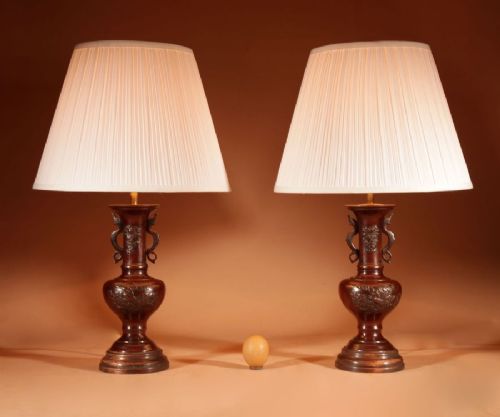
When you examine Japanese bronze metalwork, you encounter a diverse range of objects spanning decorative vessels and sculptural figures. Vases, planters, and oil lamps sit alongside figurative okimono depicting animals, insects, and human subjects.
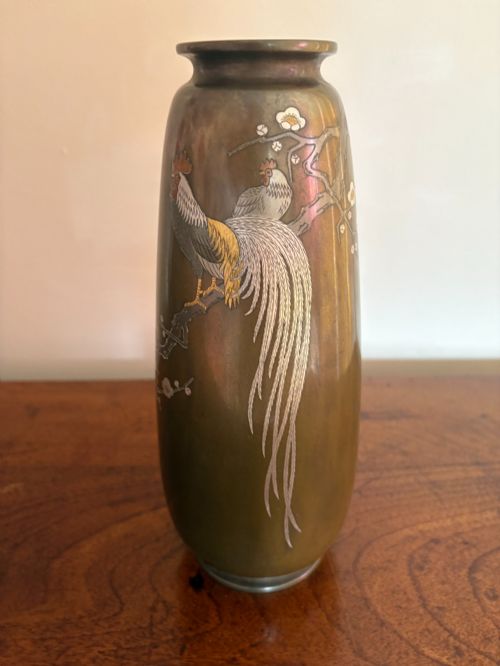
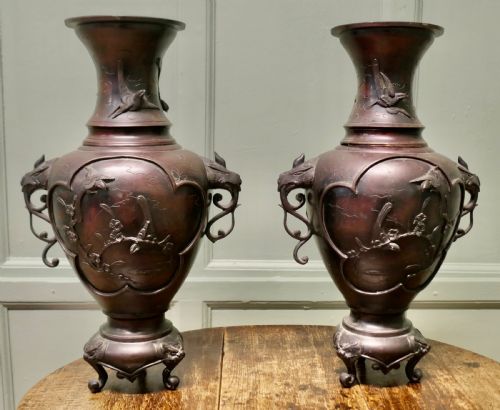
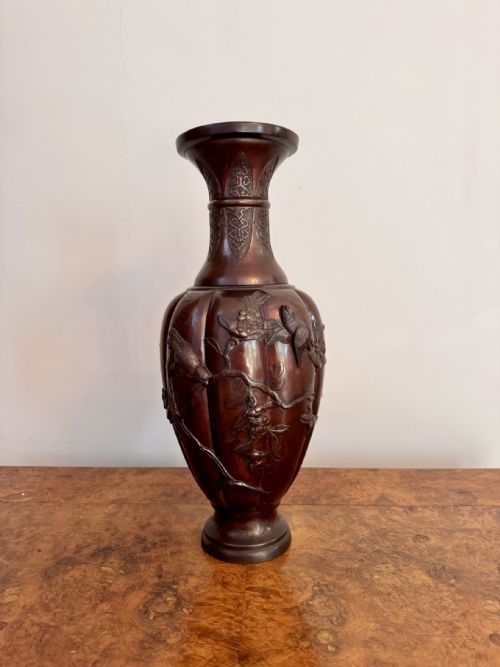
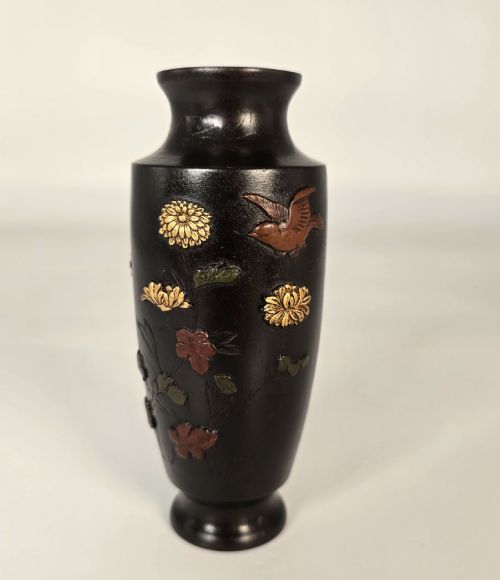
The majority of items originate from the Meiji period, reflecting the prolific output of Japanese metalworkers during the late 19th and early 20th centuries. Vases and animal sculptures form the most frequent encounters on this page, often showing intricate bird and blossom motifs or dynamic subject matter.
Pieces frequently incorporate mixed metals, brass, and copper alongside the dominant bronze medium. Items range from small table sculptures measuring fifteen centimetres to large decorative floor vases and garden jardinieres.
Materials and construction techniques
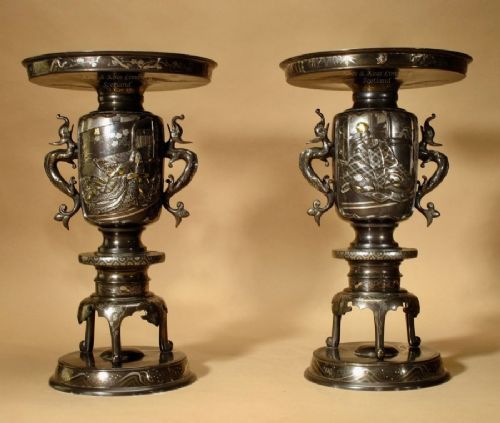
Casting forms the structural basis of these objects, utilising bronze, brass, and copper to create sturdy vessels and detailed animal figures. Artisans frequently employed mixed metals to introduce contrasting metallic tones into the surface design.
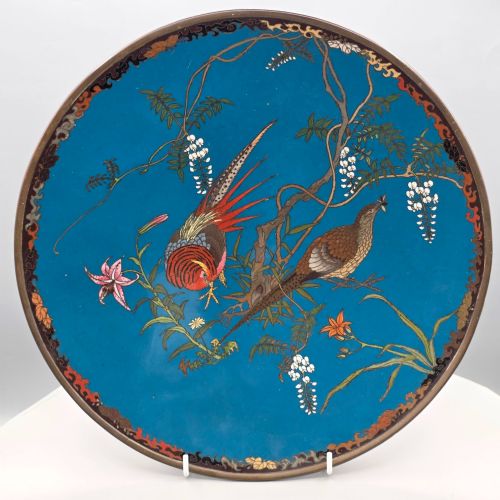
Surface decoration relies heavily on chemical patination, gold inlay, and enamel work to achieve rich visual depth. Artisans integrated fine details through delicate chasing, inlay, and cloisonne techniques on charges and plates.
Current listings feature 19th-century and early 20th-century items utilising bronze, brass, copper, and mixed metals.
Distinctions in quality and execution
Quality reveals itself in the precision of the casting and the subtlety of the patination rather than the sheer weight of the object. Master metalworkers achieved lifelike textures in animal subjects, rendering feathers, fur, and carapaces with anatomical accuracy.
Signed works and pieces associated with noted schools or specific makers display a higher level of compositional refinement in their inlay and mixed-metal detailing. Lesser examples rely on standard cast motifs with simpler, uniform patinas.
KANASAWA·Jomi Eisuke·Kunio Itô·Tsunemitsu
The Japanese Bronze Metalwork Glossary
- Okimono
- A Japanese ornamental statue or sculpture intended for display on a shelf or in a tokonoma alcove.
- Patinated Bronze
- Bronze treated with chemical solutions to produce a specific surface colour or aged finish.
- Cloisonne
- Enamel work created by pouring coloured glass pastes into compartments formed by soldered metal wires on a base plate.
- Shakudo
- A Japanese billon alloy of copper and gold that develops a rich dark purple-blue patina when treated.
- Jardiniere
- A large ornamental pot or container designed to hold growing plants or flowers.
Japanese Bronze Metalwork: Frequently Asked Questions
What periods do these bronzes come from?
The majority of pieces date from the Meiji period, spanning the late 19th and early 20th centuries. Some items also reference the Edo period or early Taisho years.
Datings on these metalworks typically reflect the reign of Emperor Meiji between 1868 and 1912, a time of immense technical innovation for Japanese foundries.
How should I clean bronze metalwork?
Dust bronze pieces gently with a soft dry cloth to protect the original patination and delicate surface finishes. Avoid chemical cleaners and polishes, which can strip away historic patinas and inlay.
Keeping items away from direct sunlight and high moisture helps preserve the stability of mixed metals and enamel elements.
What is mixed-metal decoration?
Mixed-metal decoration involves fusing different metallic elements, such as gold, silver, copper, and brass, into the primary bronze surface. This technique creates contrasting colours and highlights specific details.
Artisans utilised this method to add realistic depth to flora and fauna motifs on vases and scholarly objects.