
Cast Bronze Animal Ornament
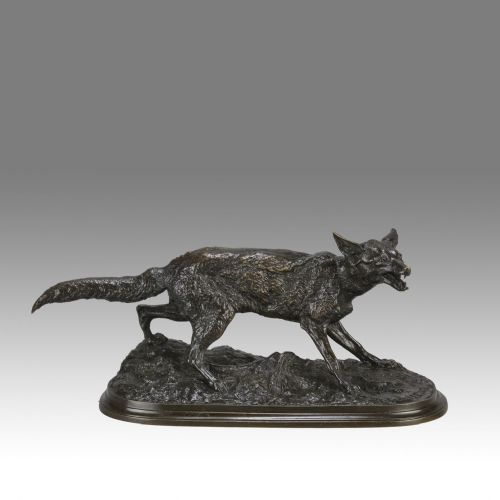
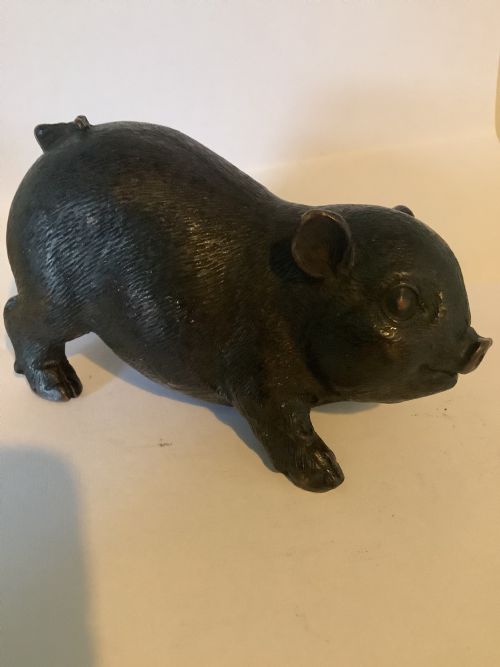
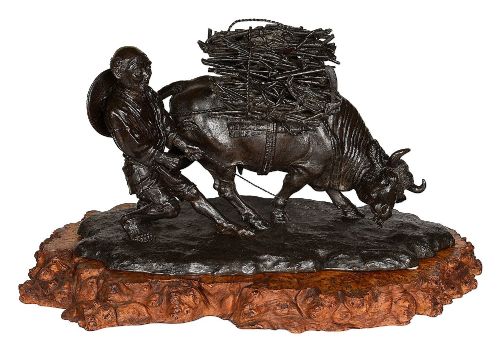
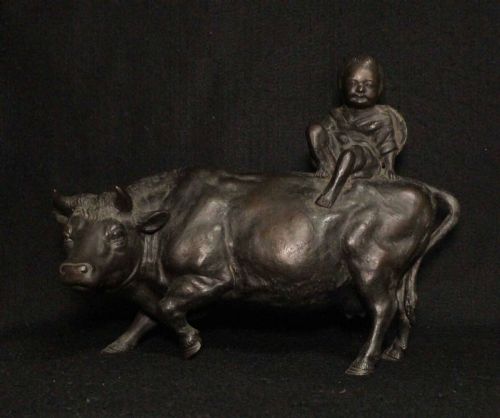
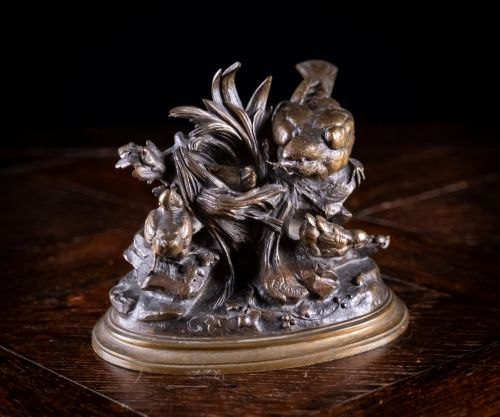
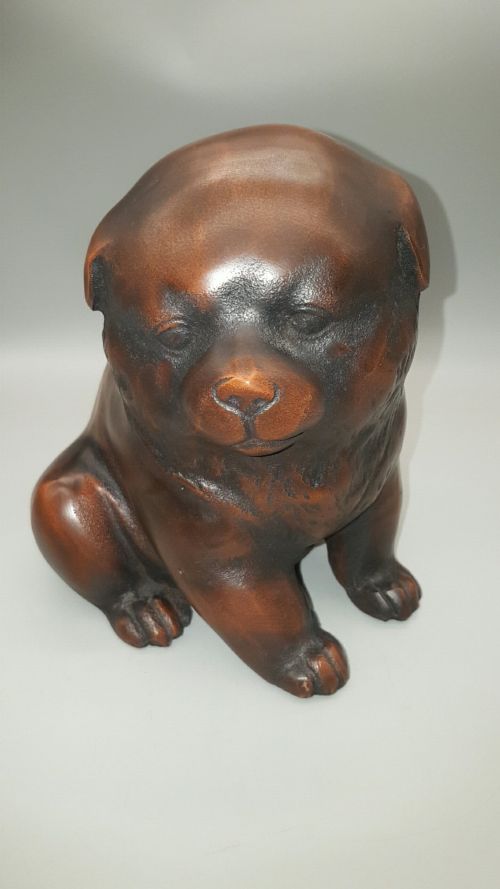
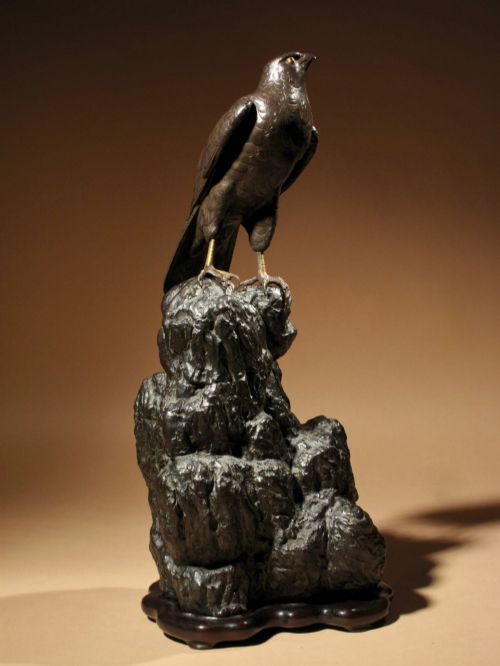
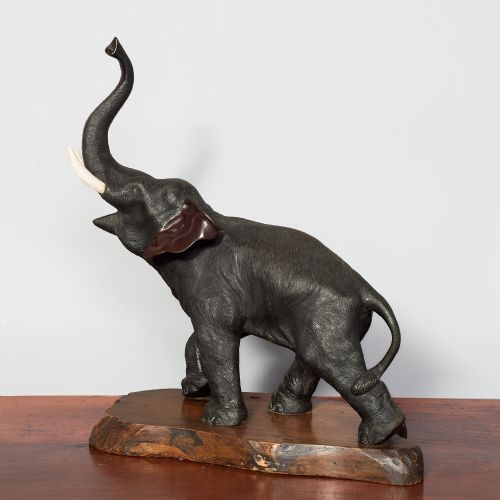
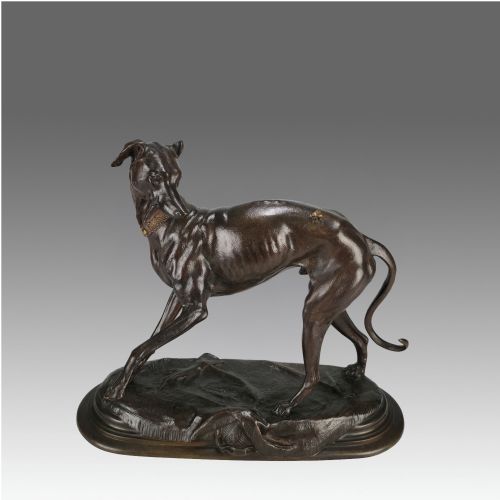
These cast bronze animal ornaments capture real creatures in metal, ranging from French animalier hounds to Meiji period Japanese okimono.

Cast Bronze Animal Ornament
A cast bronze animal ornament is a metal sculpture depicting domestic animals, wildlife, or birds, often mounted on a marble plinth or naturalistic base. When searching this phrase, buyers encounter small desk ornaments, paperweights, fountain spouts, and larger cabinet figures.
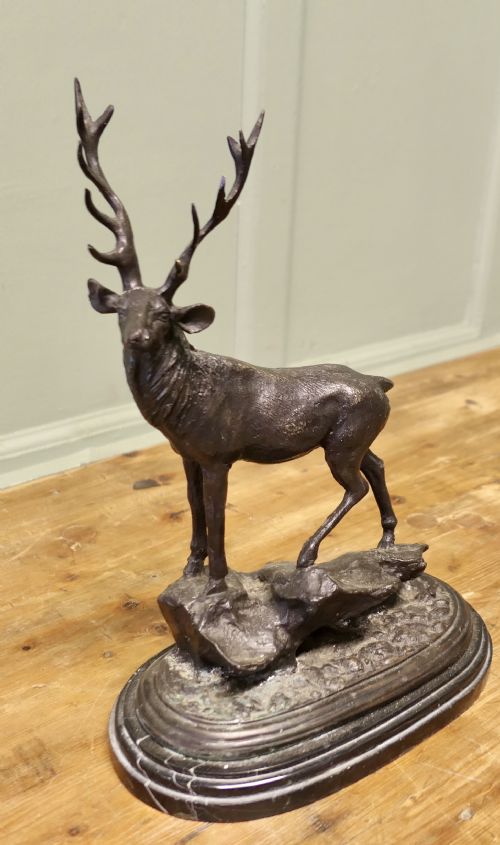
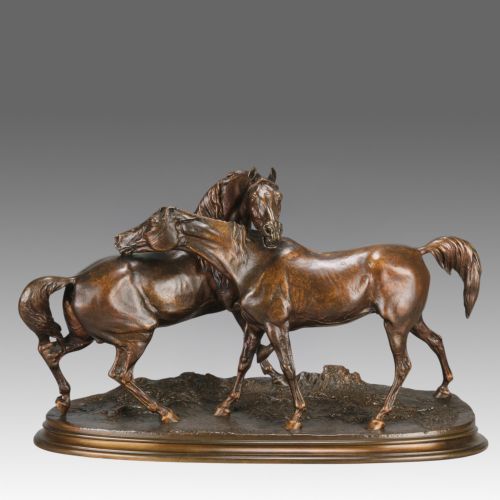
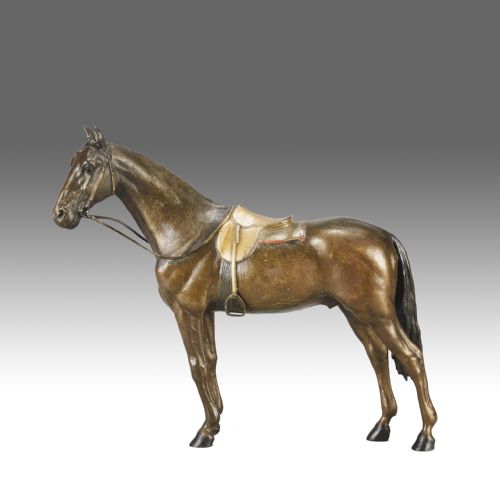
The versions most commonly met on this page originate from nineteenth-century France and the Japanese Meiji period, alongside early twentieth-century Austrian cold-painted works. French pieces typically follow the animalier tradition, focusing on the realistic musculature and movement of stags, bulls, dogs, and big cats.
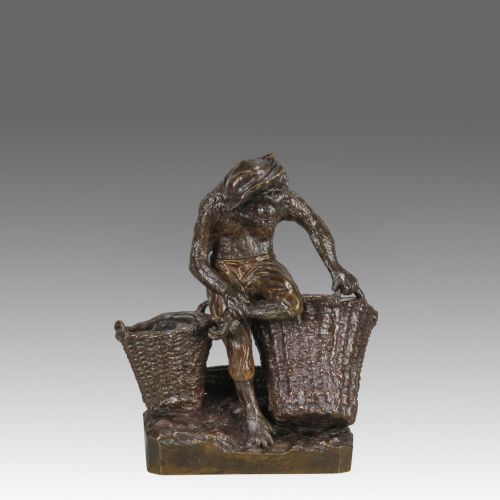
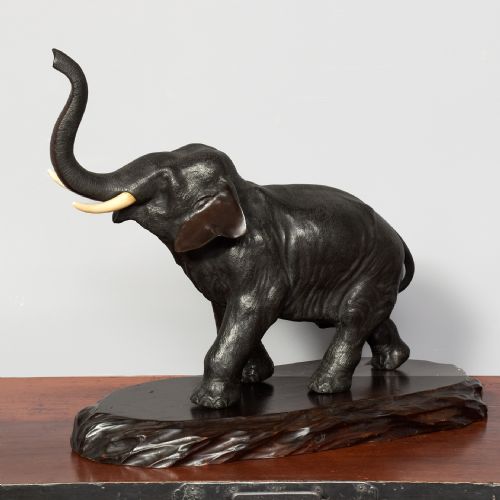
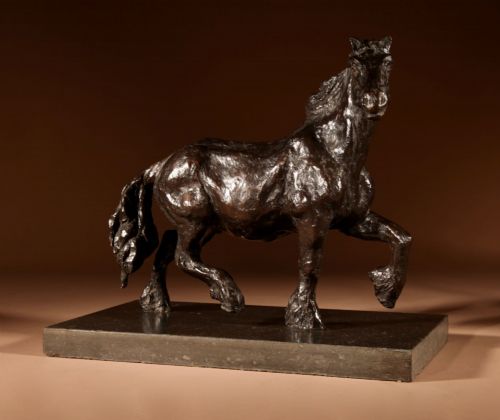
Japanese examples present foxes, bears, elephants, and monkeys utilising intricate surface detailing and patination. European foundry productions range from domestic terriers and pugs to spirited horses and reptiles.
How they were made
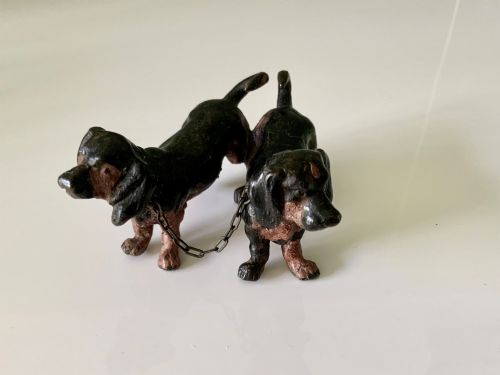
Foundries cast these figures using bronze, sometimes applying a dark patina or paint to the metal surface. Austrian pieces frequently employ cold-painting techniques over bronze, applying polychrome colours by hand after casting.
Certain Japanese and European sculptures incorporate secondary materials such as ivory tusks, wood, and marble bases to support the bronze form. Iron objects with a bronze finish also appear alongside hot-cast bronze sculptures.
Several bronze bears manage to look surprisingly busy while balancing on naturalistic bases with baskets.
What varies in quality
Quality separates through the crispness of the chasing and the fidelity of the anatomical modelling. Master founders achieved sharp definition in fur, feathers, and facial expressions without losing the natural posture of the animal.
The depth and application of the patina or cold-painted surface dictate visual success. Superior examples maintain subtle tonal transitions and secure mountings to marble plinths or naturalistic cast bases.
P J Mêne·Christophe Fratin·Franz Bergman·Alfred Barye·Masaaki·Isadore Bonheur·Antoine L Barye·Edith Parsons
The Cast Bronze Animal Ornament Glossary
- Animalier
- A nineteenth-century artistic movement focused on the realistic portrayal of animals, particularly predators and prey in motion. Sculptors in this tradition studied anatomy closely.
- Cold-Painted Bronze
- A method where bronze figures are painted with oil or enamel colours after casting, rather than firing the pigment at high temperatures. This finish requires careful handling to prevent flaking.
- Okimono
- A Japanese term for a decorative statue or ornament designed for display on a shelf or in a tokonoma alcove. These figures often depict animals with great narrative detail.
- Patina
- A chemical coloration or thin layer formed on the surface of bronze through age or intentional treatment. Founders used various chemical solutions to achieve dark brown, green, or black tones.
Cast Bronze Animal Ornament: Frequently Asked Questions
Where were these animal sculptures displayed?
Victorian and Edwardian owners placed these figures on library desks, antechamber tables, and mantelpieces as decorative conversation pieces. Smaller versions often served practical roles as paperweights in studies and offices.
Garden settings also accommodated specific forms like fountain spouts, while larger cabinet bronzes occupied display cabinets alongside other metalwork and ceramics.
How do I care for a bronze ornament?
Dust the bronze gently with a soft, dry brush to prevent particulate buildup in the recessed areas of the casting. Avoid abrasive cleaners or commercial polishes that strip the original patina.
Keep cold-painted pieces away from direct sunlight and moisture to protect the fragile surface pigments from fading or lifting over time.
What is the difference between French animalier and Meiji bronzes?
French animalier bronzes emphasise muscular tension, anatomical precision, and dynamic action in wildlife subjects such as stags, bulls, and big cats. These works reflect the European academic study of natural history.
Meiji period Japanese bronzes focus on intricate narrative detail, capturing birds, elephants, and bears with nuanced surface textures and naturalistic bases often signed by the maker.
Are these pieces solid bronze?
Most antique animal ornaments are hollow-cast using the lost-wax method to save metal and weight, though smaller desk pieces and paperweights can be solid. Foundries also produced iron alternatives finished with a bronze patina.
Certain figures combine bronze bodies with supplementary elements like ivory tusks or marble plinths, while remaining primarily metal.