



Japanese Blue White Dish
A Japanese blue white dish brings centuries of ceramic skill to a room, offering striking contrast and historic depth.
Japanese Blue White Dish
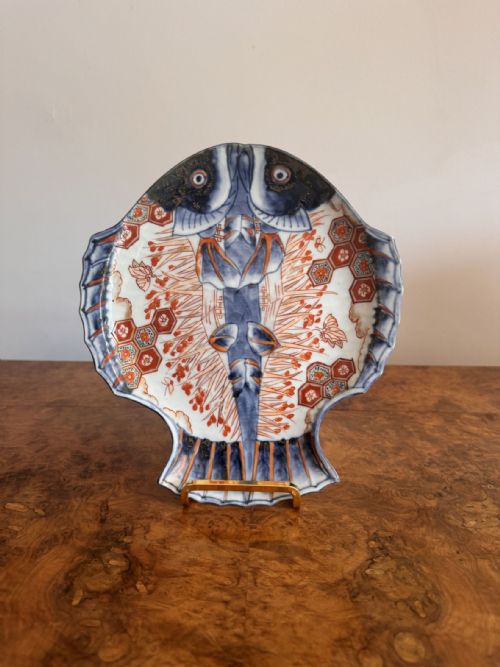
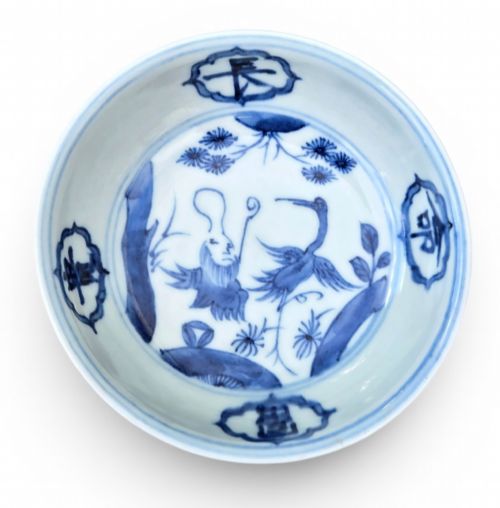
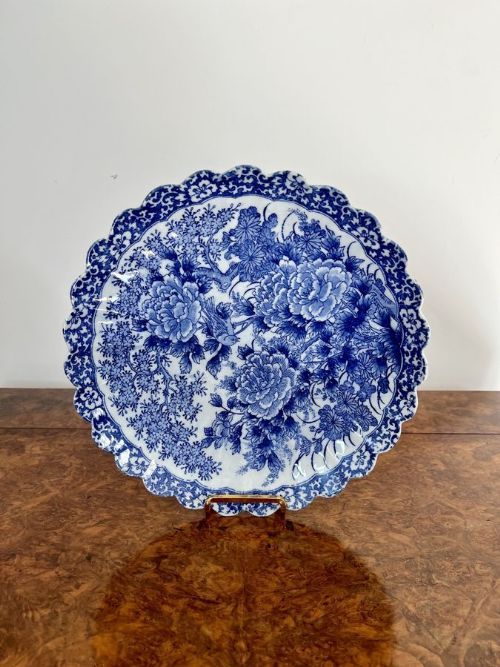
When you search for a Japanese blue white dish, you encounter centuries of ceramic tradition ranging from delicate tablewares to bold chargers. The selections here span the seventeenth century through the Meiji period, featuring forms shaped like fish, fans, and shells alongside traditional round plates and deep bowls.
The pieces you meet most often on this page date from around nineteen hundred and the nineteenth century, showcasing Japanese Imari and Arita styles. Many incorporate cobalt blue painting under the glaze, capturing botanical motifs, cranes, and koi carp.
Earlier examples from the seventeenth and eighteenth centuries appear alongside later Meiji productions, demonstrating the enduring appeal of these painted porcelains. Buyers find both individual display pieces and matched pairs intended for prominent placement.
How they were made
Potters shaped fine porcelain clay by hand or on the wheel before applying cobalt pigment for the blue decoration. Artisans often combined cobalt underglaze with enamel colours or gold leaf accents, particularly in Imari pieces.
Firing took place in high-temperature kilns that fused the glaze to the ceramic body, producing a durable surface. Hand painting ensured that individual dishes received distinct brushwork, whether depicting scrolling foliage or specific animals.
Some plates abandon standard geometry entirely, taking the lively form of swimming fish, fan folds, and sculpted sea shells.
What varies in quality
The refinement of the hand painting distinguishes standard export ware from exceptional artistic output. Precision in the cobalt brushwork and clarity in the white porcelain ground dictate the overall visual impact of a dish.
Form and moulding complexity separate simpler circular plates from unusual shapes like fish, shells, and fans. The depth of the cobalt blue and the successful integration of gold gilt or enamel details elevate certain chargers and bowls above others.
Fuku Mark
The Japanese Blue White Dish Glossary
- Arita
- A Japanese town famous for its porcelain production since the early seventeenth century. Kilns in this region produced many of the blue and white wares found today.
- Imari
- A style of Japanese porcelain exported from the port of Imari, typically featuring cobalt blue and iron red, sometimes with gold highlights. It remains a cornerstone of antique Asian ceramic collections.
- Meiji
- The period in Japanese history spanning from eighteen sixty-eight to nineteen twelve, characterised by significant artistic output and increased export to the West. Wares from this era often display meticulous hand painting.
- Underglaze
- A decoration technique where pigments are applied to the ceramic body before the glaze is added. This protects the blue design beneath a glassy protective layer.
- Charger
- A large decorative plate intended for display rather than routine dining. These pieces often feature the most elaborate cobalt blue designs.
Japanese Blue White Dish: Frequently Asked Questions
How do I date a Japanese blue white dish?
Examine the base, the style of the cobalt blue pigment, and any associated reign marks or kiln signatures. Comparing the potting technique and form with documented seventeenth-century or Meiji examples helps establish the likely period.
Changes in painting style from rigid geometric borders to more naturalistic scrolling foliage also offer clues to the decade of production.
Were these dishes used for dining?
While many smaller plates and bowls served functional roles in Japanese households, larger chargers were primarily ornamental. Export wares often catered to Western tastes for display in cabinets or on walls.
Set items like sushi plates indicate practical table use, whereas deep saucer-dishes and lobed vessels fulfilled specific ceremonial or serving purposes.
What is the difference between Arita and Imari?
Arita refers to the production centre where the porcelain was fired, while Imari describes the decorative style associated with wares shipped through the port of Imari. Many Arita pieces incorporate Imari colouring.
Pure blue and white pieces from Arita rely entirely on cobalt pigment without the supplementary red and gold typical of classic Imari palettes.
How should I display a charger safely?
Use a sturdy, well-fitted metal or wooden wall hanger designed to distribute the weight evenly across the rim and base. Ensure the display surface or wall fixing is secure.
Keep porcelain away from areas prone to heavy vibration or direct sunlight to protect the glaze and any subtle gold gilt highlights.