

Jacobean Carved Panels
Jacobean carved panels are sturdy oak fragments of domestic history that bring structural depth and period character to an interior.
Jacobean Carved Panels
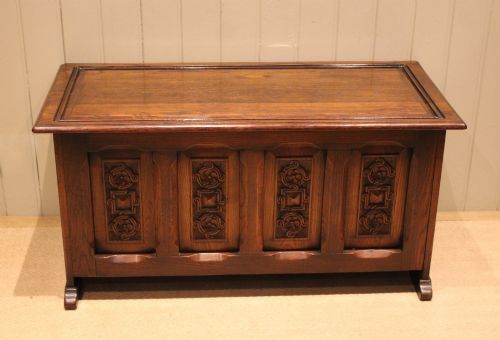
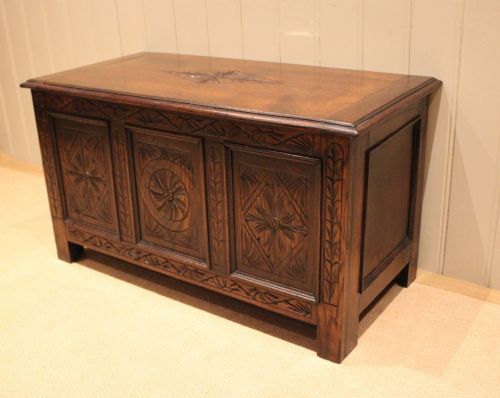
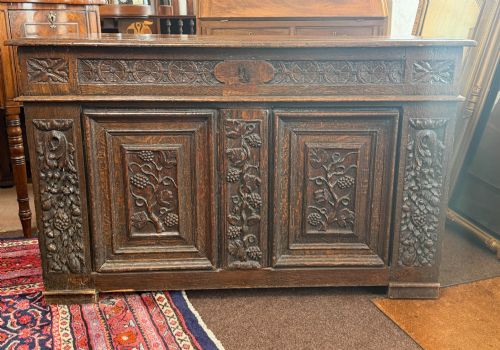
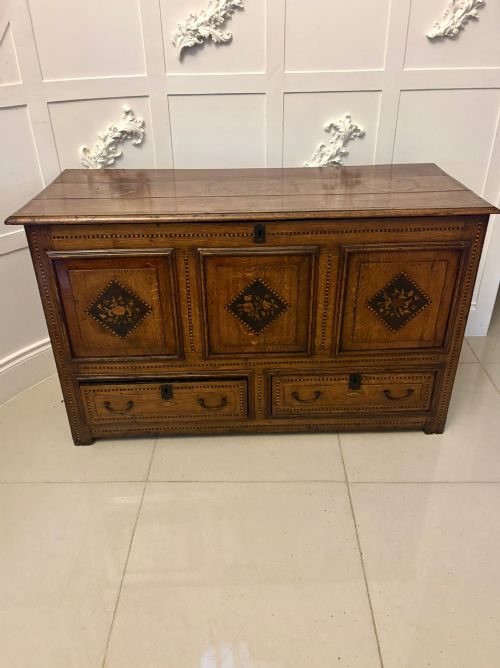
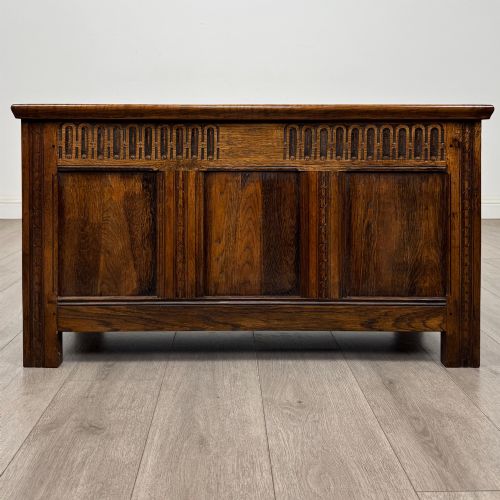
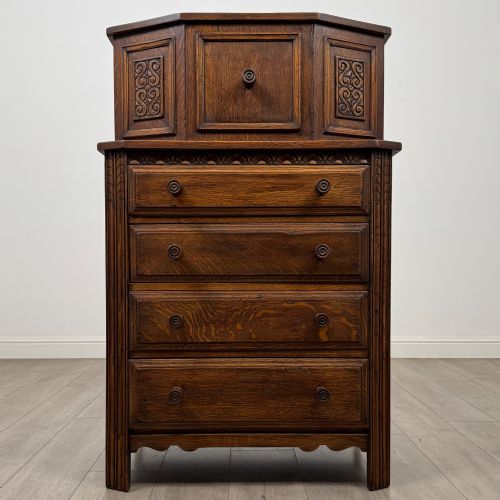
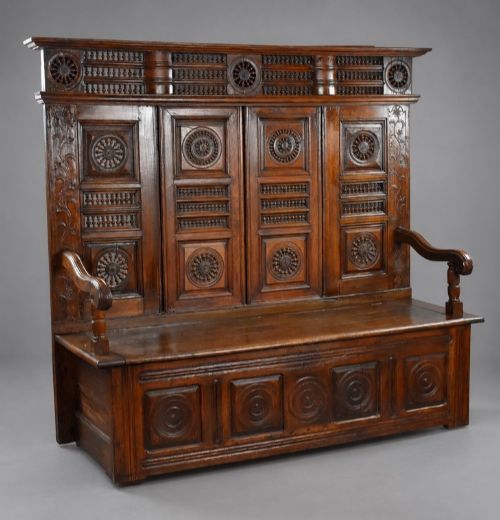
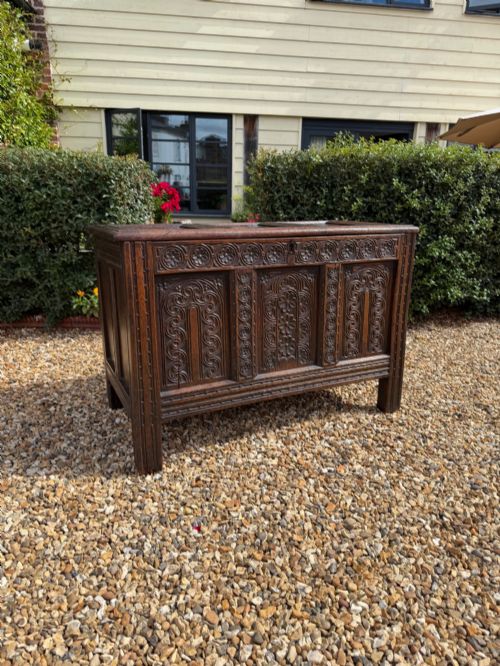
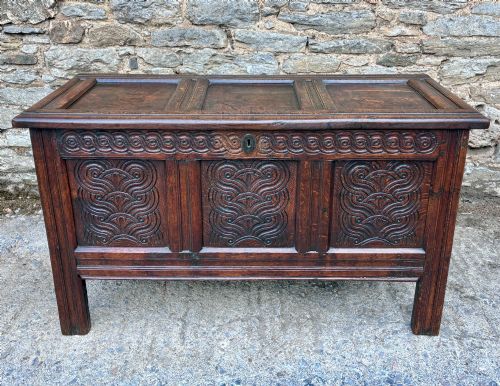
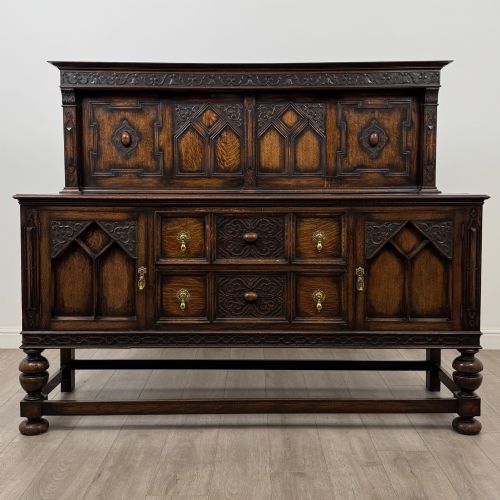
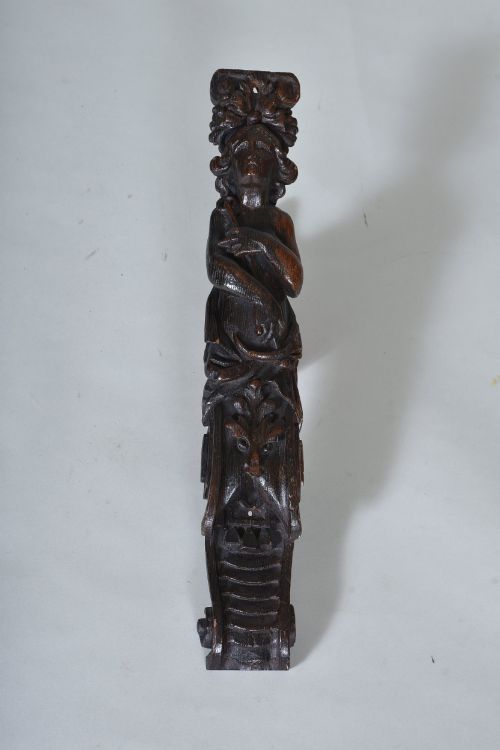
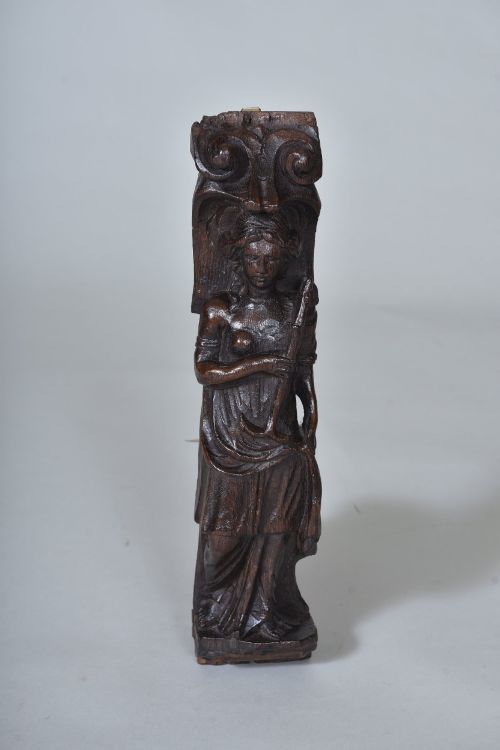
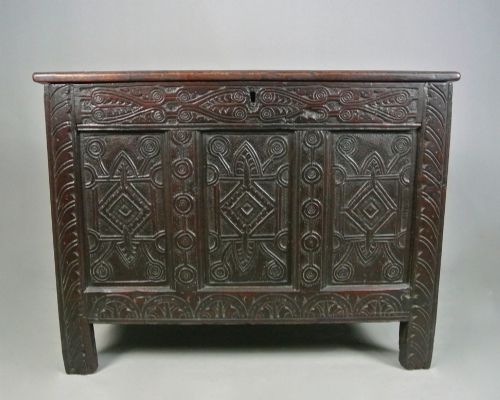
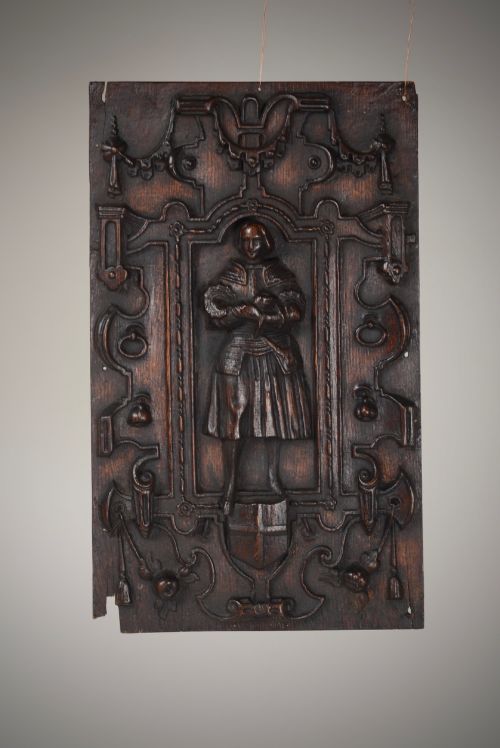
When you search for jacobean carved panels, you encounter structural woodwork and decorative fragments originating primarily from the seventeenth century, alongside later revival pieces. The listings include individual carved panels, linenfold panels, and integrated elements within larger forms such as coffers, chests of drawers, wainscot armchairs, and cupboards.
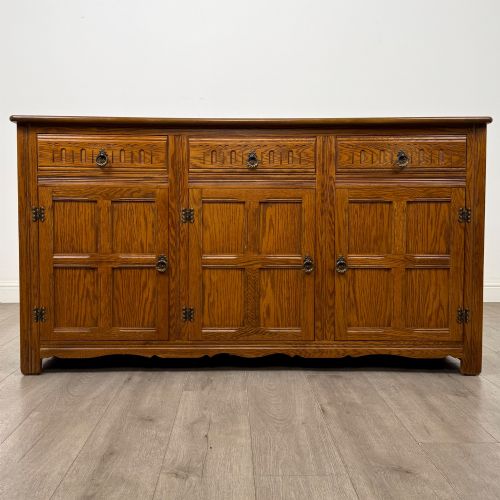
The material identity is rooted firmly in oak, spanning both authentic seventeenth-century examples and later interpretations from the Victorian, Edwardian, and twentieth-century periods. These items serve either as standalone architectural decorations like overmantel panels or as functioning items of furniture bearing traditional carved ornamentation.
How they were made
The construction relies heavily on solid oak, worked manually using traditional joinery methods such as mortise and tenon frames to house the carved panels. Artisans shaped the dense timber with hand chisels, applying high-relief carving, marquetry inlay, or linear motifs directly into the wood.
Secondary materials such as brass and iron appear in functional hardware like hinges and locks on the larger chests and cupboards. The surface finishes develop naturally through age and wax application, highlighting the grain of the dark, golden, or plain oak without synthetic varnishes.
Among the carved faces and formal foliage, a sixteenth-century panel quietly preserves the resolute gaze of Joan of Argentan.
What varies in quality
Quality rests in the crispness of the hand-carved detail and the depth of the relief work across the oak surface. Pieces featuring intricate figurative scenes or well-defined geometric patterns show a higher grade of craftsmanship than simpler, flatter mouldings.
The integrity of the timber and the retention of original joinery differentiate standard items from superior examples. Evidence of period construction methods without extensive modern timber replacement elevates the standing of an individual panel or fitted piece of furniture.
The Jacobean Carved Panels Glossary
- Wainscot armchair
- A heavy wooden chair constructed from oak with panelled backs and solid armrests. These pieces date back to early English domestic interiors.
- Linenfold
- A style of wood carving that mimics folded fabric or linen. This technique was popular on panels during the sixteenth and seventeenth centuries.
- Marquetry inlay
- The art of applying decorative pieces of veneer into a solid wood structure to form geometric or pictorial designs. It adds contrasting tones to the oak surface.
- Overmantel panel
- A decorative wooden panel designed to be mounted above a fireplace. These often display central carvings or heraldic motifs.
Jacobean Carved Panels: Frequently Asked Questions
How were these panels used originally?
These carved panels formed the structural walls of furniture like coffers and cupboards, or decorated the interior walls of substantial homes.
Over time, individual sections became detached and were repurposed as decorative overmantels or collected as standalone artworks.
Are these panels actually from the seventeenth century?
The inventory includes genuine seventeenth-century items alongside later revival pieces made during the Victorian, Edwardian, and twentieth-century eras.
Examining the tool marks, timber shrinkage, and joinery style helps distinguish authentic period work from later craftsmanship.
How do I care for antique oak furniture?
Maintain the wood by applying a traditional beeswax polish occasionally to nourish the dry oak and preserve the surface sheen.
Keep the pieces away from direct heat sources and sudden humidity changes to prevent the timber from splitting.
What is the difference between Jacobean and revival pieces?
Original Jacobean pieces date directly from the early seventeenth century and carry the wear of centuries of continuous domestic use.
Revival pieces were manufactured later in history, often adopting the distinct heavy carving and dark oak aesthetic of the earlier era.