
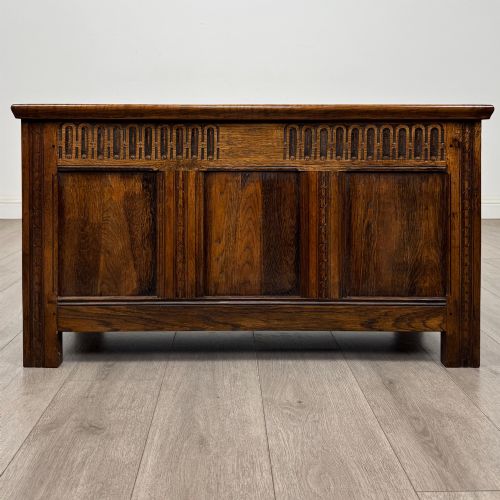

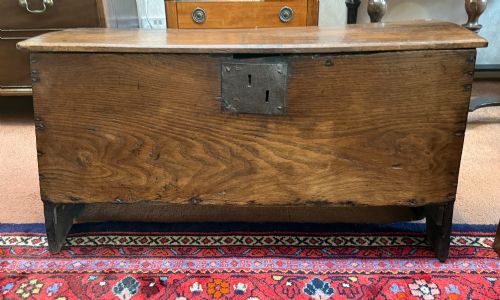
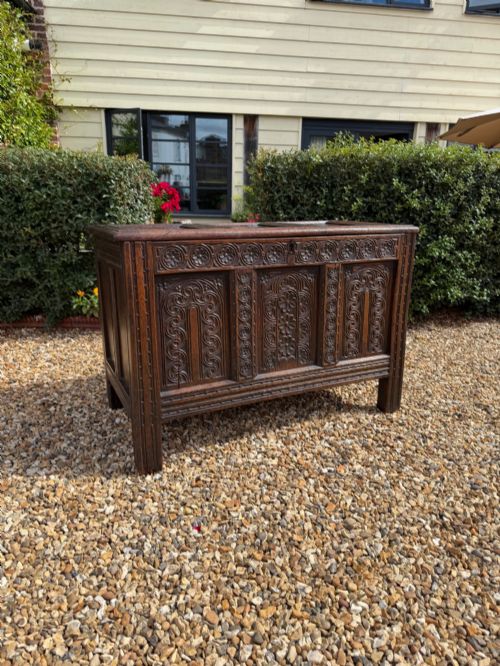
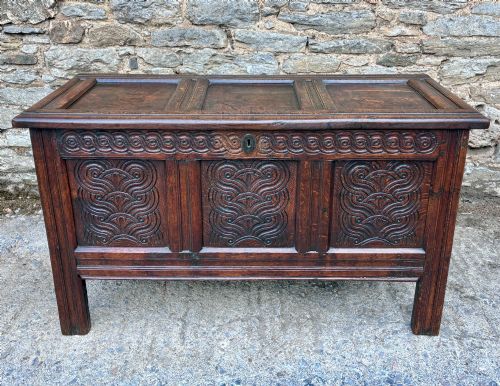
Jacobean Blanket Box
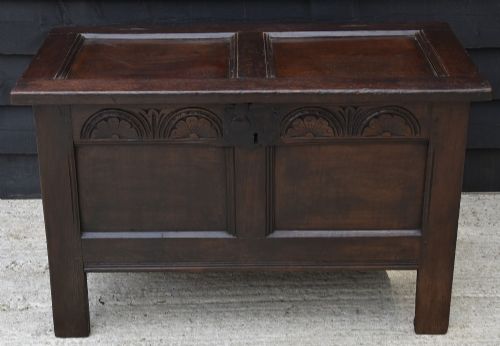
When you handle a jacobean blanket box, you touch heavy timber storage furniture built to hold linens and valuables in early British homes.
Jacobean Blanket Box
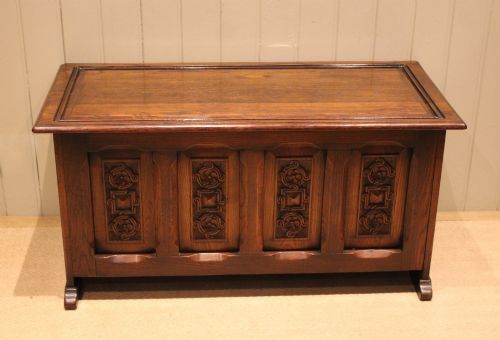
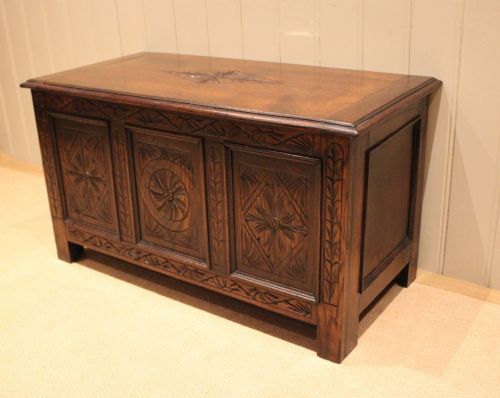
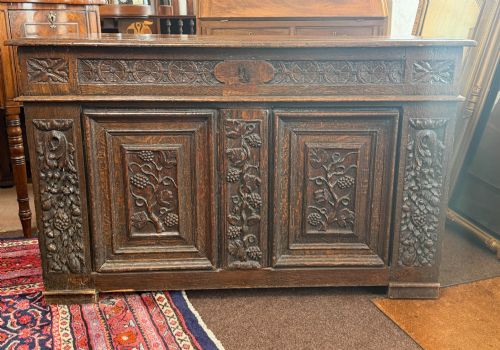
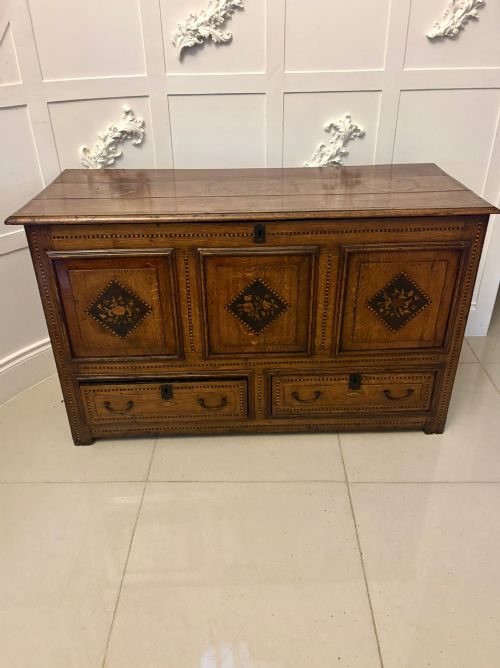
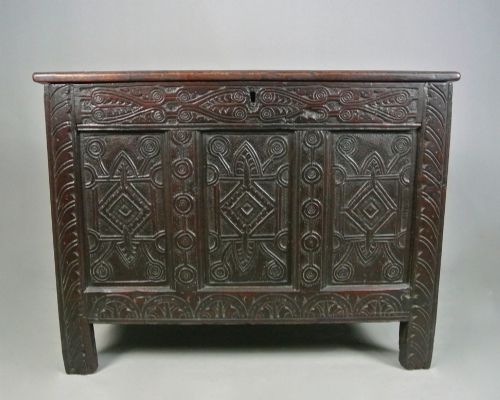
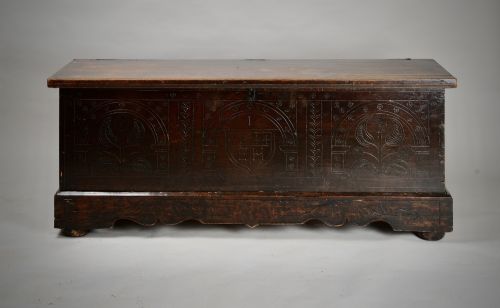
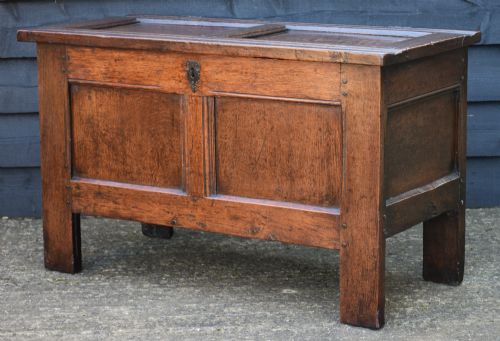
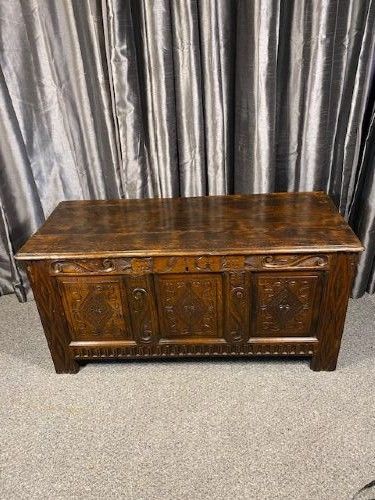
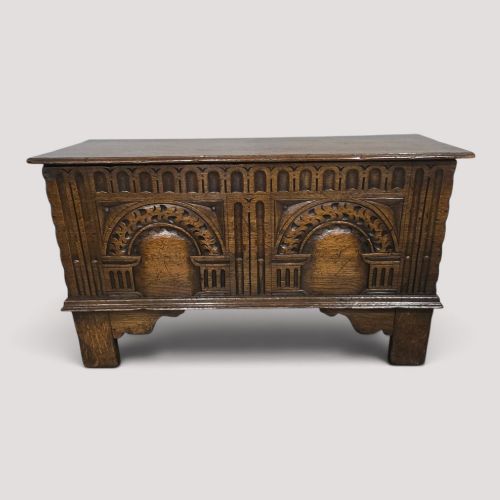
A jacobean blanket box is typically encountered as a heavy timber coffer or storage chest originating from the seventeenth century or built in later revival styles. These pieces function primarily as domestic storage containers, often taking the form of panelled coffers, mule chests with lower drawers, or specialised sword and box stools.
Materials and Construction
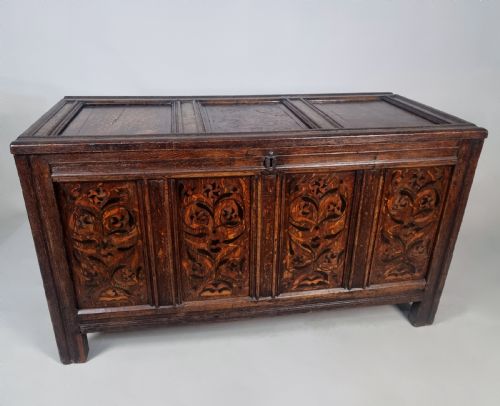
Construction relies heavily on solid oak joined together using traditional framing methods, supplemented by iron hinges and brass fittings where appropriate. Many examples incorporate intricate wood carving, while others feature marquetry inlay or mixed inlay woods to decorate the panels.
Surface treatments include ebonised wood details alongside natural wax finishes that highlight the grain of the timber. Surviving pieces demonstrate the durable joinery techniques typical of early English furniture workshops.
Jacobean Blanket Box Retail Price Guide 2026
Typical asking prices for jacobean blanket box among the pieces listed under this phrase on Sellingantiques today, from the lower quarter to the upper quarter. They describe what is for sale here now, not the wider market.
Assessing Quality
Quality in these storage pieces depends heavily on the crispness of the original hand carving and the integrity of the joined oak frame. Examples with intact period joinery, authentic surface patination, and sophisticated marquetry inlay stand apart from simpler or later revival iterations.
Proportions also dictate distinction, with smaller scaled coffer boxes and miniature formats drawing particular appreciation. The presence of period decoration, such as linenfold panelling or dated inscriptions, further separates standard functional boxes from exceptional examples.
The Jacobean Blanket Box Glossary
- Coffer
- A heavy timber storage chest with a hinged lid, used historically for valuables and textiles. It forms the primary category for this search phrase.
- Mule Chest
- A storage chest featuring one or more drawers beneath the main lift-top compartment. This form bridges the gap between traditional coffers and modern chests of drawers.
- Linenfold
- A style of wood carving that mimics folded fabric, commonly seen on seventeenth-century panels. It provides texture and visual depth to plain timber surfaces.
- Marquetry Inlay
- Decorative patterns created by fitting contrasting wood veneers into prepared recesses. This technique adds pictorial or geometric enrichment to the box front.
- Joined Oak
- Furniture constructed using mortise and tenon joints secured with wooden pegs rather than metal nails. This method defines the sturdy build of early English pieces.
Jacobean Blanket Box: Frequently Asked Questions
What is a jacobean blanket box used for?
These robust timber chests served as secure storage for household textiles, garments, and valuables in early homes. Their flat lids also allowed them to function occasionally as impromptu seating or tables within a room.
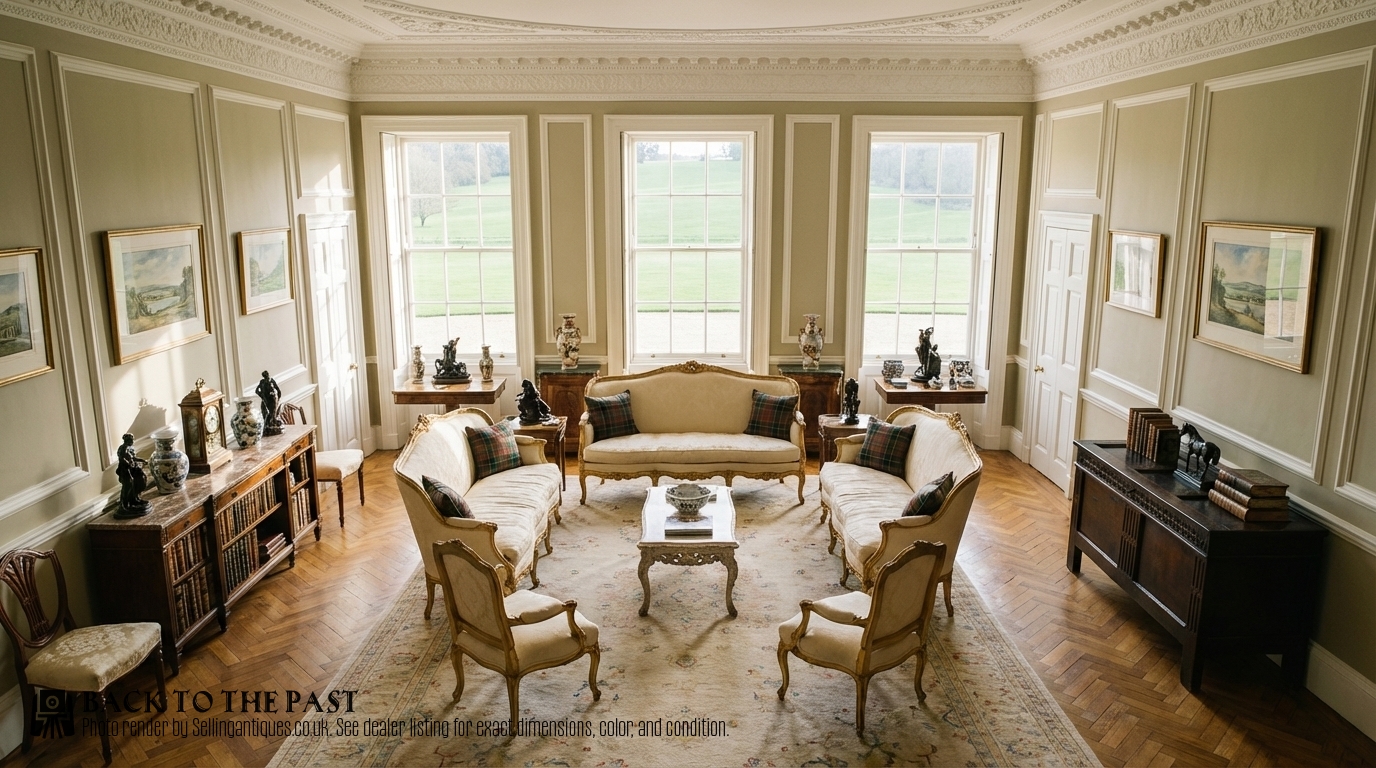
Today, they suit modern interiors as practical storage furniture for blankets and living room items while retaining a strong historical presence.
How do I tell an original from a revival piece?
Original seventeenth-century examples display authentic hand-cut joinery, pegged framing, and natural wear patterns accumulated over centuries of use. Wood shrinkage and historical tool marks offer reliable clues to genuine age.
Revival pieces from the early twentieth century often utilise mechanised cutting techniques and feature uniform surfaces that lack the accumulated patination of genuine early items.
What is the difference between a coffer and a mule chest?
A standard coffer consists of a single compartment accessed via a hinged lid at the top. This represents the most common form found in early seventeenth-century inventories.
A mule chest incorporates one or more drawers beneath the main storage well, offering easier access to contents without requiring the lid to be lifted entirely.
How should I care for an antique oak box?
Maintain the timber by applying a microcrystalline wax polish sparingly to nourish the dry oak and protect the surface. Avoid placing the box near direct heat sources or in fluctuating humidity to prevent wood splitting.
Keep the interior clean and dry to ensure stored textiles remain safe from moisture and dampness over time.