






Italian Renaissance Painting
When you search for italian renaissance painting, you step into centuries of classical portraiture, religious iconography, and vibrant revival works.
Italian Renaissance Painting
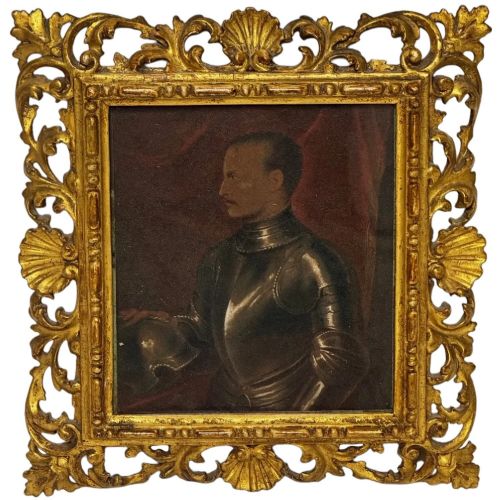
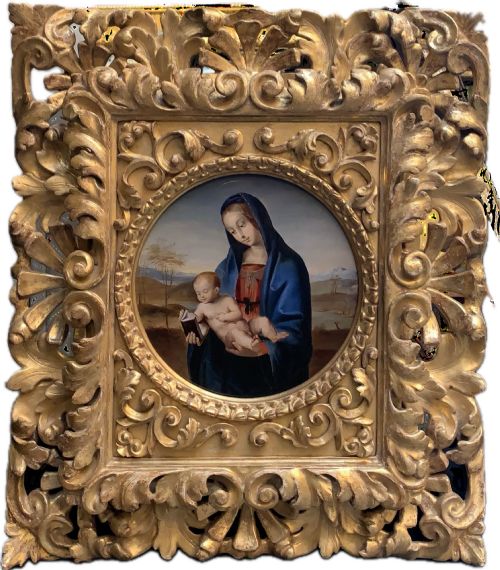
An italian renaissance painting encompasses portraits of noblewomen, religious studies of the Madonna and Child, and mythological scenes originating from the sixteenth century onward. These works capture the humanist ideals and precise draftsmanship that defined the period across Italy.
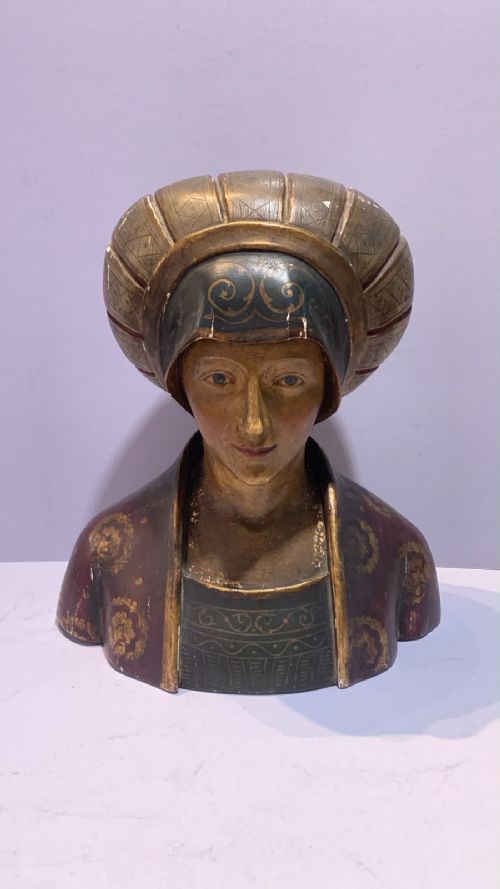
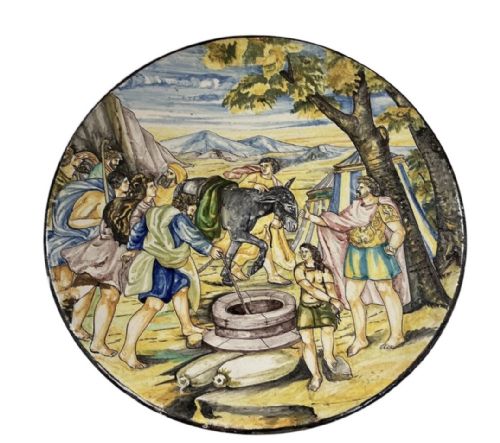
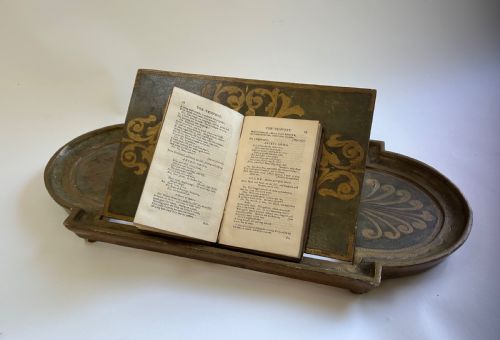
Buyers will encounter both original sixteenth-century panels and later revival pieces produced during the nineteenth and twentieth centuries. The selection also extends to related decorative arts including maiolica chargers, hand-painted wooden book covers, and carved giltwood frames that echo the aesthetic.
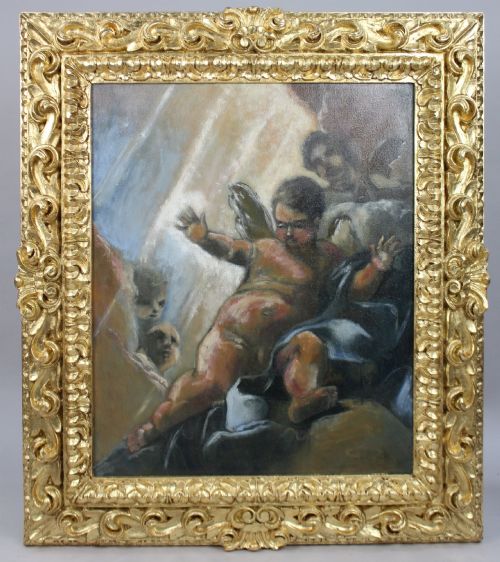
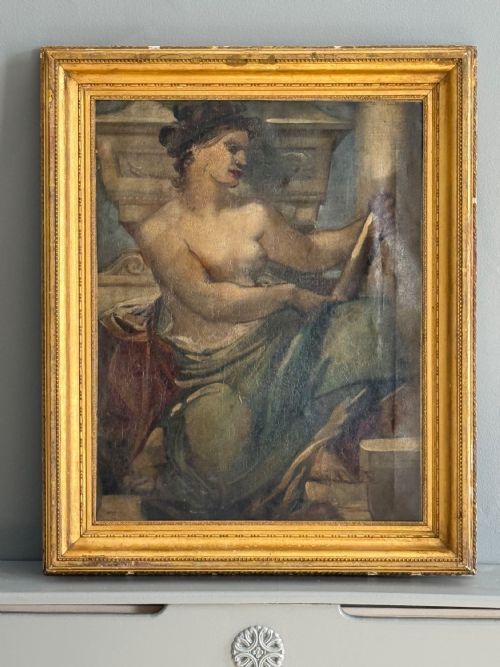
The most frequent examples on this page are oil on canvas portraits and devotional paintings, ranging from direct follower pieces to nineteenth-century interpretations after masters like Raphael and Correggio.
How they were made
Painters relied primarily on oil on canvas or wooden panel supports, building rich compositions through layered pigment and subtle glazes. Gilding with gold leaf upon gesso and carved wood added luminous borders and decorative depth to frames, chests, and devotional panels.
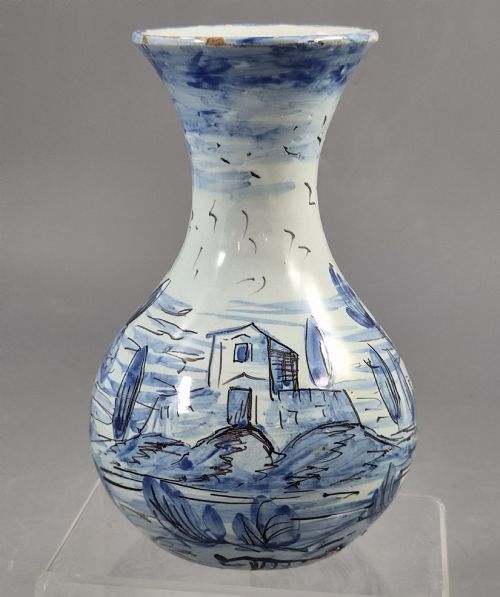
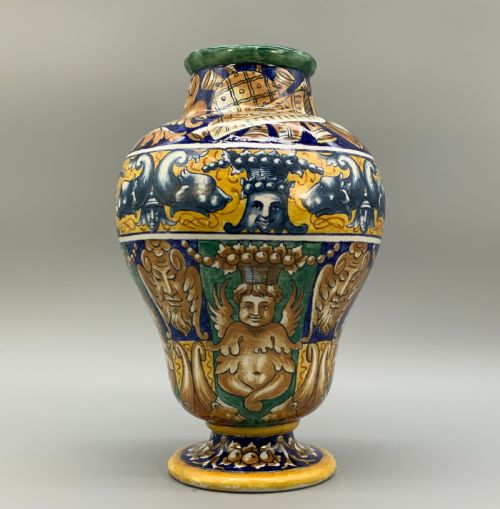
Ceramic objects such as vases and chargers utilised earthenware bodies coated in tin glaze for the white ground required in maiolica painting. Artisans then applied polychrome pigments directly onto the unfired glaze to achieve the characteristic historical and floral scenes of the Urbino and Savona styles.
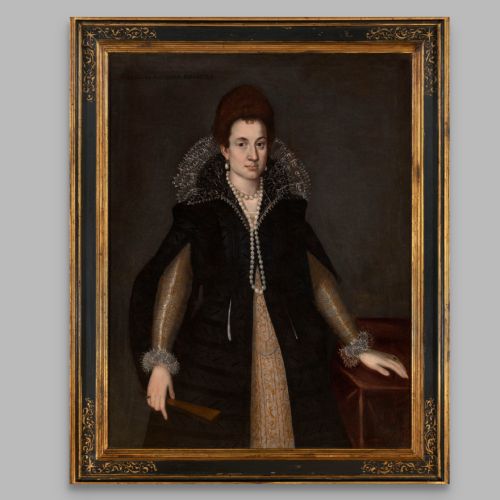
Several noblewomen gaze outward across the centuries, occasionally accompanied by very serious-looking Renaissance dogs.
What varies in quality
The standard of execution in figure drawing and facial expression separates masterworks from routine decorative copies. Subtle handling of light, shadow, and anatomical proportion indicates the hand of a skilled workshop or a more accomplished revivalist.
Material preservation dictates the integrity of each piece, from the stability of the canvas and wood grain to the intactness of original gesso ornamentation and tin-glazed surfaces. Later works gain distinction through documented attribution and the fidelity of their homage to the original masters.
White Allom And Co·Icilio Federico Joni·Ulisse Cantagalli
The Italian Renaissance Painting Glossary
- Maiolica
- Tin-glazed Italian earthenware decorated with colourful pigments on a white opaque background. This technique reached its peak during the Renaissance for decorative vessels and chargers.
- Istoriato
- A style of maiolica decoration where narrative scenes, often historical or mythological, cover the entire surface of the ceramic piece. The term translates directly to historiated or painted with stories.
- Cassone
- A rich chest or coffer traditionally used in wealthy Italian households for storing bridal trousseaus. These walnut pieces frequently feature carved decoration and gilding.
- Gesso
- A plaster mixture applied to wood or canvas as a smooth base for painting or gilding. It provides a stable surface for intricate carved details.
- Tavolette
- Painted wooden book cover bindings associated with Sienese archives and the Biccherna aesthetic. These panels display miniature historical or administrative artwork.
Italian Renaissance Painting: Frequently Asked Questions
How do I distinguish a sixteenth-century original from a nineteenth-century revival piece?
Examination of the canvas weave, wood ageing, and pigment composition offers the primary clues to a piece's true age. Original sixteenth-century works show natural material fatigue and period-specific framing methods.
Nineteenth-century revival paintings often display cleaner stretcher bars and stylistic traits characteristic of Grand Tour copies or deliberate historicism.
What is maiolica and how does it relate to these paintings?
Maiolica is tin-glazed earthenware produced in Italy, sharing the vibrant polychrome palette and narrative themes found in Renaissance panel and canvas works. Many decorative pieces on this page draw directly from the pictorial styles of Urbino and Florence.
Potteries like Cantagalli reproduced these historic techniques during the nineteenth century, creating ceramic counterparts to the era's oil paintings.
Where should I hang an oil painting of this scale?
These works suit traditional reception rooms, libraries, or hallway spaces where deep wood tones and classic architecture complement the rich gilt frames. Placing them away from direct sunlight protects the oil pigments and canvas integrity over time.
Pairing a canvas with complementary furniture like walnut cabinets or sgabello chairs enhances the historical interior aesthetic.
Why are so many pieces attributed to followers of master painters?
Renaissance workshops operated through masters training apprentices who produced works in the precise style of the studio. Later artists also painted direct homages to masters like Raphael or Leonardo da Vinci for collectors on the Grand Tour.
Attributions to a circle or follower indicate that a painting shares the technique and composition of a master without being an autograph primary work.