


Italian Pricket Holders
These Italian pricket holders are altar-style candle supports shaped by centuries of devotional and domestic lighting traditions.
Italian Pricket Holders
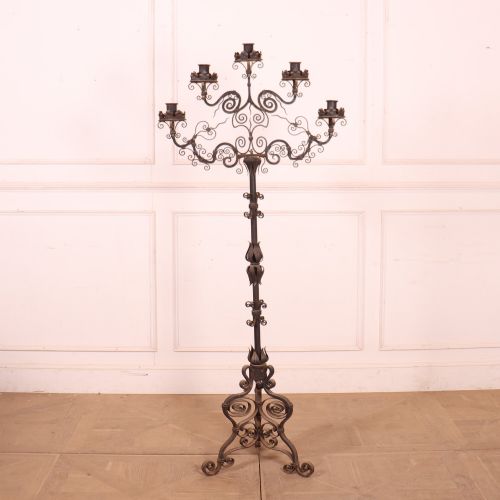
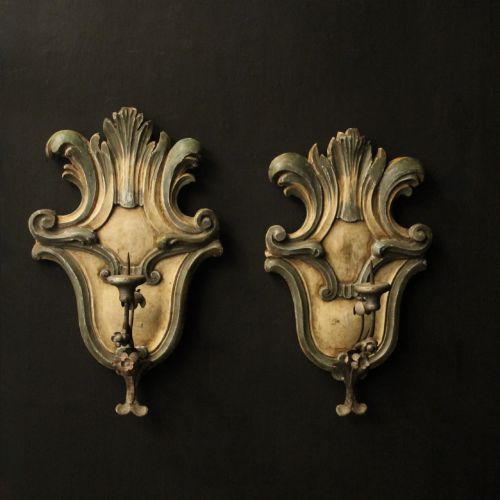
These pieces are lighting items designed to hold candles upright on a central spike rather than in a socket. The selection spans floor-standing altars, wall sconces, and smaller table candlesticks originating from various historical periods.
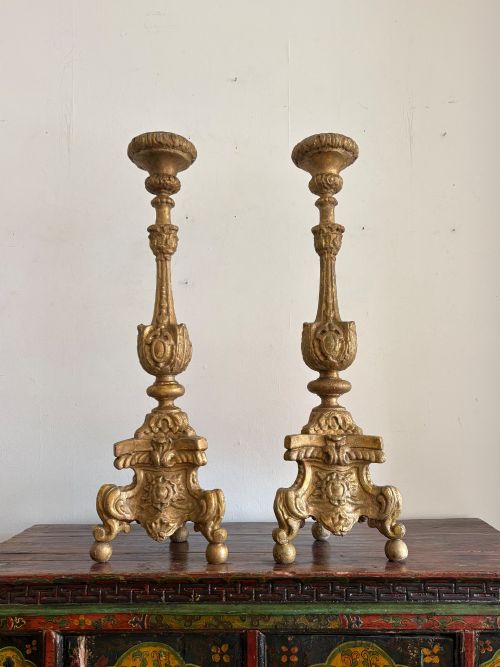
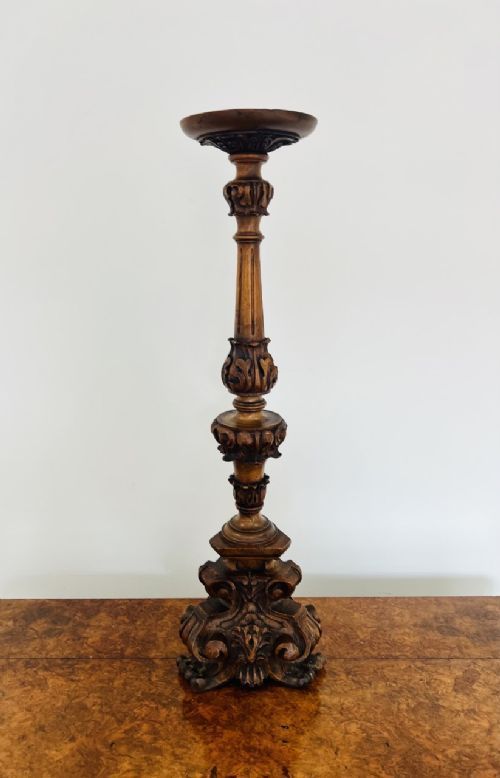
Buyers will most frequently encounter giltwood and carved wood examples dating from the eighteenth and nineteenth centuries. These items often reflect baroque or neoclassical design influences translated through Italian craftsmanship.
Forms range from tall torcheres and floor candelabras to pairs of altar-type candle-holders intended for devotional display. The physical presence of these objects varies from modest wooden stands to imposing gilt and polychrome compositions.
Materials and construction
Wood serves as the primary structural foundation, with craftsmen utilising carved pine, walnut, and general timber to build the core forms. Gesso is frequently applied over the carved wooden base to prepare the surface for decorative finishes.
Surface ornamentation relies heavily on the application of gold leaf, silver leaf, and polychrome pigments. Wrought iron and standard iron also appear in specific examples, particularly within sturdier wall sconces and older stands.
Some nineteenth-century sticks found a second career supporting light bulbs rather than wax, proving that even devout altar pieces enjoy a modern electrical awakening.
Distinctions in quality
The sophistication of the carving dictates much of the visual merit, distinguishing fluid baroque detailing from simpler or later revival forms. Artisanal execution in the application of gilt and silver leaf establishes the depth and enduring character of the surface.
Proportion and structural integrity separate standard utility pieces from more ambitious architectural altar stands and floor-standing torcheres. The preservation of original polychrome and gilding layers contributes significantly to the integrity of each item.
The Italian Pricket Holders Glossary
- Pricket
- A metal spike on a candlestick designed to impale the base of a candle to hold it secure. This form precedes standard socket-type holders in many ecclesiastical settings.
- Giltwood
- Timber that has been coated with a thin layer of gold leaf or gold paint for decorative effect. It is a defining finish across Italian baroque and neoclassical furnishings.
- Gesso
- A plaster-like mixture applied to wood surfaces to create a smooth base for gilding and painting. It allows intricate relief work to be carved and refined prior to leaf application.
- Torchere
- A tall ornamental stand or candlestick designed to support a light source at an elevated position. These pieces often feature substantial carved columns and tripod or circular bases.
- Polychrome
- The practice of decorating architectural elements or wooden objects in a variety of colours. This technique enhances the visual relief of carved ornamentation.
Italian Pricket Holders: Frequently Asked Questions
What is a pricket holder?
A pricket holder is a candle-holding device that uses an upright metal spike to secure the candle base. This design is traditional in ecclesiastical furnishings and altar fittings.
Over time, many of these pieces transitioned from strict religious use into domestic interiors as decorative lighting or furniture stands.
How are these pieces dated?
Dating relies on stylistic indicators such as baroque or neoclassical carving patterns, alongside the preparation methods visible in the wood and gesso. Eighteenth and nineteenth-century examples often display distinct patination and construction techniques.
Material choices like wrought iron versus carved giltwood also help contextualise the period of manufacture.
Where were they used?
These items originated primarily in churches and chapels as altar candlesticks, floor candelabras, and wall sconces. They provided essential illumination for large liturgical spaces.
Later adaptations brought similar forms into domestic settings, serving as torcheres, candle stands, or converted lamp bases.
How do I care for giltwood?
Giltwood requires gentle dusting with a soft, dry cloth to protect the delicate gold leaf and underlying gesso layers from damage. Moisture and harsh cleaning agents must be avoided entirely.
Keeping these pieces away from direct heat sources helps prevent the wood from warping and the gesso from cracking.