



Italian Marble Figurine
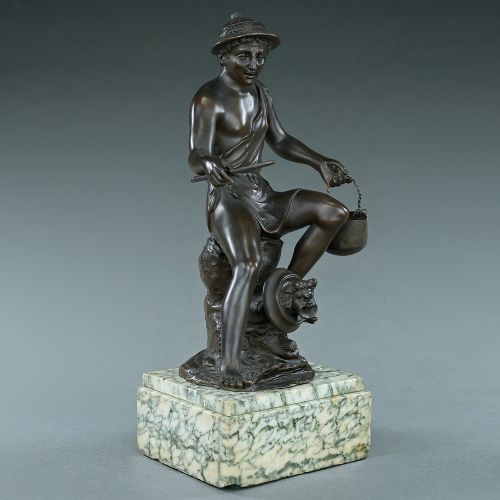
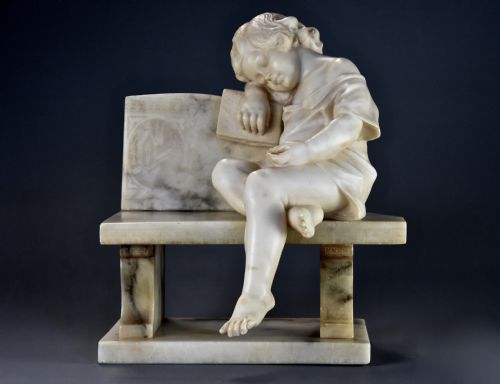
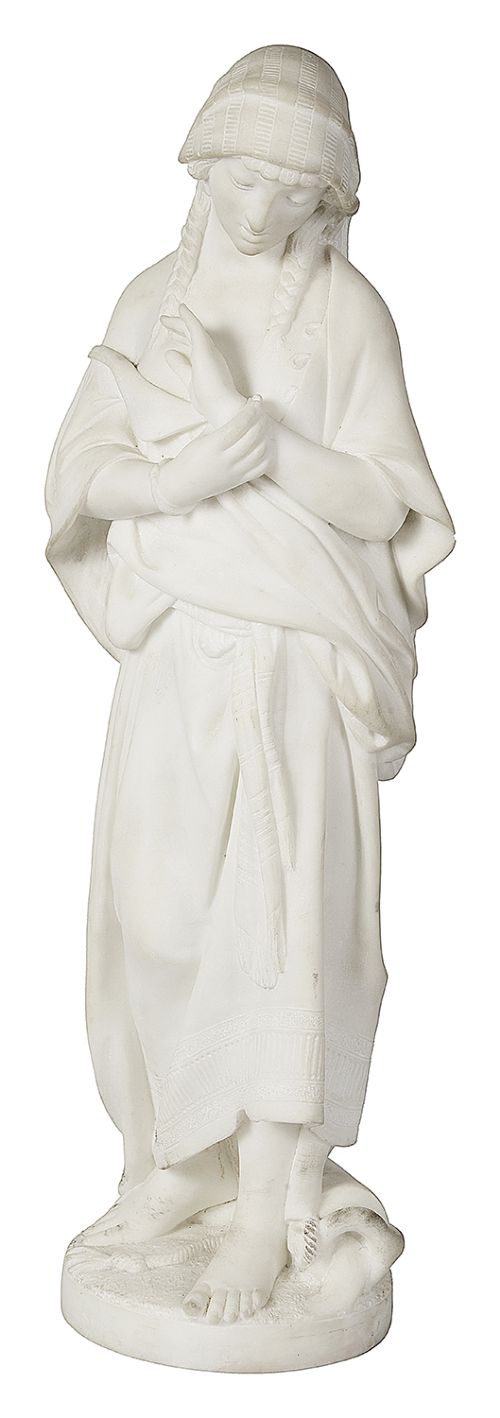
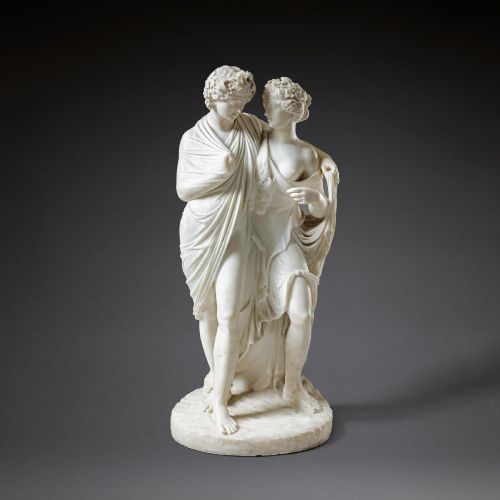
An italian marble figurine brings the classical past directly into a room, capturing mythological figures and grand tour subjects carved by master hands.
Italian Marble Figurine
An italian marble figurine encompasses carved stone sculptures, statuettes, and busts originating from workshops across Italy during the nineteenth and early twentieth centuries. These works frequently depict mythological subjects, classical antiquities, and genre figures created as souvenirs for travellers or as fine art for domestic interiors.
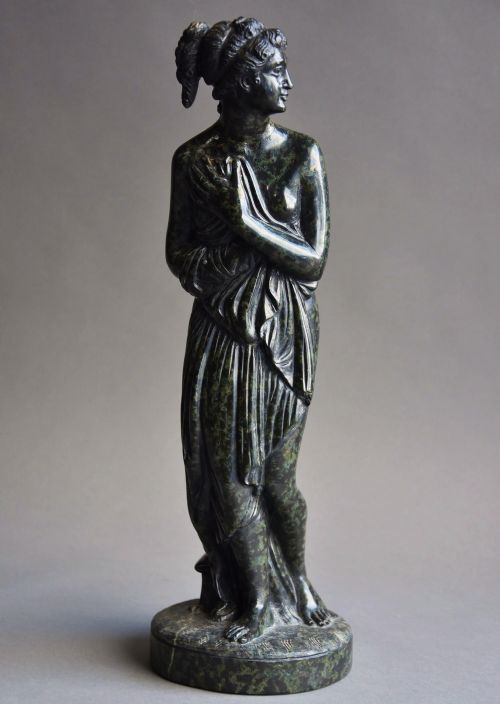
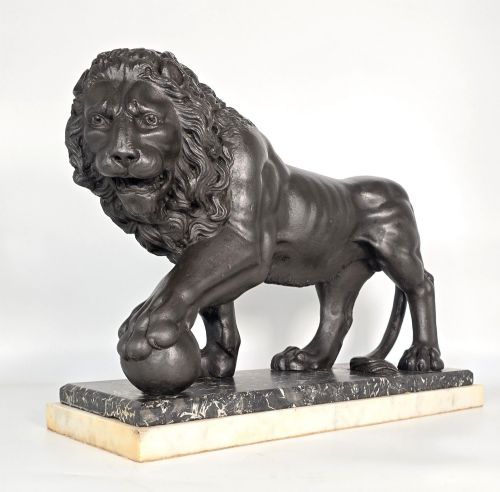
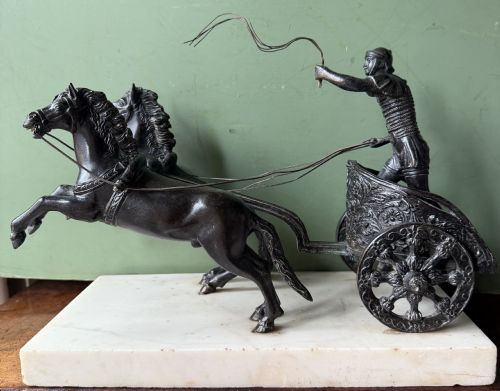
The selections on this page bridge several distinct stylistic movements, including neoclassical interpretations, grand tour reductions of ancient monuments, and later art nouveau designs. Buyers encounter everything from white and carrara marble groups to serpentine figures and alabaster carvings mounted on contrasting stone plinths.
Forms range from intimate desk ornaments and pairs of putti to monumental statues of historical deities and literary heroes. Each piece reflects the enduring European fascination with antiquity, interpreted through the skilled hands of Italian sculptors working in marble, bronze, and alabaster.
How they were made
Carvers utilised fine-grained materials such as white marble, carrara marble, and translucent alabaster, often shaping them with chisels, rasps, and abrasive powders to achieve smooth skin tones and flowing drapery. Many figures incorporate mixed media, pairing carved stone elements with patinated or silvered bronze details set upon decorative marble bases.
The creation of grand tour reductions and classical subjects relied on skilled reduction techniques and foundry casting for bronze components, which were then laboriously hand-chased and mounted to stone plinths. Signatures, foundry marks, and incisions carved directly into the stone or metal surface denote the individual artisan or workshop responsible for the final finish.
Italian Marble Figurine Retail Price Guide 2026
Typical asking prices for italian marble figurine among the pieces listed under this phrase on Sellingantiques today, from the lower quarter to the upper quarter. They describe what is for sale here now, not the wider market.
Listings feature works spanning from the early nineteenth century through the early twentieth century, incorporating both marble and alabaster mediums.
What varies in quality
Material selection significantly influences the character of the sculpture, with pure white carrara marble and uniformly grained alabaster commanding greater visual clarity than stone marred by heavy natural veining. The quality of the mounting, including the choice of portoro or serpentine plinths and the precision of the bronze casting, completes the aesthetic hierarchy.
Carlo Albacini·Barranti·Antonio Canova·Antonio Merente·Cellini·Messina Roma·Antonio Frilli·Pugi·Vincenzo Gemito·Aspetti·Ferdinando Vichi·P. Emilio Fiaschi·GORY
The Italian Marble Figurine Glossary
- Grand Tour
- A traditional journey through Europe undertaken by upper-class European young men of means to flourish their cultural education. Objects acquired during these travels heavily influenced nineteenth-century domestic interiors.
- Neoclassical
- A western cultural movement drawing inspiration from the classical art and culture of ancient Greece or ancient Rome. This style prioritises restrained emotion, grand scale, and classical subject matter.
- Alabaster
- A fine-grained, translucent mineral often used for carving intricate statuary and relief sculptures. Its softness allows for delicate detail work and a warm, glowing surface appearance.
- Carrara Marble
- A type of white or blue-grey marble mined from the city of Carrara in Tuscany, widely utilised for centuries in classical sculpture and architecture.
- Serpentine
- A group of green silicate minerals often used as a decorative stone for sculpture bases and architectural elements. It polishes to a smooth, lustrous finish resembling snakeskin.
Italian Marble Figurine: Frequently Asked Questions
What is a grand tour sculpture?
A grand tour sculpture is a souvenir artwork purchased by travellers visiting cultural centres like Rome and Florence during the eighteenth and nineteenth centuries. These reductions of famous ancient monuments allowed collectors to bring classical antiquity back to their home libraries.
Such pieces range from small bronze figures to detailed marble carvings of mythological subjects. They served as tangible reminders of classical education and sophisticated travel.
How do I care for marble figures?
Marble figures require gentle dusting with a soft, dry cloth to prevent the accumulation of grit in recessed carved details. Avoid using household cleaning liquids, chemical sprays, or water, as porous stones absorb moisture and risk staining.
Display the sculpture away from direct sunlight and fluctuating heat sources to protect the polished surface. Alabaster pieces demand particular caution regarding moisture due to the softer nature of the stone.
Are these pieces signed by artists?
Many nineteenth-century Italian sculptures bear signatures, monograms, or foundry stamps incised directly into the marble base or cast into the bronze elements. These inscriptions frequently name the sculptor, the translating workshop, or the Italian city of origin.
Signatures provide valuable context for dating the piece and identifying the specific artistic lineage. However, unsigned souvenir pieces remain common and were produced in significant numbers for travellers.
What materials are used in these sculptures?
These works primarily feature white marble, carrara marble, and alabaster for the figurative elements. Sculptors often paired these stones with patinated bronze, silvered bronze, or contrasting dark marble bases like serpentine and portoro.
The combination of carved stone and cast metal creates textural contrast within a single composition. Each material reflects the prevailing sculptural techniques of nineteenth-century European workshops.