





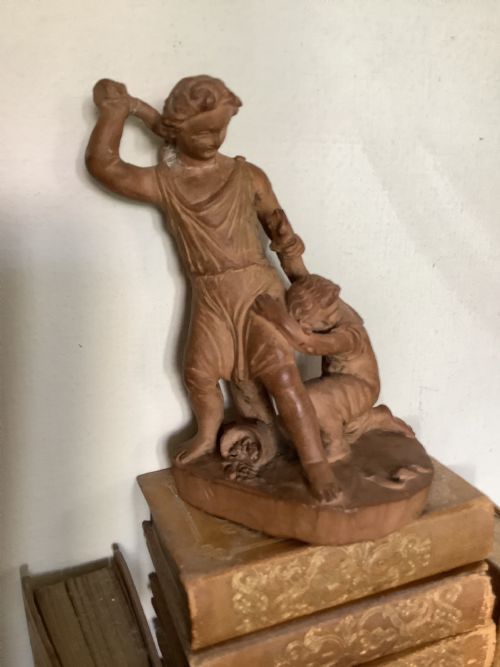


Neoclassical Figure Group
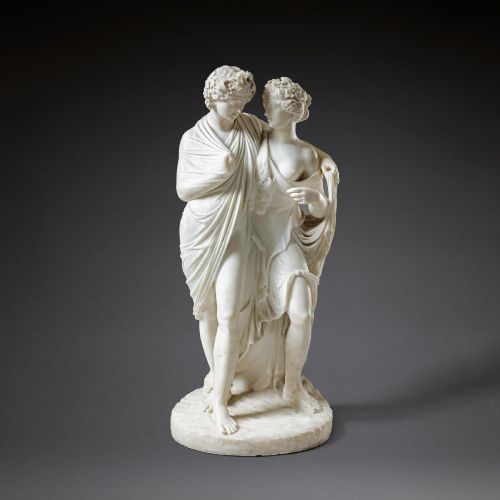
A neoclassical figure group captures the balanced poise and classical mythological themes of antiquity, bringing enduring sculptural elegance into a room.
Neoclassical Figure Group
When you search for a neoclassical figure group, you encounter sculptural compositions that draw heavily upon classical antiquity, mythology and pastoral narratives. The pieces available here span several centuries, reaching from the Georgian era through to the Victorian period.
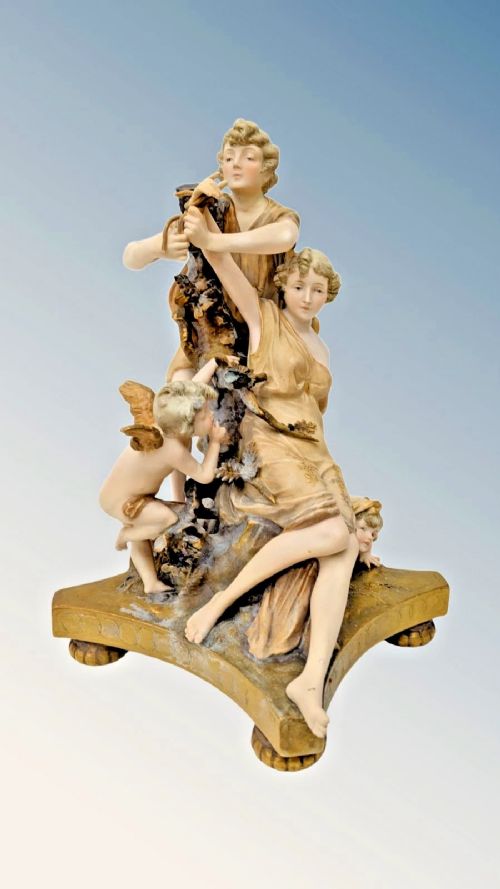
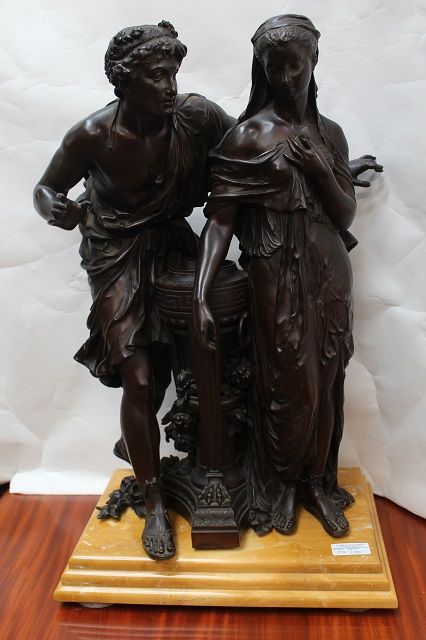
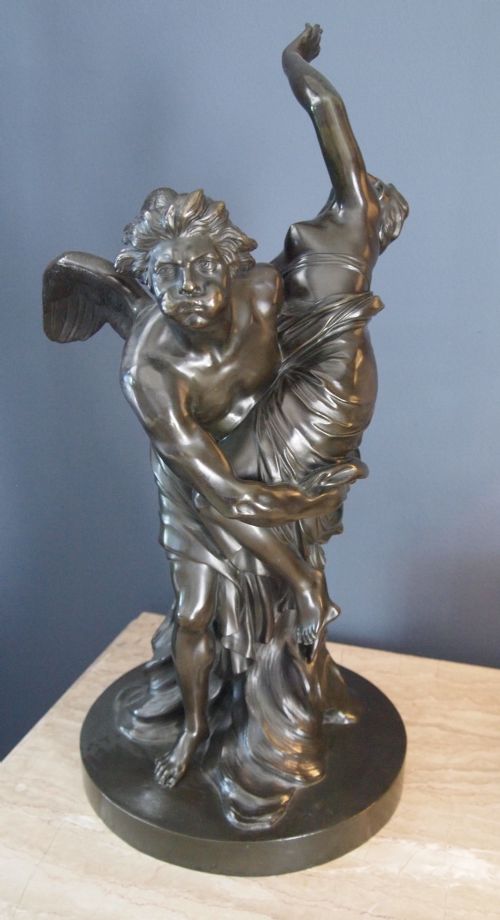
You are most likely to meet bronze and marble sculptures alongside porcelain and terracotta figurines. These objects frequently depict mythological figures, cherubs, children and animals arranged in harmonious multi-figure compositions.
Originating across Britain, France, Italy and German porcelain manufactories, these works reflect the enduring European fascination with classical forms. They range in scale from cabinet-sized terracotta studies to substantial bronze groups designed for display on pedestals or mantels.
Materials and construction
Porcelain and biscuit figures are shaped in moulds and fired at high temperatures, occasionally featuring delicate hand-painted enamel details or gilding. Terracotta examples are modeled by hand or pressed, preserving the direct touch of the sculptor before being baked.
Neoclassical Figure Group Retail Price Guide 2026
Typical asking prices for neoclassical figure group among the pieces listed under this phrase on Sellingantiques today, from the lower quarter to the upper quarter. They describe what is for sale here now, not the wider market.
Several groups depict children wrestling with puppies, leopards and panthers, proving that neoclassical youth spent plenty of time wrestling fauna.
What separates the best from the rest
Quality in these sculptures lies in the crispness of the carving, the fluidity of the composition and the sensitivity of the modeling. A finer bronze exhibits sharp chasing work that defines hair, musculature and drapery without losing the organic flow of the metal.
Carlo Albacini·Ernst Wallace·Meissen·Derby·Joseph Gott·Simon Louis Boizot
The Neoclassical Figure Group Glossary
- Neoclassical
- A style rooted in the revival of classical Greek and Roman art, emphasising proportion, symmetry and heroic or mythological subjects.
- Biscuit
- Unglazed porcelain fired to a matte, white finish resembling smooth marble, favoured for neoclassical figures.
- Directoire
- A transitional French design style preceding the Empire period, characterised by restrained classical simplicity.
- Patina
- The surface sheen or coloration developed on bronze over time through age or chemical treatment.
- Terracotta
- Fired red or brown clay used both for finished sculptures and preparatory models.
Neoclassical Figure Group: Frequently Asked Questions
What materials were used for these sculptures?
Makers utilised bronze, white and Carrara marble, terracotta, enamel, and gold leaf alongside porcelain.
These varied materials allowed sculptors to work in diverse scales, from intimate porcelain figurines to substantial bronze castings.
How do I identify a Georgian group?
Georgian and 18th-century pieces often display the softer biscuit porcelain or early fine marble carving typical of the period before the 19th-century revivals.
Look for classical motifs combined with the characteristic modeling style of factories like Meissen and Derby from that era.
Where were these figure groups made?
The pieces originate from workshops across Britain, France, Italy and Germany, reflecting a shared European engagement with classical antiquity.
French and Italian examples frequently favor bronze and marble, while German centres excelled in porcelain figure groups.
How do I style a bronze figure group?
Place a bronze sculpture on a stable surface such as a wooden sideboard or a marble-topped table where its dark patina contrasts with the room.
Ensure adequate lighting to bring out the subtle details of the lost-wax casting and the complex arrangement of multiple figures.