




Italian Glazed Pottery
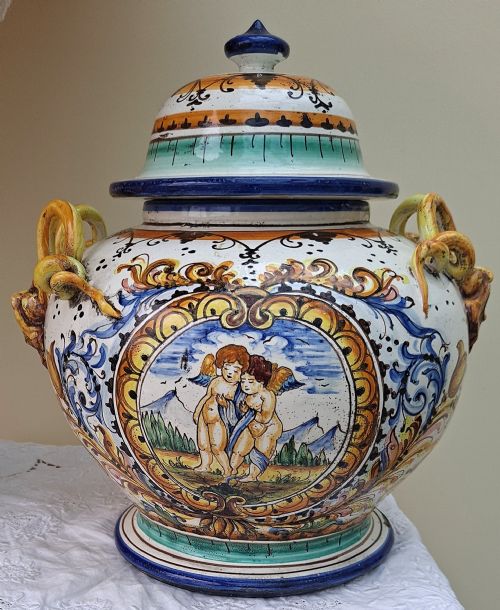
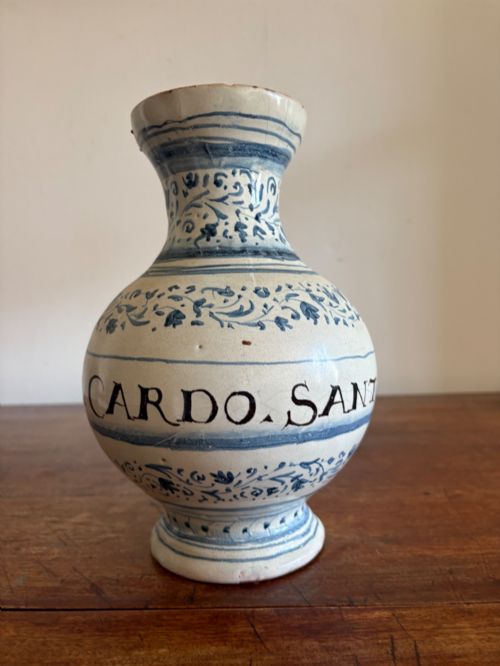
Italian glazed pottery brings centuries of painted tin-glazed earthenware and terracotta into the home, prized for vibrant pigment and historical forms.
Italian Glazed Pottery
When you examine italian glazed pottery, you encounter a lineage stretching from the seventeenth century through the nineteenth century and into the twentieth century. The selection spans utilitarian pharmacy vessels and decorative display pieces, reflecting shifting tastes from Renaissance Revival to Art Nouveau.
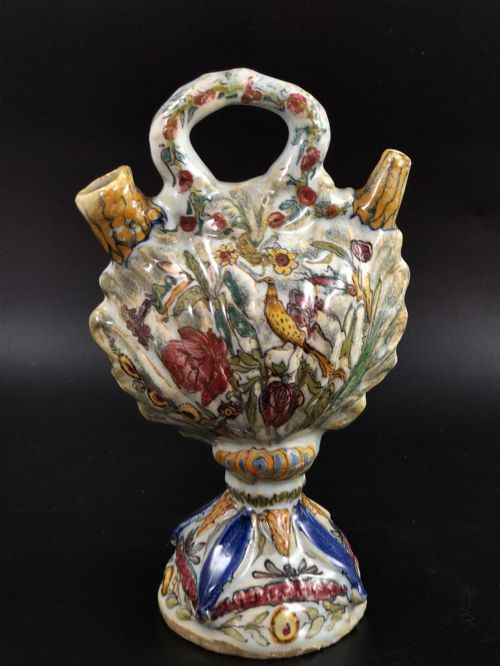
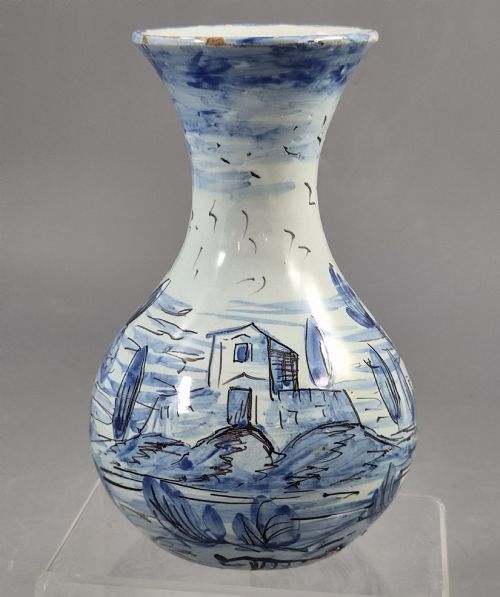
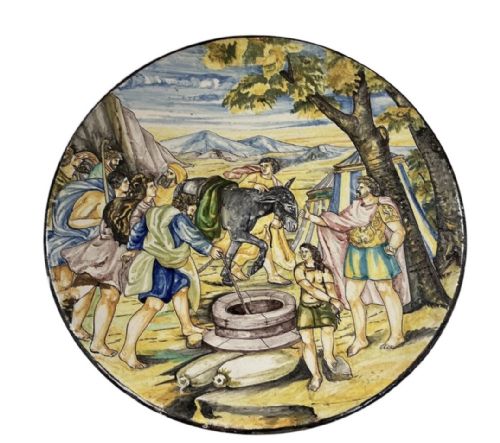
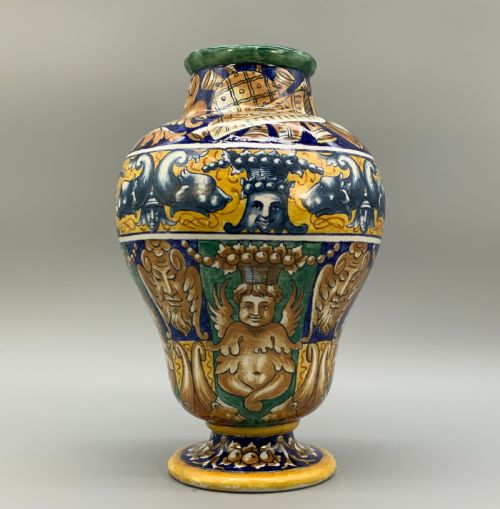
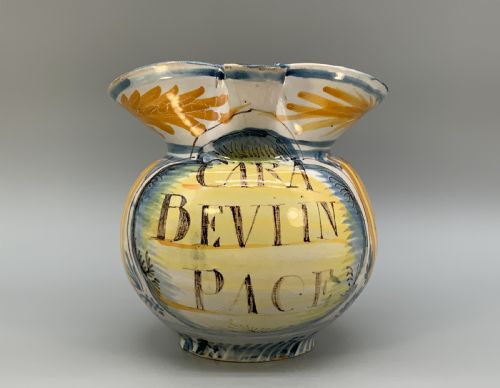
The most frequent pieces on this page are apothecary jars, albarelli, chargers, and vases created in regional centres such as Florence, Naples, and Savona. These items range from blue and white vessels to polychrome chargers and devotional plaques.
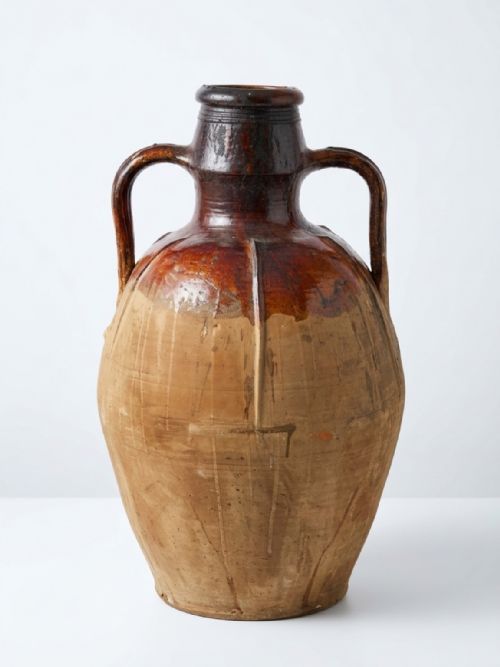
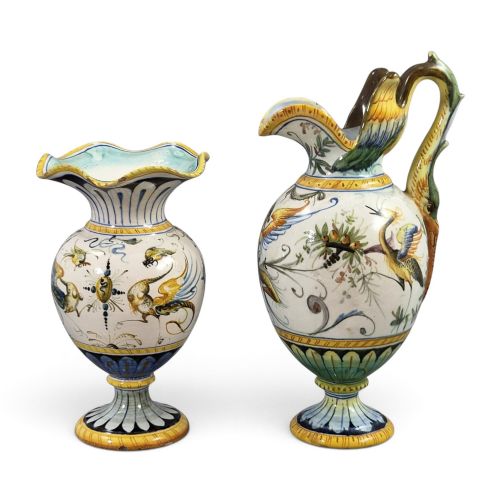
Makers and factories like Cantagalli and Gallilleo Chini adapt historic styles, producing majolica ewers, cabinet vases, and tiles that echo earlier traditions. Alongside these, large terracotta wine jars and table lamps represent the more domestic output of the Italian kilns.
Materials and Construction
Potters shape earthenware and terracotta bodies on the wheel or press them into moulds to create vases, flasks, and apothecary jars. These clay bases provide the porous foundation required for subsequent glazing and pigment application.
Workers coat the fired clay in tin glaze, which provides an opaque white surface suitable for detailed hand-painted decoration. Pigments are then applied directly to the unfired glaze, fusing during a second firing to yield the characteristic glossy finish.
A pottery figure of a seventeenth-century Pulcinella stands ready to bring traditional theatrical mischief straight to the mantelpiece.
Assessing Quality and Execution
Quality rests upon the precision of the hand-painted brushwork and the clarity of the polychrome or blue and white pigments against the tin glaze. Fine examples display confident, crisp linework and balanced compositions on chargers and drug jars.
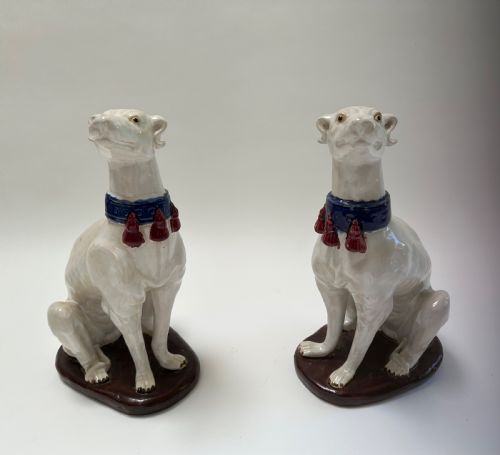
The handling of the clay form and the smoothness of the glaze application distinguish exceptional pieces from standard production. Well-modelled figures and cleanly potted vases reflect greater technical skill in the kiln.
Cantagalli·Gallilleo Chini·Gio Ponti·Richard Ginori
The Italian Glazed Pottery Glossary
- Majolica
- Tin-glazed earthenware decorated with opaque colourful pigments on a white background. This technique defines much of the historical Italian pottery tradition.
- Albarello
- A cylindrical earthenware jar used by apothecaries to store drugs and ointments. These vessels typically feature a waisted body for a secure grip.
- Faience
- Tin-glazed pottery produced in Europe, closely related to majolica. The term appears frequently in descriptions of Italian and Dutch wares.
- Charger
- A large decorative plate intended for display on a wall or sideboard rather than for table service. These often feature elaborate historical or mythological scenes.
- Pilgrim Flask
- A flattened, round vessel with lugs for suspension cords, historically carried by travellers. In ceramic form, it functions as an ornamental vase or display piece.
Italian Glazed Pottery: Frequently Asked Questions
How were apothecary jars used?
Apothecaries used these cylindrical jars to store dried herbs, syrups, and medicinal ointments in pharmacies. The distinctive waist allowed pharmacists to grip the jars easily from crowded shelves.
Over time, many of these utilitarian vessels transitioned into decorative objects collected for their painted blue and white or polychrome decoration.
What is the difference between majolica and terracotta?
Majolica is earthenware coated in an opaque white tin glaze that serves as a canvas for painted pigments. Terracotta consists of fired clay left unglazed or treated with a transparent glaze, retaining its natural reddish-brown colour.
While terracotta forms tend to emphasise the sculptural qualities of the clay, majolica relies on surface decoration and vibrant colour.
How do I care for antique glazed pottery?
Keep these pieces away from direct sunlight and areas subject to sudden temperature fluctuations to protect the ceramic body and glaze. Dust them gently with a soft, dry cloth and avoid using liquid cleaners.
Display them on stable surfaces where they will not be knocked, as the earthenware bodies can chip or crack upon impact.
How can I tell a revival piece from an older one?
Revival pieces, such as those produced in the nineteenth and early twentieth centuries, often combine historic forms like Renaissance Revival styles with cleaner modern manufacturing marks. Examining the wear on the base, the composition of the glaze, and any factory stamps helps clarify the date.
Stylistic cues and pigment characteristics also provide clues to distinguish seventeenth-century or eighteenth-century originals from later interpretations.