




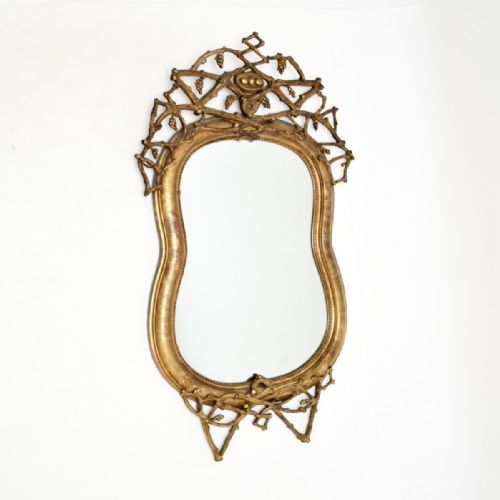
Italian Framed Mirror
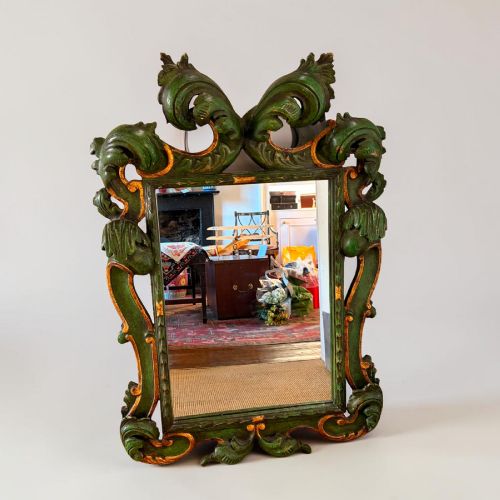
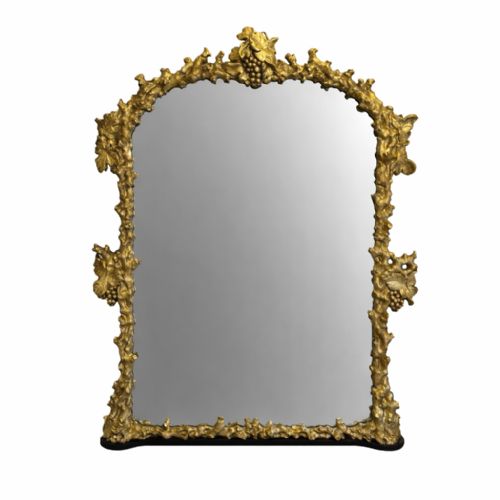
An italian framed mirror brings distinct regional handcraft, ranging from Venetian glass to carved Florentine giltwood, directly into a room.
Italian Framed Mirror
When you search for an italian framed mirror, you encounter pieces spanning from the eighteenth century through the early twentieth century. These objects include large overmantel mirrors, pier mirrors, wall mirrors, cushion mirrors, and girandoles.
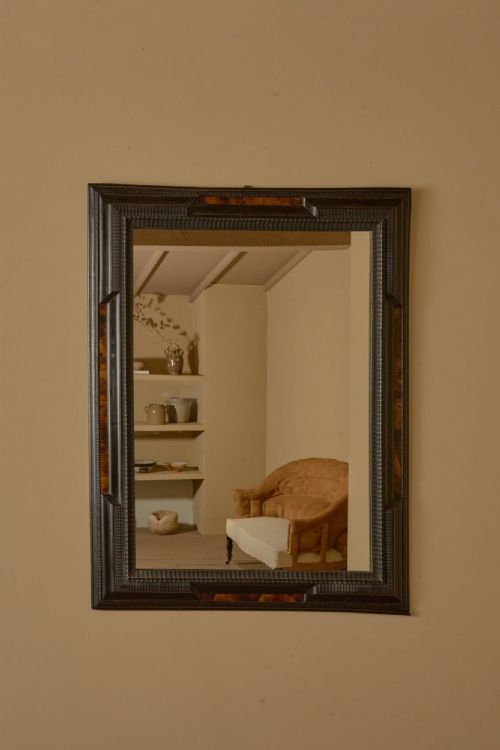
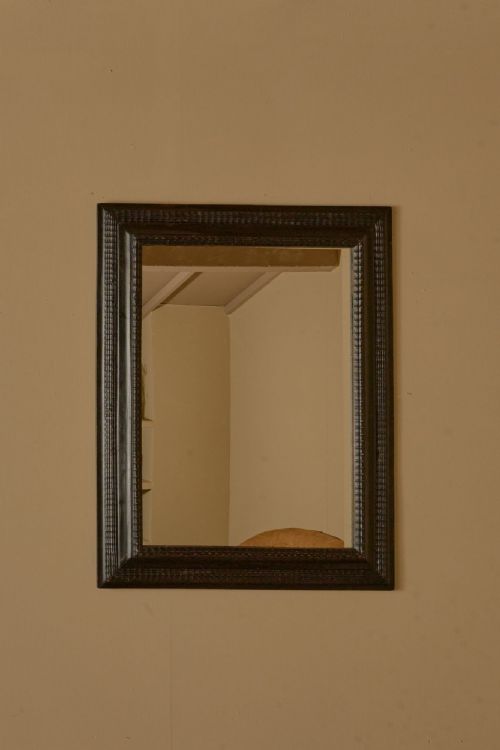
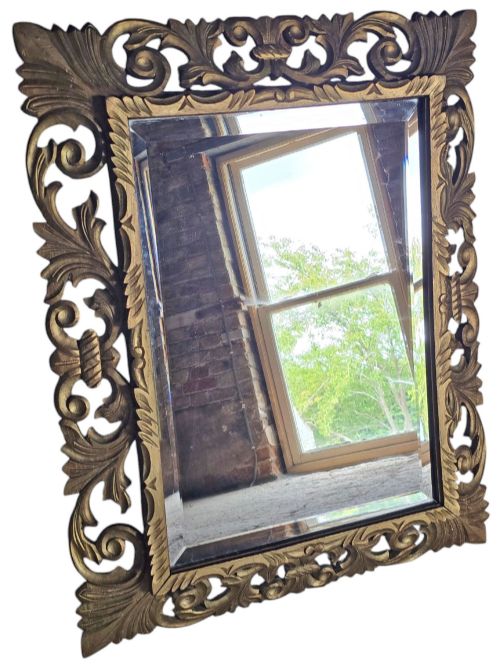
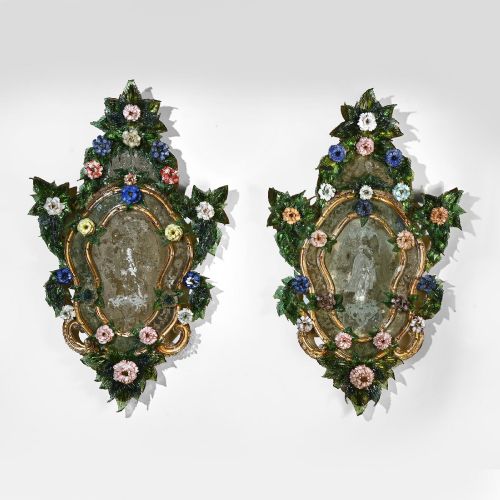
The regional variety is wide, taking in Venetian designs alongside Florentine carvings and ebonised box mirrors. Styles stretch across the Baroque, Rococo, and Neoclassical traditions, alongside painted polychrome and faux marble finishes.
You are most likely to meet nineteenth-century giltwood pieces and Venetian glass examples on this page. These diverse forms reflect centuries of workshops producing mirrors for both grand palaces and domestic interiors.
Construction and materials
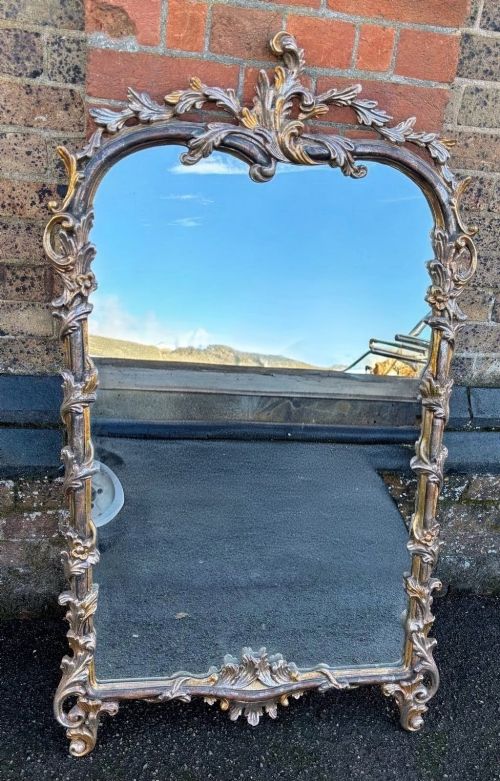
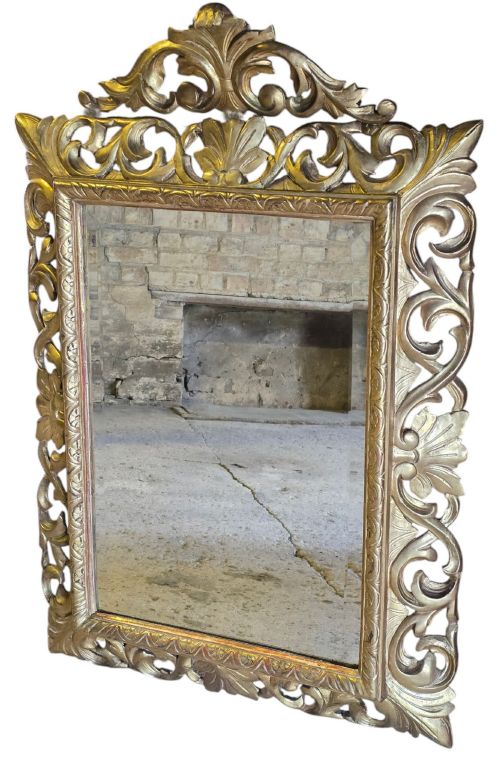
Makers shaped these items from carved wood, applying layers of gesso before finishing the surface with gold leaf, silver leaf, or paint. Giltwood and carved wood provide the structural foundation for many Florentine and Baroque examples.
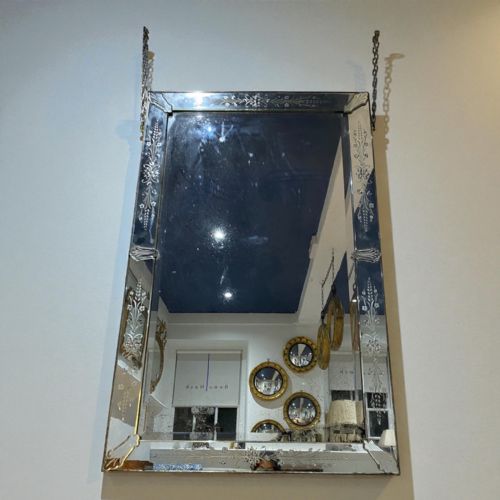
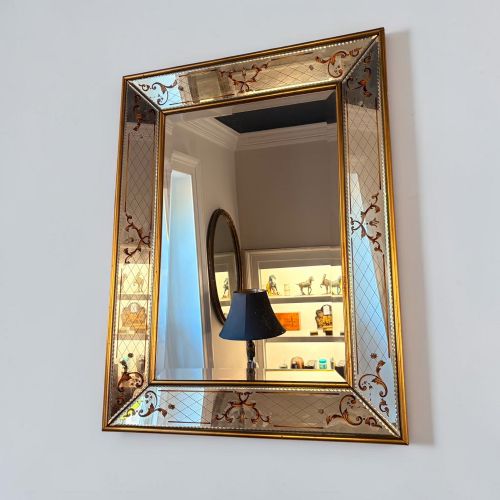
Venetian pieces rely heavily on specialised glass techniques, incorporating mirror glass, Murano glass elements, and engraved plates. Ebonised finishes and faux tortoiseshell or faux marble paint effects also appear across nineteenth-century examples.
Italian Framed Mirror Retail Price Guide 2026
Typical asking prices for italian framed mirror among the pieces listed under this phrase on Sellingantiques today, from the lower quarter to the upper quarter. They describe what is for sale here now, not the wider market.
Listings feature items spanning the eighteenth, nineteenth, and early twentieth centuries, utilising giltwood, ebonised wood, and Murano glass.
Distinguishing quality
The depth and definition of the wood carving set exceptional pieces apart from standard production. Crisp detailing in scrollwork and foliage indicates a high level of hand craftsmanship in the workshop.
The preservation of the original surface finish, whether gold leaf or painted polychrome, dictates the integrity of the object. High-grade glass plates with period engraving and minimal degradation also elevate the standard of the piece.
The Italian Framed Mirror Glossary
- Giltwood
- Wood coated with gold leaf over a prepared gesso ground. This material defines many traditional Florentine and Baroque frames.
- Girandole
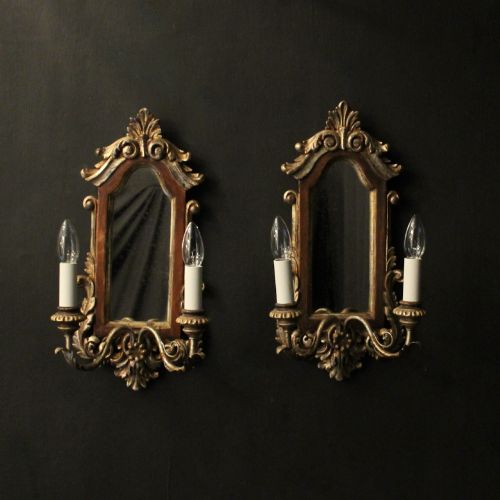
- A branched wall fixture or mirror with candle sconces attached to the frame. Pairs of these often flank larger wall mirrors.
- Eglomise
- A technique of applying gold or silver leaf to glass combined with engraving and painting on the back. It appears frequently in Venetian style work.
- Overmantel mirror
- A large horizontal mirror designed specifically to hang above a fireplace mantelpiece. These often scale up to substantial proportions.
- Cushion mirror
- A frame profile featuring a convex or sloping inner section that directs the eye inward toward the glass plate.
Italian Framed Mirror: Frequently Asked Questions
Where should I hang an italian framed mirror?
These pieces suit living rooms, hallways, and dining spaces where reflective surface area expands the perceived light and space. Overmantel mirrors belong above a fireplace, while smaller wall and dressing mirrors work well on principal walls.
Position the glass to capture natural daylight from windows or to reflect interesting architectural details within the room.
How do I clean an antique mirror glass?
Use a soft, dry microfibre cloth to gently remove dust from the glass and the surrounding frame surface. Avoid spraying liquids directly onto the glass or the giltwood, as moisture can seep behind the plate and damage the backing.
Apply mild cleaner sparingly to the cloth rather than the mirror itself if marks require removal, taking care around the edges.
How can I tell a Venetian mirror from a Florentine one?
Venetian mirrors typically feature etched glass panels, Murano elements, and frames constructed substantially from glass itself. Florentine mirrors rely on heavily carved wooden frames coated in giltwood with elaborate foliate scrollwork.
Examining the primary material of the border clarifies the regional origin and the workshop traditions behind the construction.
Are these mirrors heavy to hang?
Carved wood, plaster gesso, and thick glass plates add considerable weight to antique wall mirrors and overmantel pieces. Secure fixings suited to the wall type are essential for supporting the load safely.
Professional installation is recommended for larger formats to ensure the fixings engage securely with wall studs or masonry.