


Italian Carved Lamp
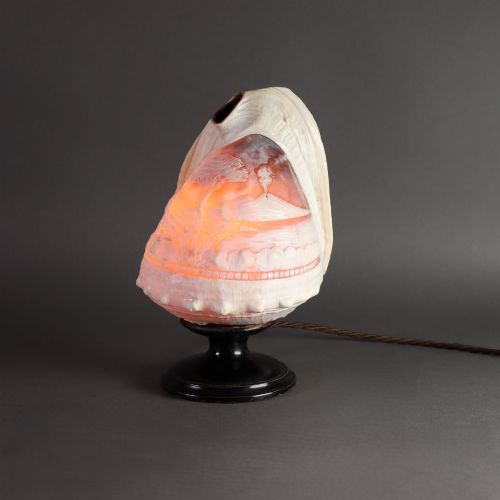
An italian carved lamp brings theatrical warmth and centuries of regional craftsmanship directly into a room.
Italian Carved Lamp
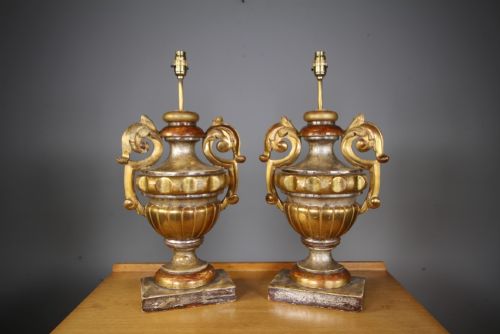
An italian carved lamp combines centuries of sculptural tradition with practical illumination, taking forms from towering floor standards to intimate table pieces. When exploring this phrase, buyers encounter everything from grand giltwood torchieres to delicate alabaster urns and converted ecclesiastical candlesticks.
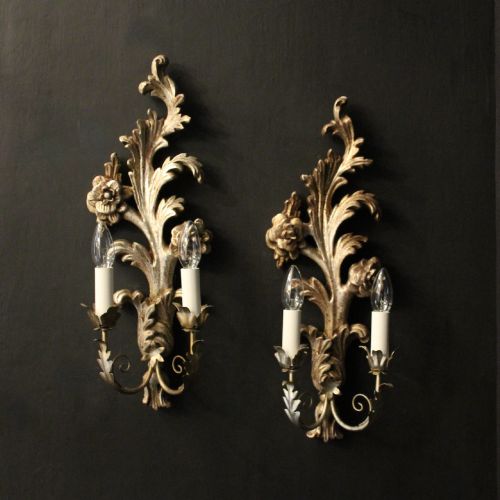
The material vocabulary draws heavily on historic design movements, featuring Italian Baroque, Neoclassical, and Florentine styles. Pieces frequently incorporate carved pine, walnut, and gesso finished in gold leaf, silver, or polychrome paint.
Standard lamps and floor standing models dominate the taller category, often echoing architectural columns or figural subjects. Meanwhile, table lamps range from compact urns to ornate vessels shaped by regional artisans.
Materials and construction
Makers shaped structural bodies from solid timbers such as walnut, mahogany, and pine before applying layers of gesso to smooth the surface for carving. Intricate details like acanthus leaves, fluting, and figural elements emerged through direct hand carving by regional woodworkers.
Gilding techniques involved laying delicate sheets of gold or silver leaf over an adhesive bole, burnished to achieve a deep, historic glow. Polychrome finishes utilised pigmented paints on gesso or wood, sometimes augmented with marble components, brass fittings, and glass elements.
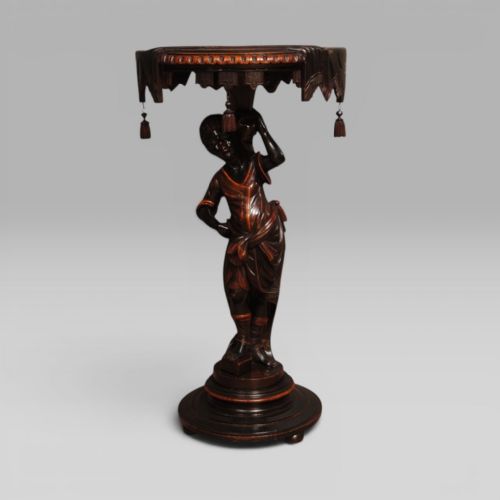
A cheerful blackamoor figure stands ready on a carved pedestal, holding aloft the light of a bygone Venetian era.
Distinctions in quality
The calibre of an italian carved lamp rests upon the depth and precision of the hand carving, where crisply defined acanthus and fluid drapery separate superior workshop output from simpler production. Surfaces finished with genuine hand-laid gold leaf over finely prepared gesso display a rich luminosity absent in modern metallic paints.
Proportion and structural integrity dictate the standing of a piece, particularly in taller floor standards and torchiere conversions. Original surfaces, authentic polychrome pigments, and harmonious patination across the wood and metal elements elevate the desirability of individual examples.
The Italian Carved Lamp Glossary
- Giltwood
- Wood that has been coated with thin sheets of gold leaf. This finish defines many decorative Italian lighting pieces.
- Gesso
- A plaster-like mixture applied to wood surfaces to create a smooth base for carving and gilding. It allows for sharp decorative relief.
- Torchiere
- A tall stand or floor lamp designed to direct light upwards. Many historic examples originate from converted church candle holders.
- Polychrome
- Decorated in multiple colours. This technique appears on carved figures and wooden bases to add lifelike detail.
- Campana
- A bell-shaped vessel form frequently utilised for lamp bases and urns. It draws directly from classical antiquity.
Italian Carved Lamp: Frequently Asked Questions
How do I light an antique lamp safely?
Historic lamp bodies often require modern rewiring by a qualified professional to meet current safety standards.
Ensure that any replacement flex and bulb holder respect the structural integrity of the original carved wood or alabaster body without causing damage.
What styles are common in these lamps?
Italian Baroque and Florentine designs dominate the marketplace, characterised by rich scrolling foliage and heavy gilding. Neoclassical examples tend to feature cleaner architectural lines, including fluted columns and urn motifs.
Regional variations also include Venetian polychrome figures and Grand Tour souvenirs referencing classical history.
How do I care for giltwood and gesso?
Dust these delicate surfaces gently with a dry, soft brush to prevent the accumulation of dirt within carved crevices.
Avoid liquid cleaners, modern polishes, and direct sunlight, as moisture and UV exposure can lift the historic gesso and gold leaf.
Can I use standard lampshades on these bases?
Most bases accept standard shade carriers provided the proportions match the scale of the carving.
Tall floor standards require substantial shades to balance their height, while smaller table urns suit more compact silk or fabric designs.