

Italian Carved Figure
When you explore an italian carved figure, you engage with centuries of sculptural tradition spanning classical marble deities and devotional wooden saints.
Italian Carved Figure
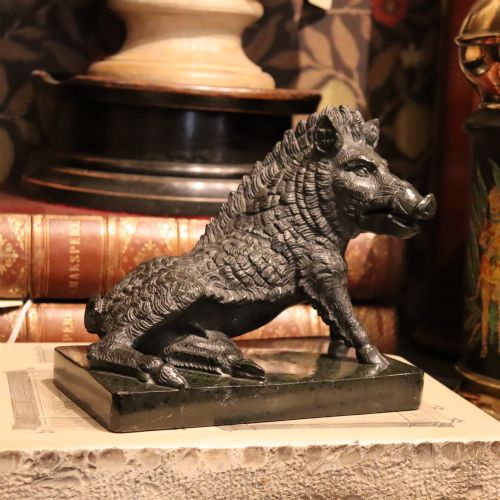
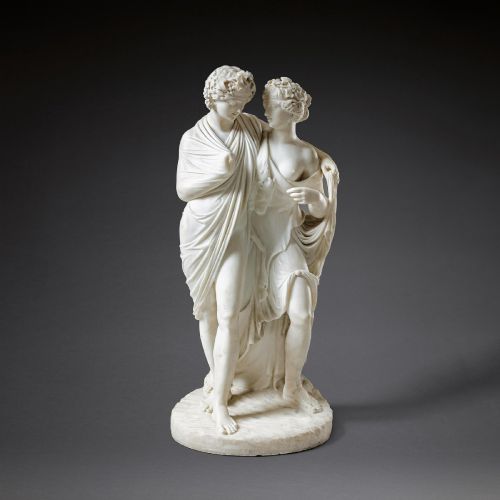
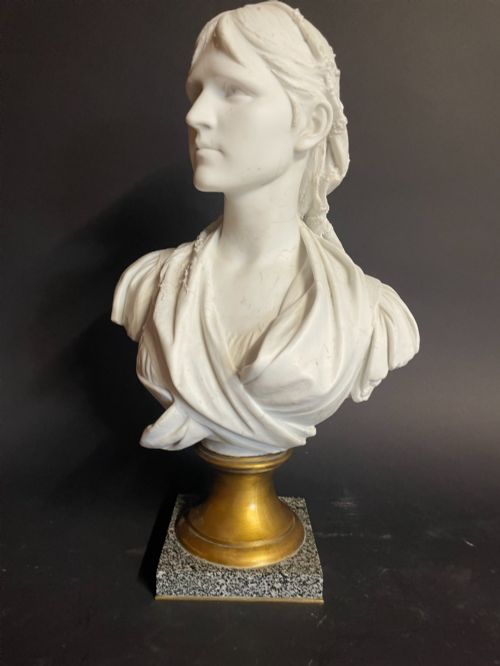
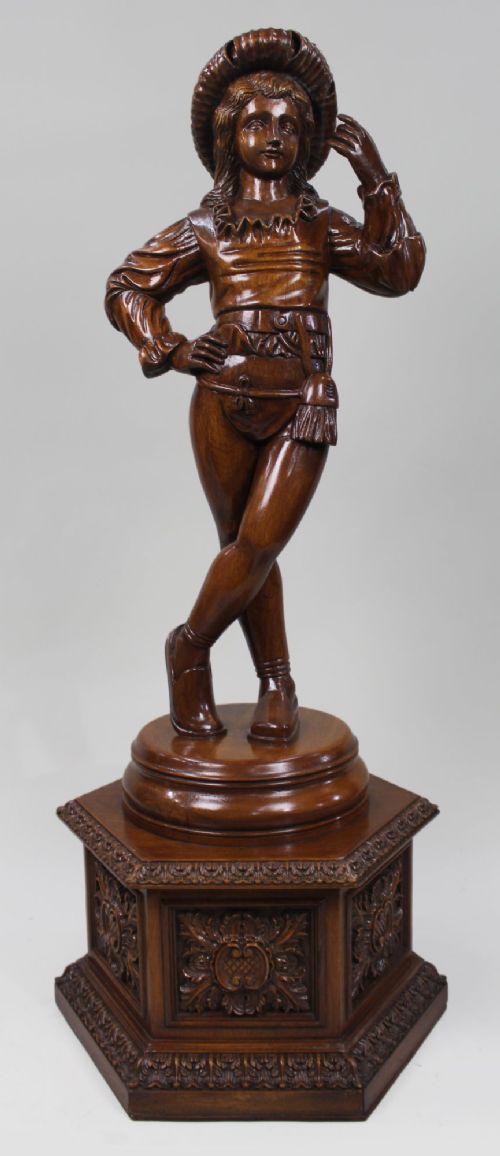
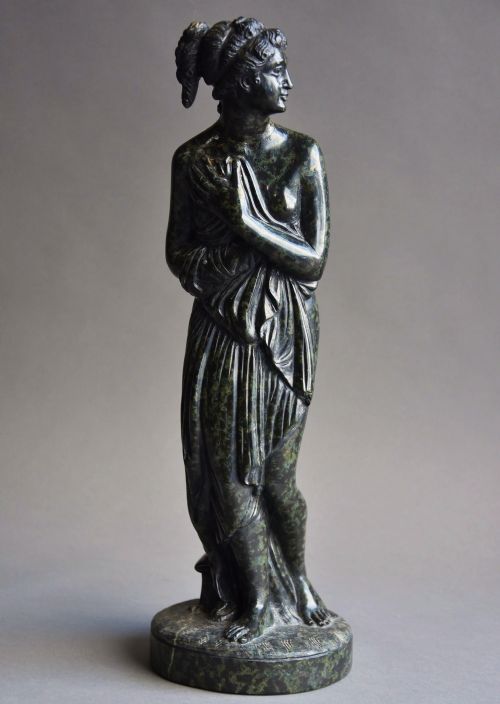
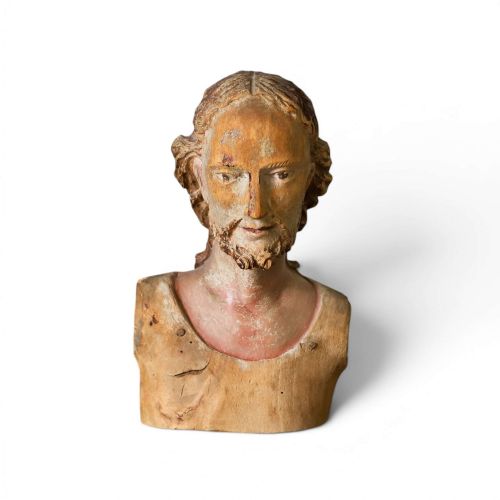
An italian carved figure embodies classical antiquity, religious devotion, and decorative ambition through sculptural forms produced across various centuries. Buyers encounter diverse representations ranging from Grand Tour souvenir busts and mythological subjects to sacred wooden icons and folk art statues.
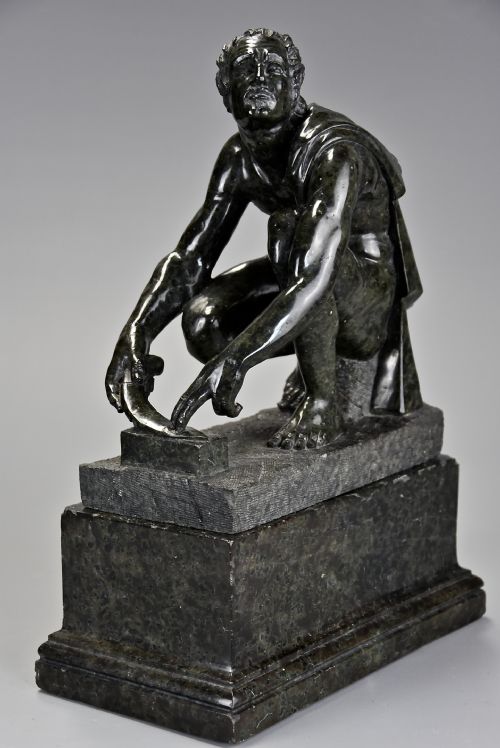
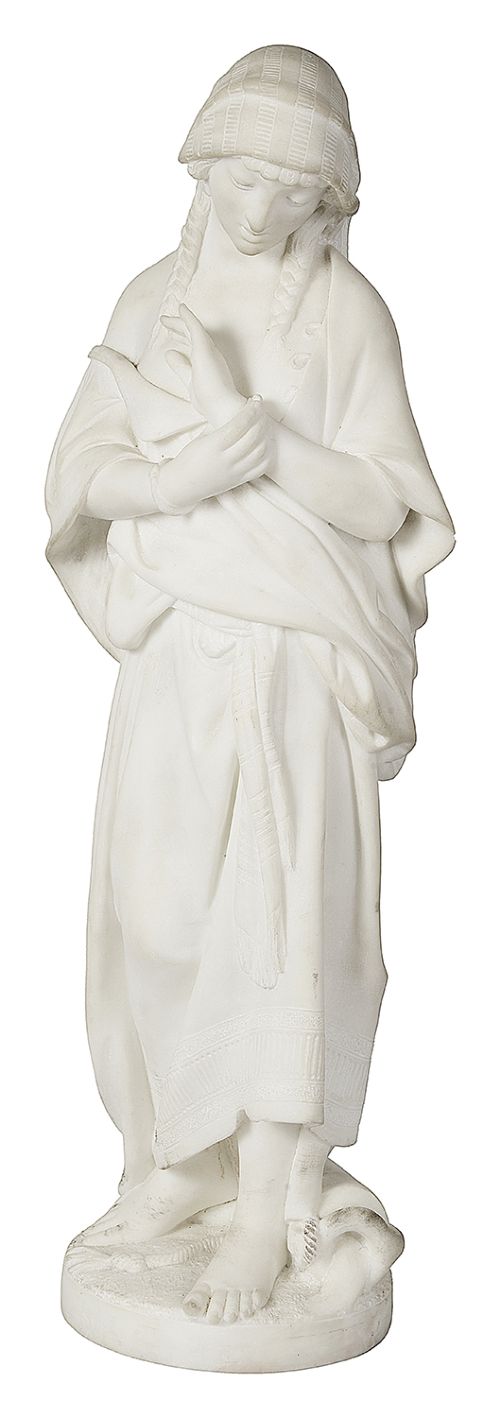
The selection on this page relies heavily on nineteenth-century interpretations of classical masterpieces, alongside eighteenth-century religious carvings and early twentieth-century decorative pieces. Sculptures appear in numerous materials, reflecting both monumental studio works and smaller architectural or domestic items.
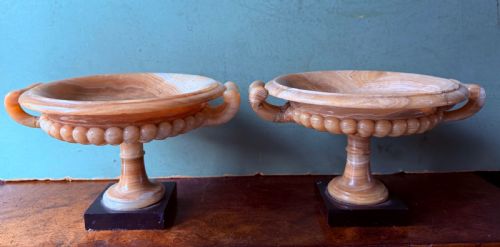
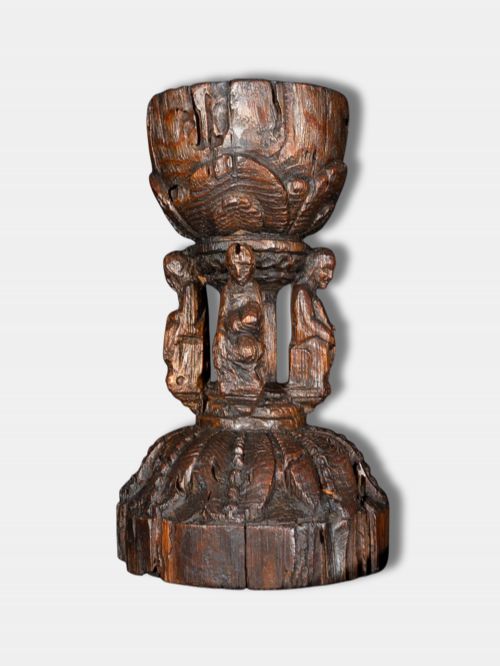
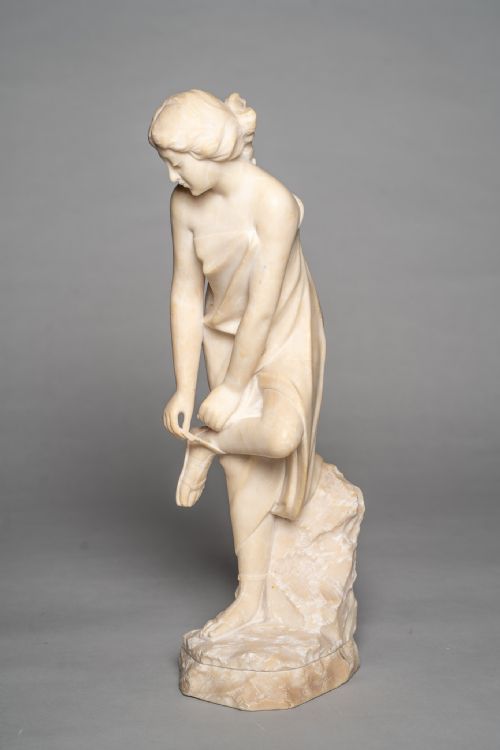
Forms span freestanding statues, library busts, processional figures, and architectural fragments originating from various regional workshops across Italy. Each piece demonstrates specific regional preferences, whether the alabaster traditions of Volterra or the marble studios of Florence and Carrara.
Materials and Methods
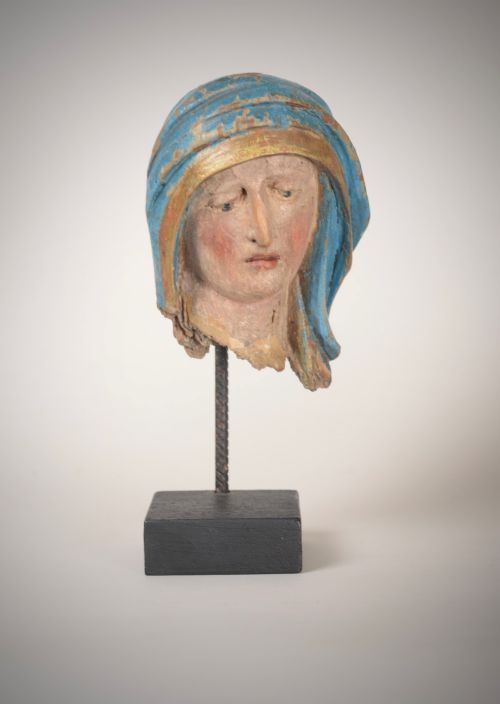
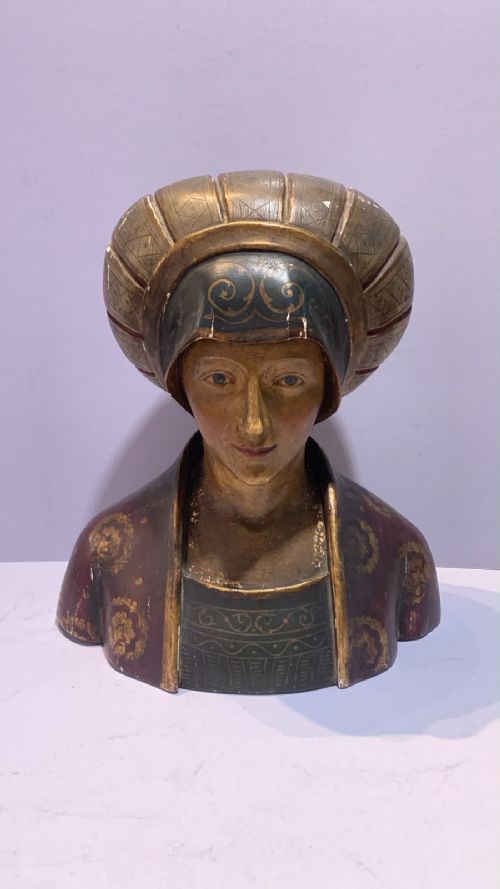
Surface treatments frequently involved polychrome paint, gold leaf, and gesso applied to wooden religious statues to enhance visual realism and devotional impact. Marble and alabaster pieces often received meticulous hand-polishing to accentuate the natural veining and translucency of the stone.
Listings feature materials spanning Carrara marble, alabaster, serpentine, polychrome paint, and various carved hardwoods from the sixteenth to the twentieth century.
Distinctions in Quality
The selection of the raw material dictates the potential finish, with flawless statuary marble and richly figured alabaster commanding greater artistic success. Studio execution - particularly whether a piece is an unsigned workshop production or bears attribution to a known sculptor - shapes the significance of the object.
Carlo Albacini·Barranti·Antonio Canova·A.Gamay·Pietro Bazzanti·Valentino Besarel
The Italian Carved Figure Glossary
- Grand Tour
- A cultural journey undertaken by wealthy young Europeans during the eighteenth and nineteenth centuries to study classical art and architecture. Souvenirs purchased on these journeys often included reduced-scale marble or alabaster copies of famous antique sculptures.
- Polychrome
- Decoration executed in multiple colours, frequently seen on wooden religious figures and processional statues. This technique added lifelike warmth and devotional emphasis to carved wood.
- Carrara marble
- A type of white or blue-grey marble quarried in the city of Carrara in the north of Tuscany. It is prized by sculptors for its homogeneous texture and subtle veining.
- Santos
- A carved figure of a saint used in religious processions or private devotional contexts, particularly within Catholic traditions. These wooden sculptures often featured articulated limbs and original fabric garments.
Italian Carved Figure: Frequently Asked Questions
How do I care for marble sculptures?
Marble statues require gentle dusting with a soft, dry cloth to prevent the accumulation of grit in carved crevices. Avoid using chemical cleaners, acidic liquids, or excessive water, which can damage the polished stone surface.
Maintaining stable indoor humidity protects older stone and wood from cracking due to sudden environmental shifts.
What distinguishes alabaster from marble?
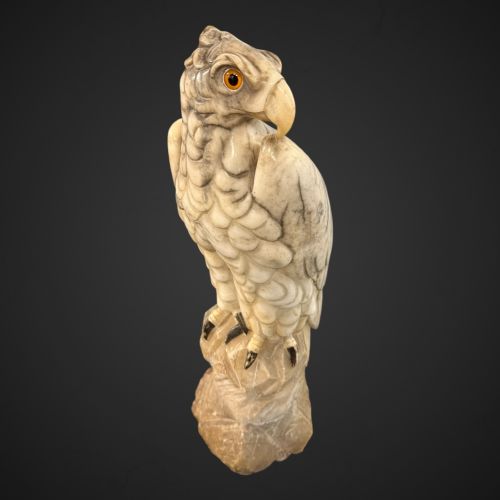
Alabaster is a softer, more translucent mineral than marble, allowing light to penetrate slightly beneath the surface. Sculptors favour it for capturing delicate facial expressions and soft drapery folds.
Because of its softness, alabaster is more susceptible to scratching and moisture damage than harder marbles.
Are wooden religious statues painted?
Many wooden religious figures, including Santos figures and devotional busts, feature original polychrome paint and gilding applied over a gesso ground. This traditional surface treatment added realism to sacred imagery.
Surviving traces of original paint provide important evidence regarding the age and historical context of the carving.