


Italian Baroque Cabinet
An italian baroque cabinet brings dramatic architectural presence and rich walnut grain to a room.
Italian Baroque Cabinet
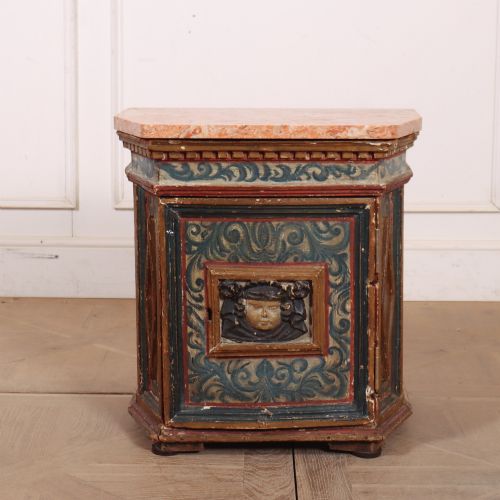
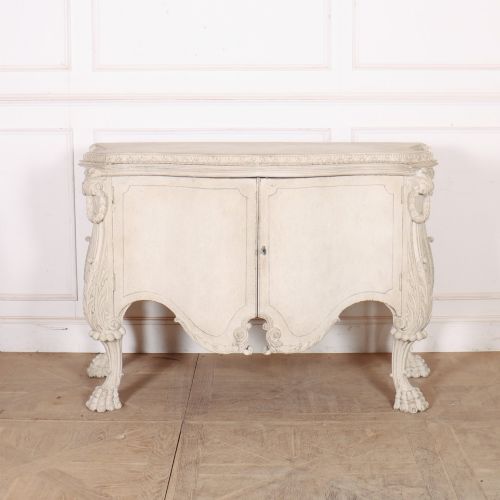
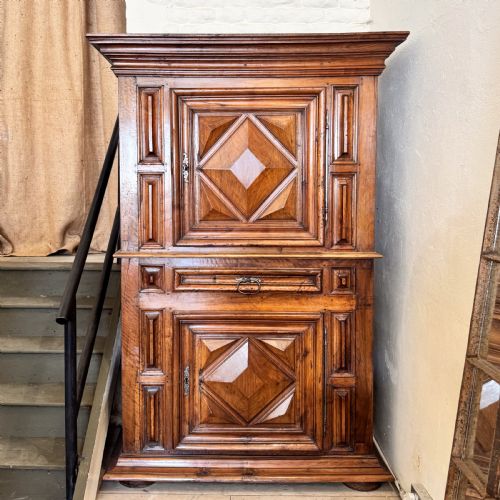
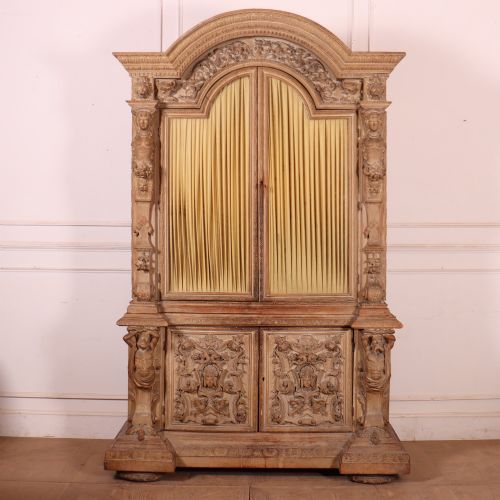
An italian baroque cabinet is a substantial storage piece defined by classical architectural forms and dynamic carving originating from seventeenth and eighteenth century Italy. These striking items range from monumental sideboards and linen cupboards to intricate table cabinets and architectural tabernacles designed for display or secure storage.
The selections available here span from authentic seventeenth century walnut examples to later revival pieces created in the nineteenth and early twentieth centuries. Buyers encounter diverse regional expressions, including Tuscan pedestal cupboards and Venetian painted side cabinets adorned with distinctive surface decoration.
Materials and construction
Walnut serves as the primary structural and visual medium, selected for its rich grain and suitability for deep carving. Artisans augmented these wooden frames with applied elements in gesso and gold leaf, alongside contrasting ebony details seen in earlier table cabinets.
Makers integrated functional hardware forged from iron to secure heavy doors and drawers on substantial sideboards and cupboards. Painted wood surfaces also appear, finished with decorative pigments that reflect regional Italian tastes across different centuries.
The listings span from seventeenth century walnut table cabinets to painted twentieth century Venetian side cabinets, incorporating iron hardware and gesso.
Judging quality and craftsmanship
The distinction between standard and exceptional pieces rests upon the crispness of the carved wood details and the structural integrity of the walnut carcass. Master carvers achieved deep relief and balanced proportions that elevate architectural elements like cornices and pilasters beyond simple utility.
Surface treatment further defines the caliber of a piece, whether through the warm patina of aged timber or the careful application of historical paint finishes. Authenticity of period construction and the preservation of original mounts distinguish significant examples from later revival interpretations.
Pauly et Cie
The Italian Baroque Cabinet Glossary
- Baroque
- A style characterised by theatrical drama, grand scale and exuberant architectural ornamentation. This aesthetic dominated European art and furniture design throughout the seventeenth century.
- Tabernacle
- A small architectural structure resembling a shrine, featuring columns, pediments and central compartments. These pieces often served as focal points for display or devotion.
- Vitrine
- A glass fronted display cabinet intended for showcasing precious objects and curiosities. This form evolved to protect delicate items while maintaining high visibility.
- Gesso
- A plaster mixture applied to wood surfaces to create a smooth ground for gilding or painting. Artisans carved intricate relief details directly into this hardened material.
- Pedestal cupboard
- A compact freestanding storage unit raised on a distinct base or plinth. These practical forms appeared frequently in seventeenth century Tuscan workshops.
Italian Baroque Cabinet: Frequently Asked Questions
What is an italian baroque cabinet?
An italian baroque cabinet is a heavy storage or display furniture piece originating from Italy, featuring rich walnut timber, architectural columns, and dramatic carved ornamentation.
These pieces were constructed to display wealth and status through imposing forms such as sideboards, vitrines, and table cabinets.
Where were these cabinets placed?
Historically, these substantial cupboards and side cabinets stood in the grand reception rooms, dining halls, and private chambers of Italian palazzos.
Today, their commanding presence suits large living areas, dining spaces, or hallways as focal storage furniture.
How do I care for walnut wood?
Walnut furniture benefits from stable indoor humidity and protection from direct sunlight to prevent the timber from drying out or fading over time.
Applying a traditional beeswax polish occasionally maintains the natural lustre and nourishes the historical grain.
How are different periods identified?
Earlier seventeenth century examples display deep architectural relief, ebony accents, and robust walnut construction typical of high baroque design.
Later nineteenth century revival pieces and painted Venetian furniture introduce lighter decorative surfaces and interpretations of earlier historical styles.