
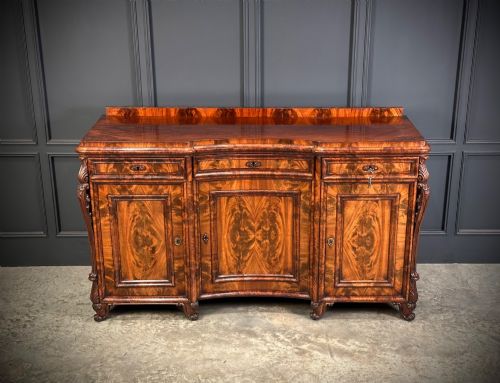
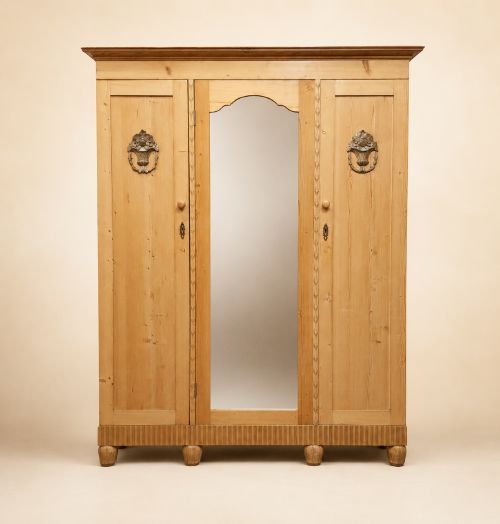
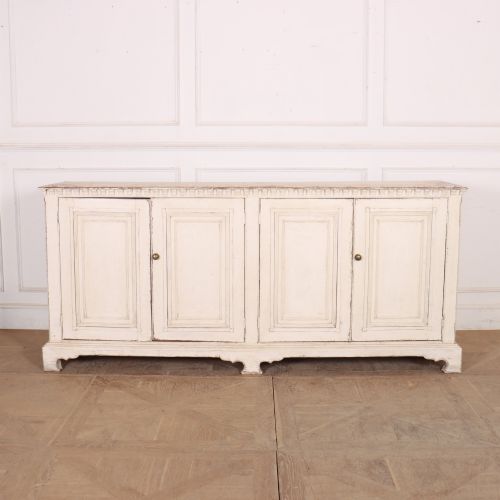
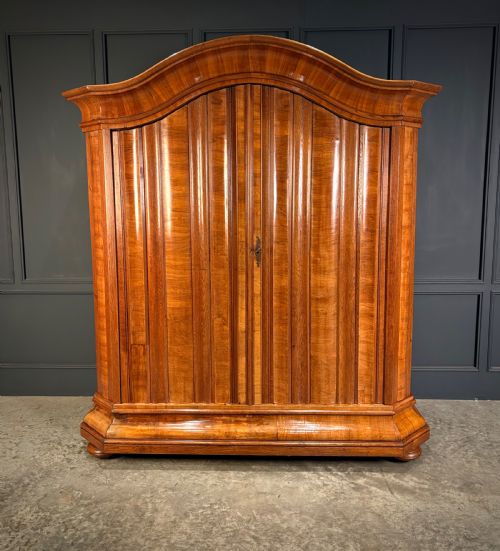
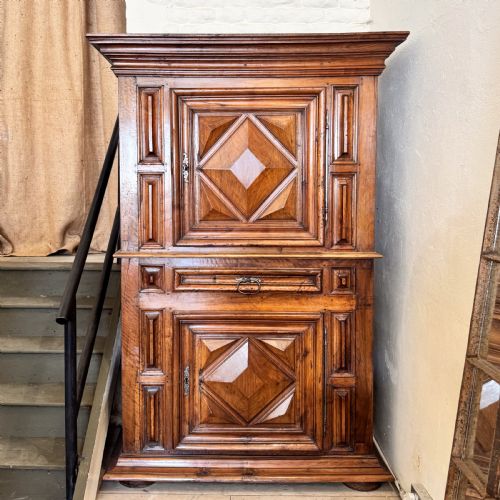
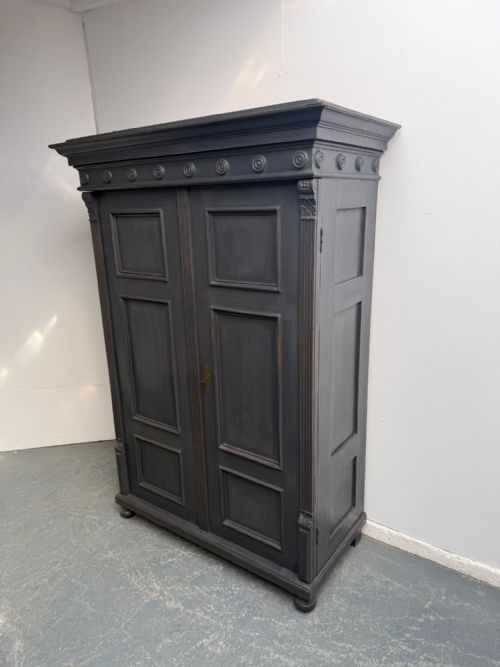


Large Continental Cupboard
A large continental cupboard provides substantial storage with the character of 17th century to 1930s European craftsmanship.
Large Continental Cupboard
A large continental cupboard represents substantial storage furniture originating from European workshops across the eighteenth and nineteenth centuries, spanning forms such as armoires, enfilades, and sideboards.
The versions most likely encountered on this page include walnut and pine pieces from Italian, German, and Hungarian makers, often showing styles from Baroque to Biedermeier.
These items serve practical storage needs while bringing distinct regional timber work and painted finishes into domestic interiors.
How they were made
Timbers such as walnut, oak, pine, and fruitwood form the structural basis of these pieces, frequently enhanced by flame mahogany or rosewood veneers.
Construction techniques rely on traditional regional joinery, sometimes finished with painted surfaces or decorative carvings characteristic of continental workshops.
Current listings include pine, walnut, oak, and fruitwood pieces spanning the seventeenth century to 1930.
What varies in quality
The selection of timber grain, such as figured walnut or flame mahogany, dictates the visual distinction of the piece from standard utilitarian examples.
The sophistication of regional style execution, ranging from Italian Baroque carving to clean Biedermeier lines, determines the refinement of the construction.
The Large Continental Cupboard Glossary
- Armoire
- A tall wardrobe or cupboard, typically featuring two doors enclosing shelf or hanging space.
- Enfilade
- A suite of rooms or a long sideboard designed for serving, seen in Italian painted pieces.
- Biedermeier
- A central European style from the nineteenth century focusing on utilitarian comfort and clean lines.
- Credenza
- A sideboard or cabinet originating in Italy, often raised on legs or a plinth base.
- Fruitwood
- Timber sourced from fruit-bearing trees, used for cabinetmaking and decorative contrasting inlays.
Large Continental Cupboard: Frequently Asked Questions
What is a large continental cupboard?
A large continental cupboard is a substantial storage piece built in European workshops during the eighteenth and nineteenth centuries.
These items encompass armoires, sideboards, and wardrobes constructed from timbers like walnut, oak, and pine.
How do I date a cupboard?
Dating relies on observing construction methods, timber choices, and stylistic markers such as Italian Baroque or Biedermeier.
Periods visible in these pieces range from the seventeenth century through to the early twentieth century.
What woods were used?
Cabinetmakers utilised regional timbers including walnut, oak, pine, fruitwood, and rosewood for construction.
Finer examples frequently incorporated flame mahogany veneers and brass hardware details.
Where were they made?
These items originated across continental Europe, with notable representation from Italian, German, Dutch, and Hungarian workshops.
Each region applied distinct decorative treatments, from painted finishes to carved walnut details.