


Geometric Panelled Cabinet
A geometric panelled cabinet brings architectural depth and rich timber texture to a room, offering both display and concealed storage.
Geometric Panelled Cabinet
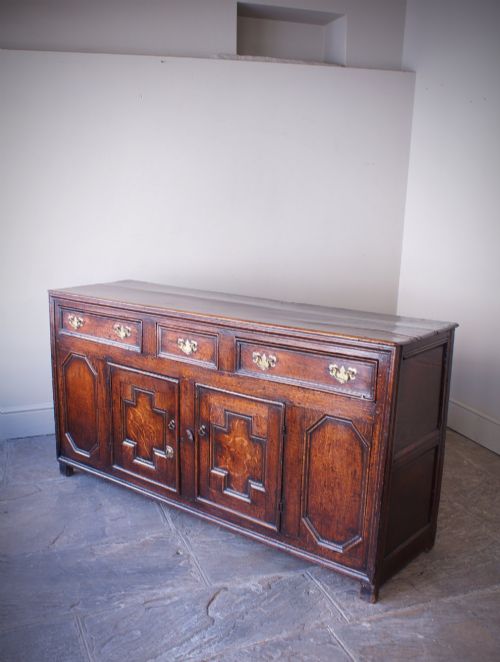
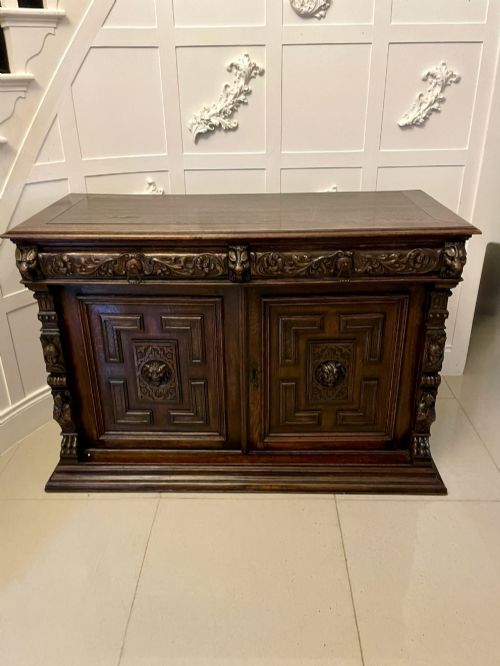
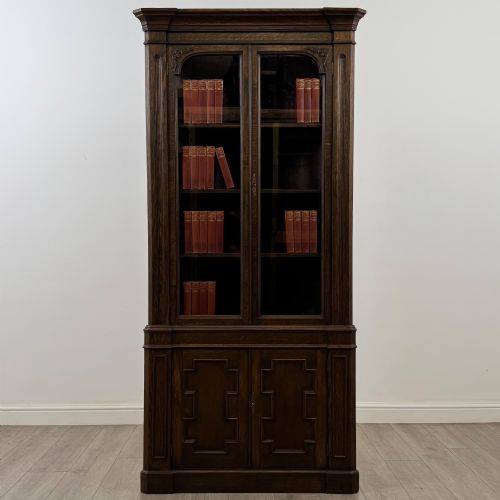
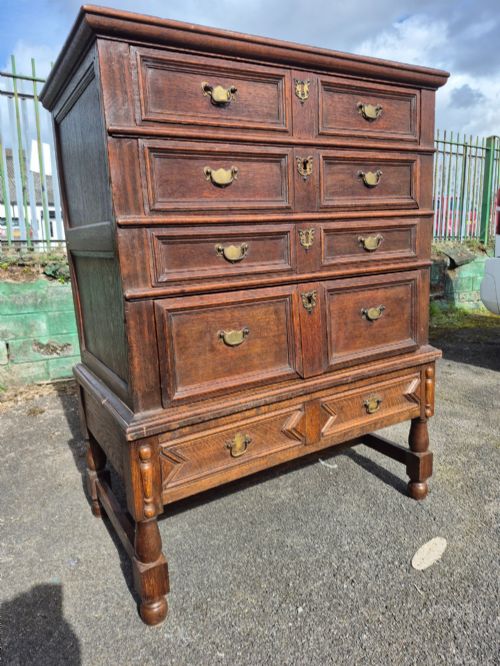
When you search for a geometric panelled cabinet, you encounter sturdy timber storage forms spanning several centuries. The selection ranges from early seventeenth-century oak chests on stand to Edwardian cupboards and side cabinets built in revival styles.
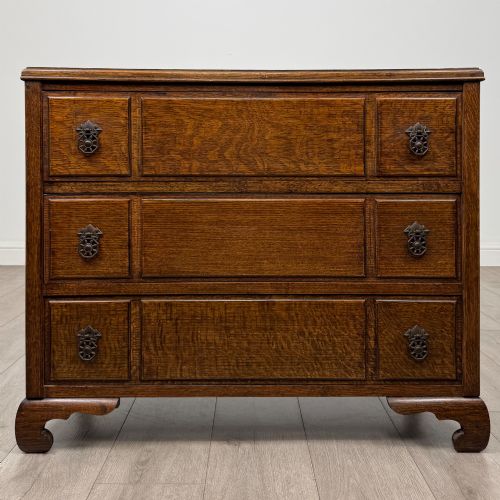
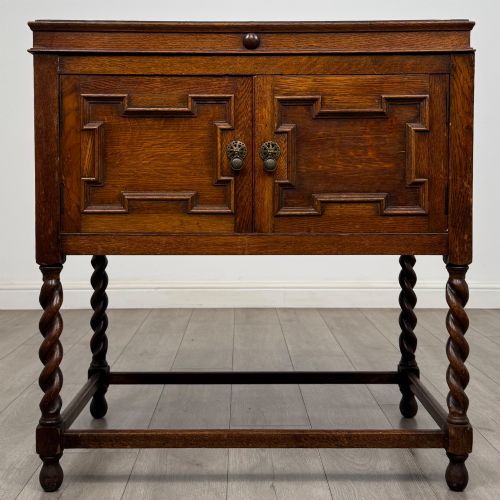
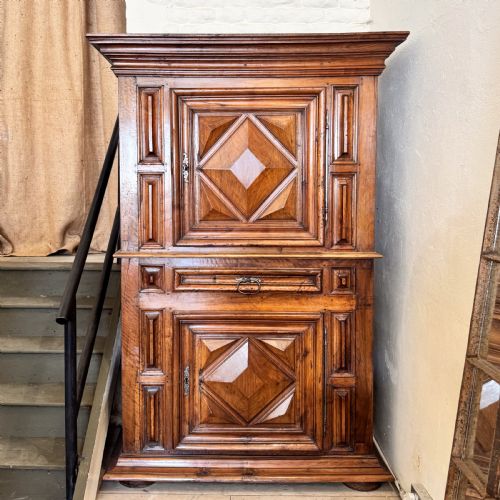
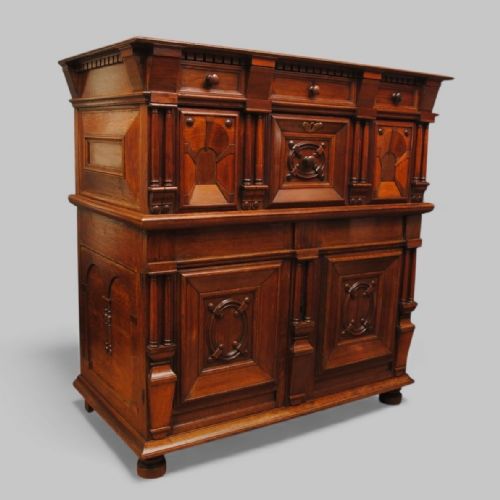
You find side cabinets, dressers, and chests of drawers that utilise structured, geometric surface arrangements. These forms originate from English, Welsh, Italian, and Flemish workshops, often drawing on Jacobean and Renaissance design principles.
The version most commonly met on this page is the oak cupboard or dresser carrying moulded or panelled detailing. These pieces reflect enduring domestic utility combined with robust decorative joinery.
How they were made
Joiners built these cabinets primarily from solid oak, walnut, and fruitwood, often selecting timber for its strong grain and warm tone. Workshops applied elaborate mouldings to create raised geometric patterns across doors and drawer fronts.
Construction involved traditional frame and panel techniques alongside applied split turnings and snakewood decoration. Hardware such as brass hinges and iron handles completed the assembly, securing doors and supporting heavy timber frames.
Listings feature oak, walnut, and fruitwood alongside specialist additions like snakewood and leaded glass.
What varies in quality
The standard of timber selection and the crispness of the moulded panels dictate the distinction between standard items and superior examples. Finer pieces display deeply carved details, well-figured walnut or oak veneers, and harmonious proportions.
The integrity of the original construction, including the survival of period brass or iron hardware, influences the overall character of each cabinet. Pieces retaining their original stands or uncompromised backing boards demonstrate greater integrity.
The Geometric Panelled Cabinet Glossary
- Jacobean
- A style associated with the early seventeenth-century reign of James I, characterised by heavy proportions and geometric ornamentation. This aesthetic experienced strong revivals during the nineteenth and twentieth centuries.
- Chest on stand
- A two-part form consisting of a storage chest elevated on a separate framework of legs connected by stretchers. This configuration lifts the main body off the floor for ease of access.
- Moulded-front
- A design where timber mouldings are applied to drawer fronts or cabinet doors to create raised geometric patterns. It adds three-dimensional depth to otherwise flat surfaces.
- Leaded glass
- Small panes of glass held together within lead cames to form windows or cabinet doors. This technique allows for decorative glazing patterns within sturdy frames.
Geometric Panelled Cabinet: Frequently Asked Questions
How do I date a geometric cabinet?
Examine the construction methods, tool marks, and timber species visible on the interior and backboards. Earlier pieces from the seventeenth century often show hand-riven timber and pegged joints, whereas later revival items display machine-cut elements.
Compare the overall proportions and style of the geometric panels to known periods. Revival pieces made around nineteen hundred often blend Jacobean motifs with Edwardian internal construction.
Where should I place a cabinet?
These robust timber cabinets suit dining rooms, hallways, or living spaces where they can function as sideboards or display units. Ensure the room has stable humidity levels to protect older wood and veneers.
Allow adequate floor space around the piece so that doors and drawers can open fully without obstruction. Placing the cabinet away from direct heat sources prevents the timber from drying out.
How do I care for old oak?
Dust the timber regularly with a soft, dry cloth to prevent dirt accumulation in the carved recesses and mouldings. Avoid silicone-based sprays and instead apply traditional beeswax sparingly to nourish the grain.
Keep the cabinet out of direct sunlight to prevent the timber from fading or the finish from cracking over time. Maintaining a consistent indoor climate protects the structural integrity of the joints.