





Continental Walnut Cupboard
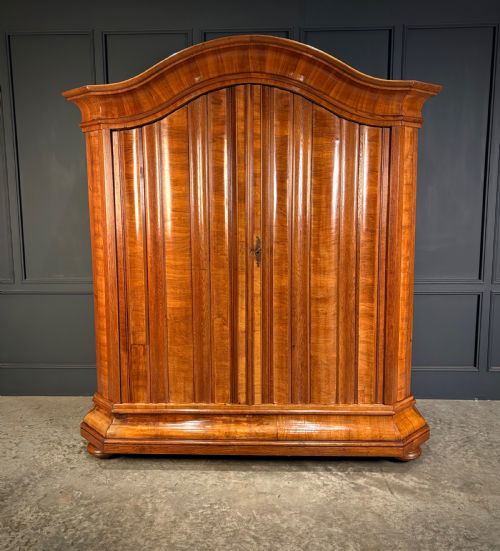
A continental walnut cupboard brings rich grain and deep colour to a room, offering practical storage disguised as antique furniture.

Continental Walnut Cupboard
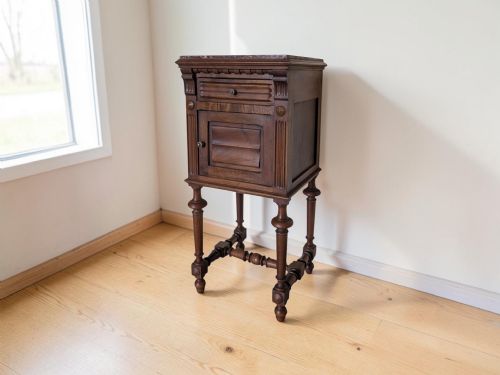
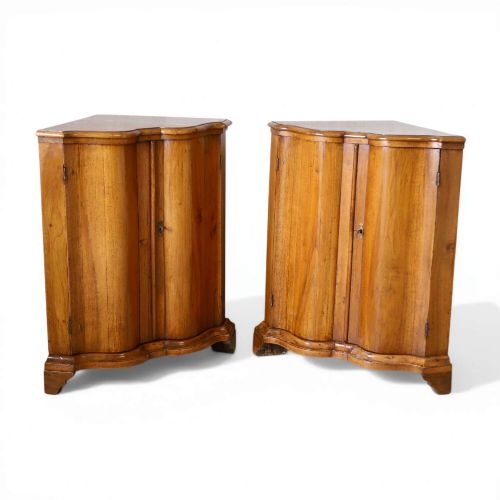
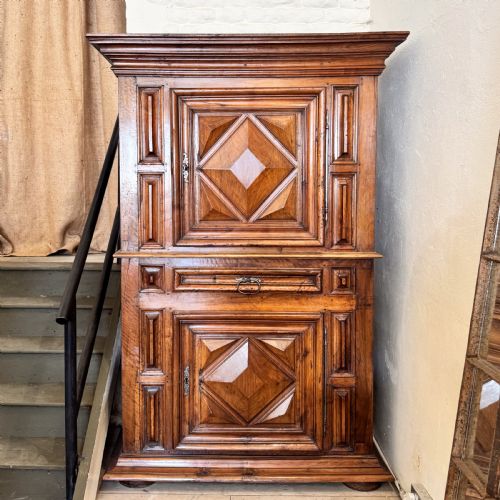
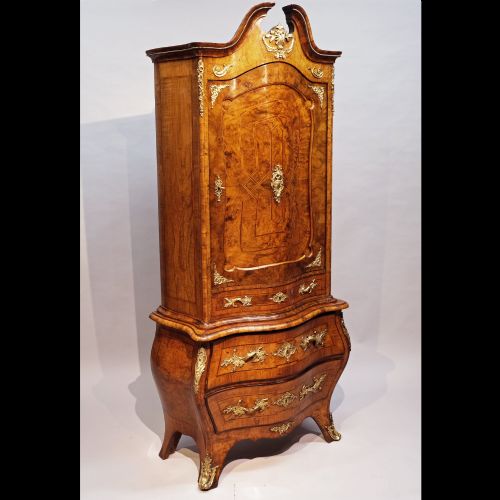
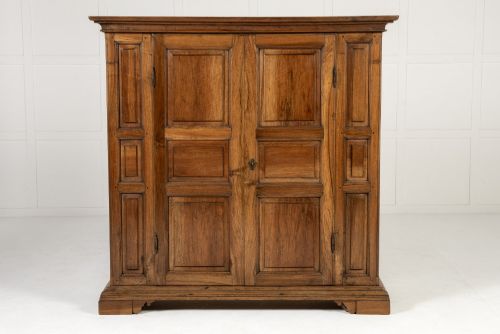
A continental walnut cupboard encompasses a broad range of storage pieces, from tall armoires and sideboards to hanging corner cabinets and bedside tables.
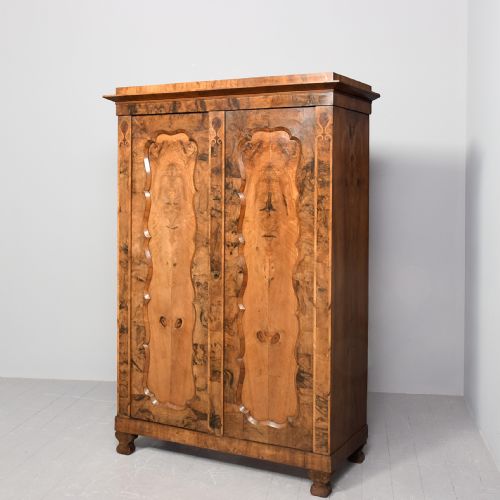
Italian examples from the eighteenth century appear frequently alongside nineteenth-century Biedermeier and Victorian revival pieces.
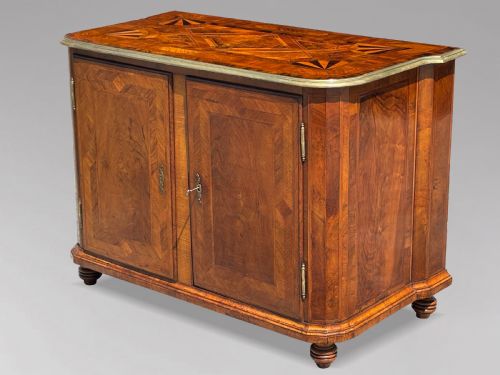
Buyers seeking a continental walnut cupboard will discover both grand monumental credenzas and smaller side cabinets suited to modern interiors.
Materials and construction
Cabinet makers utilised solid walnut and burr or figured walnut veneers over secondary timbers such as oak and fruitwood to create striking grain patterns.
Brass, iron, and glass hardware frequently accompany these pieces, while Carrara marble tops appear on select washstands and commodes.
Inlay, floral marquetry, and deep relief carving define the decorative surface treatments applied across the various regional workshops.
Continental Walnut Cupboard Retail Price Guide 2026
Typical asking prices for continental walnut cupboard among the pieces listed under this phrase on Sellingantiques today, from the lower quarter to the upper quarter. They describe what is for sale here now, not the wider market.
The listings span from the seventeenth century through to the early twentieth century, featuring Italian, German, and North European origins.
Standards of craftsmanship
Quality rests upon the selection of the timber, where highly figured burr walnut and matched veneers distinguish the finest items from plain stock.
The precision of the joinery and the depth of the hand carving separate monumental architectural pieces from standard production work.
The Continental Walnut Cupboard Glossary
- Burr walnut
- Wood taken from a tree growth where the grain has grown in a deformed manner, producing intricate patterns. It is sliced into thin veneers for decorative surfaces.
- Biedermeier
- A central European style spanning the nineteenth century characterised by utilitarian comfort and clean lines. It often highlights the natural grain of walnut without excessive ornamentation.
- Marquetry
- The art of applying pieces of veneer to a structure to form decorative patterns. Floral motifs frequently appear on these walnut surfaces.
- Credenza
- A sideboard or buffet cabinet used traditionally for storing and displaying utensils. Italian examples often display monumental proportions.
Continental Walnut Cupboard: Frequently Asked Questions
Where should I place a continental walnut cupboard?
These cabinets suit dining rooms, hallways, or living spaces where enclosed storage and a strong wooden presence are required.
Smaller corner cabinets and bedside versions fit neatly into compact areas while maintaining period character.
How do I care for walnut furniture?
Keep the timber away from direct heat sources and strong sunlight to prevent the walnut veneer from drying out or splitting.
Apply a traditional wax polish occasionally to nourish the grain and maintain the natural lustre of the surface.
Are these cupboards suitable for daily use?
The sturdy construction of oak and walnut interiors makes these pieces fully functional for modern storage needs.
Adjustable shelves and secure door locks on many nineteenth-century models add practical utility to historical design.
How do I distinguish eighteenth-century pieces from later revivals?
Early pieces often display hand-cut joinery, pegged joints, and regional Italian or German Baroque construction methods.
Revival furniture from the Victorian period or later frequently adopts machine-sawn elements and stylised historicism.