
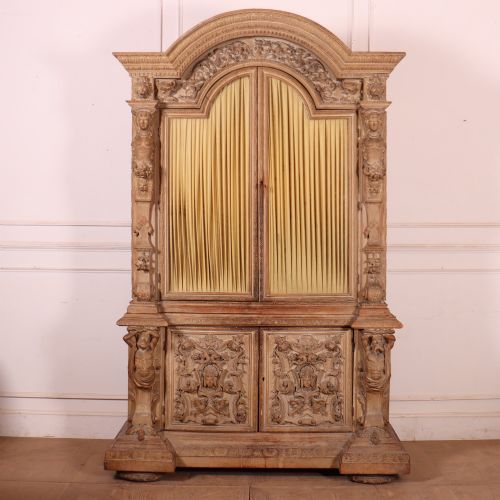

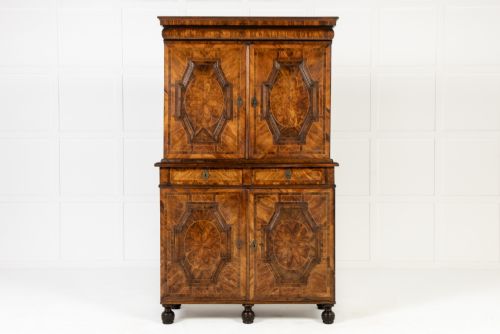

Baroque Carved Cabinet
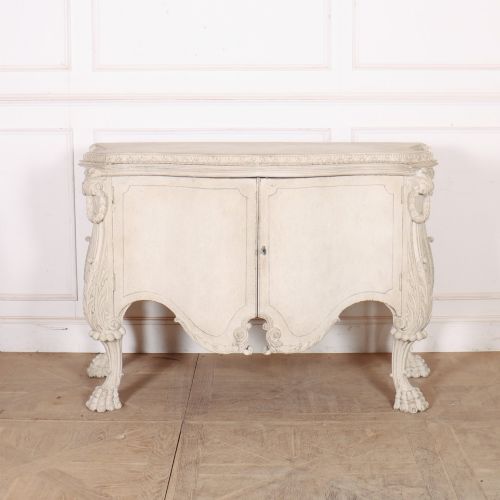
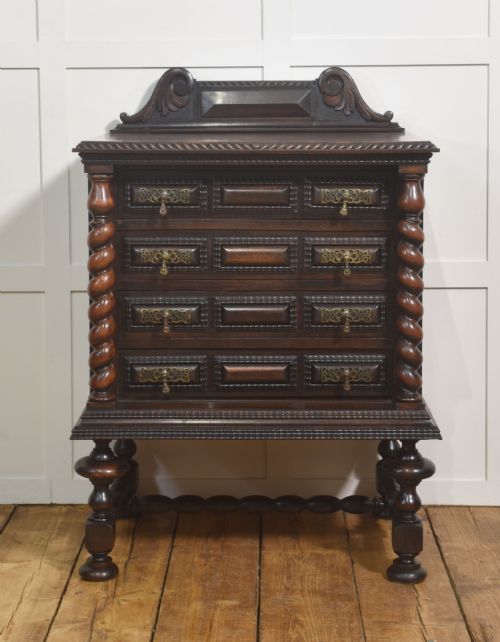
A baroque carved cabinet brings heavy timber, deep relief and architectural presence into a room.
Baroque Carved Cabinet
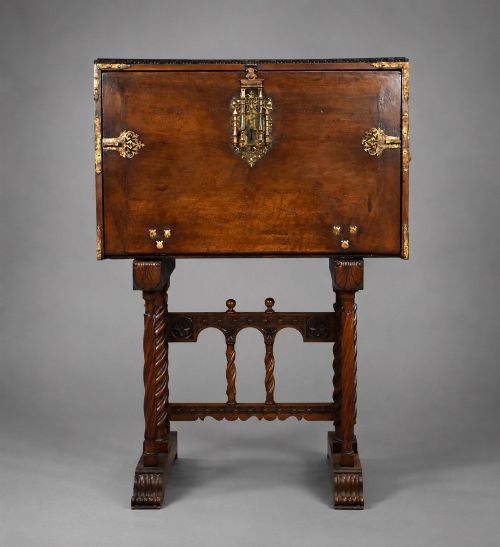
A baroque carved cabinet is a substantial storage piece built across the seventeenth and eighteenth centuries, though revival examples appear later. When you search for a baroque carved cabinet, you encounter regional variations from Italy, Spain, Flanders, Germany and the Netherlands.
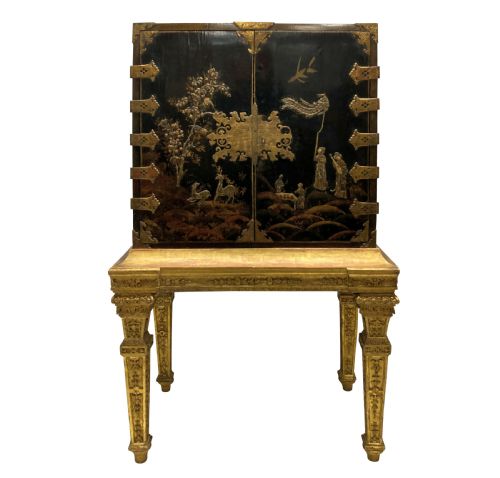
The forms range from monumental armoires and linen presses to compact cabinets on stands and specialised bargueño desks. Walnut, oak and rosewood dominate the construction, often enriched with fruitwood, ebony or marquetry inlay.
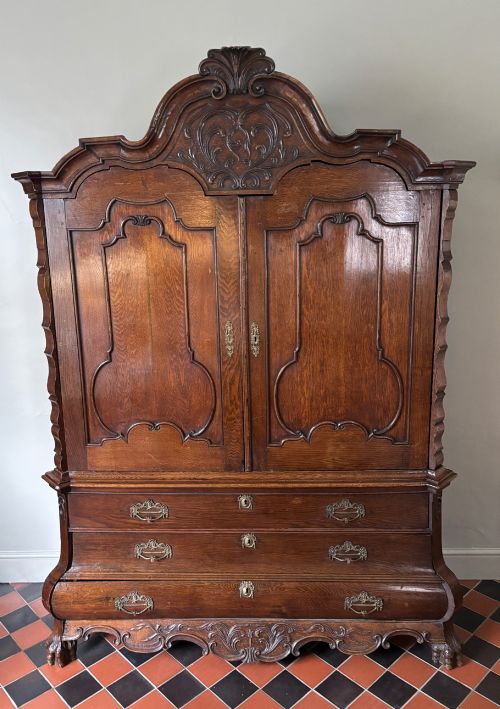
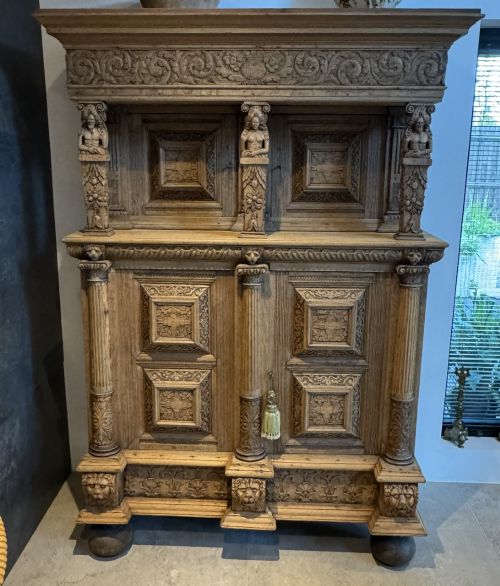
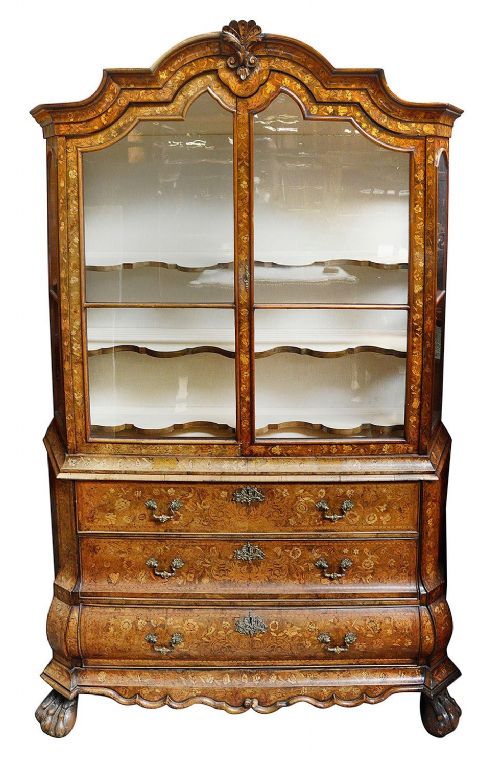
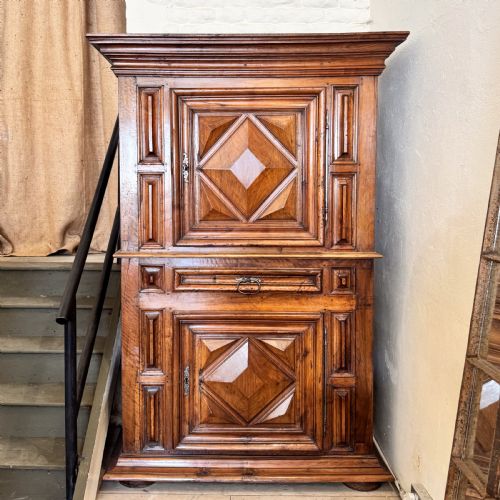
Continental workshops produced these items for domestic storage and display, utilising architectural cornices, panelled doors and carved figures. The surviving pieces show diverse continental styles, including Dutch, Italian and Flemish interpretations of the baroque aesthetic.
Materials and construction methods
Cabinetmakers built these pieces primarily using solid timbers like oak and walnut, overlaid with veneers of rosewood, olive wood or burr walnut on finer examples. Iron and brass hardware, including hinges, escutcheons and drop handles, secured the heavy doors and drawers.
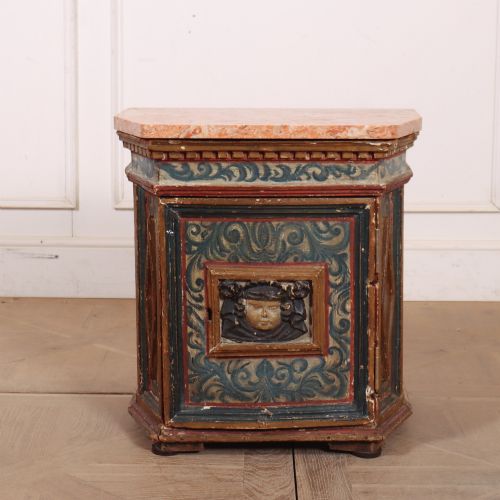
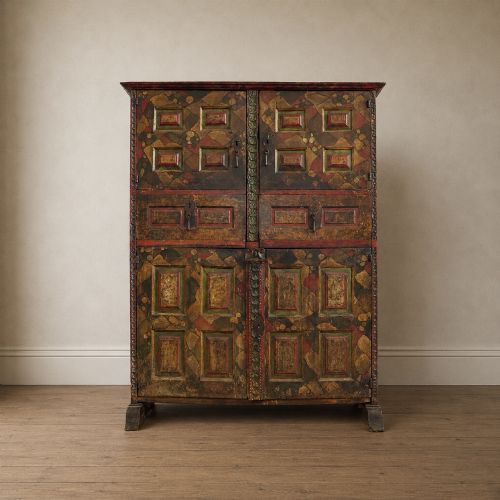
Carving, moulding and marquetry inlay formed the primary decorative vocabulary, executed in fruitwood, boxwood and ebony. Some surfaces received polychrome paint or clear polishing to protect the timber and highlight the grain.
Listings span periods from the seventeenth century through to the early twentieth century, incorporating walnut, oak, fruitwood and rosewood.
Assessing quality in early cabinetry
Quality rests upon the crispness of the timber carving and the architectural proportion of the overall carcass. Deeply undercut relief work and balanced symmetry separate standard utility storage from exceptional high-status commissions.
The selection of cabinet timbers dictates the visual weight, with figured oyster veneers and intricate marquetry showing superior workshop skill. Original mounts, intact stands and uncompromised structural joinery elevate the standing of any piece.
Simon Troger·Pauly et Cie
The Baroque Carved Cabinet Glossary
- Bargueño
- A portable writing cabinet, typically Spanish in origin, featuring a drop front and numerous small drawers.
- Kast
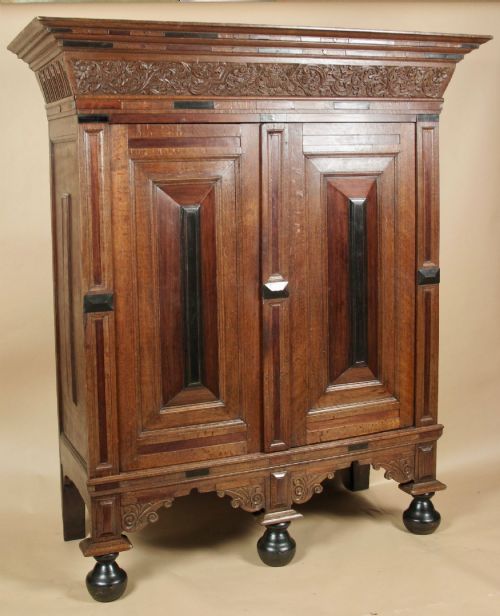
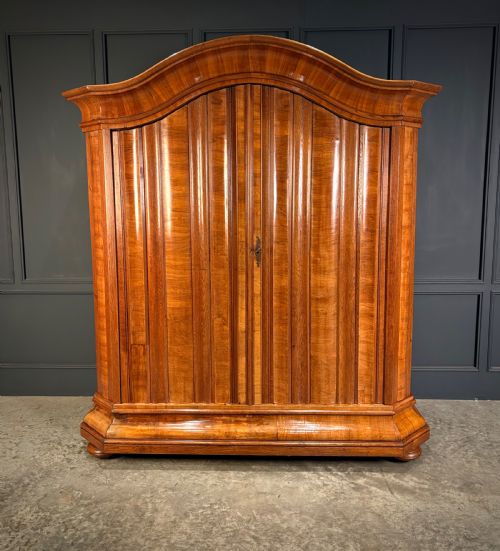
- A large, two-door Dutch or Flemish wardrobe or linen cupboard with heavy cornices and substantial feet.
- Marquetry
- Decorative patterns formed by inlaying small pieces of wood veneers into a contrasting timber background.
- Oyster veneer
- Circular cross-sections of branch wood sliced to create repeating oyster-shell patterns on cabinet fronts.
- Vitrine
- A glass-fronted display cabinet designed for exhibiting ceramics, books or curiosities.
Baroque Carved Cabinet: Frequently Asked Questions
What is a baroque carved cabinet used for?
These pieces served primary domestic functions for storing heavy linens, garments, books and valuable possessions. Their grand scale and decorative presence also marked status and wealth within merchant and aristocratic households.
Today, they function as substantial focal points in large rooms, holding tableware, collections or modern media while providing deep, concealed shelving space.
How do I identify a seventeenth century piece?
Seventeenth-century examples rely on heavy joined construction, dark native timbers like oak and walnut, and deep, hand-chisel relief carving. They often feature panelled doors and robust architectural mouldings rather than delicate veneers.
Later revival pieces built in the nineteenth century may mimic these forms but often reveal machine-sawn timber marks, different secondary woods, or lighter carcass construction upon close inspection.
Where were these cabinets made?
The listings show diverse continental European origins, predominantly from Italy, the Netherlands, Flanders, Germany, Spain and Scandinavia. Each region developed distinct regional characteristics, such as the prominent cushion fronts of Dutch kasts or the polychrome decoration of Spanish cupboards.
Master cabinetmakers in these urban workshops adapted the overarching baroque style to suit local timber supplies and domestic architecture.
How should I care for an antique cabinet?
Keep wooden furniture away from direct heat sources, radiators and strong sunlight to prevent the timber and delicate veneers from drying, warping or cracking. Maintain a stable room temperature and humidity level.
Apply a traditional beeswax polish occasionally to nourish the timber, buffing it gently with a soft cloth rather than using modern liquid silicones or harsh chemical cleaners.