

Iron Stick Stand
An iron stick stand organises walking canes and wet umbrellas in a hallway, combining utility with decorative metalwork from the nineteenth and early twentieth centuries.
Iron Stick Stand
An iron stick stand is a hall furnishing designed to hold umbrellas, walking sticks and parasols upright in the entrance of a house. The items seen on this page span the Victorian, Edwardian, and Art Deco periods, stretching from the mid-nineteenth century into the 1930s.
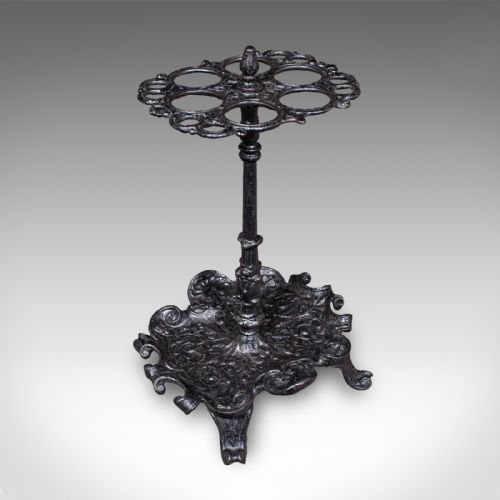
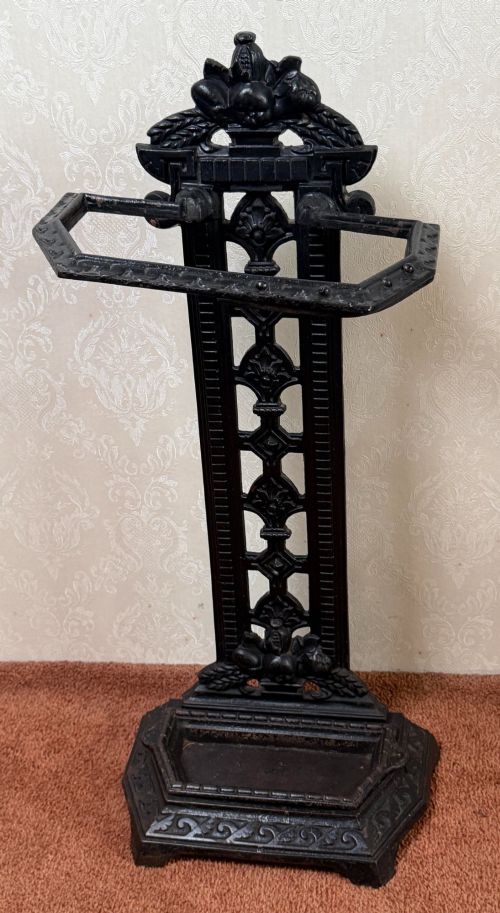
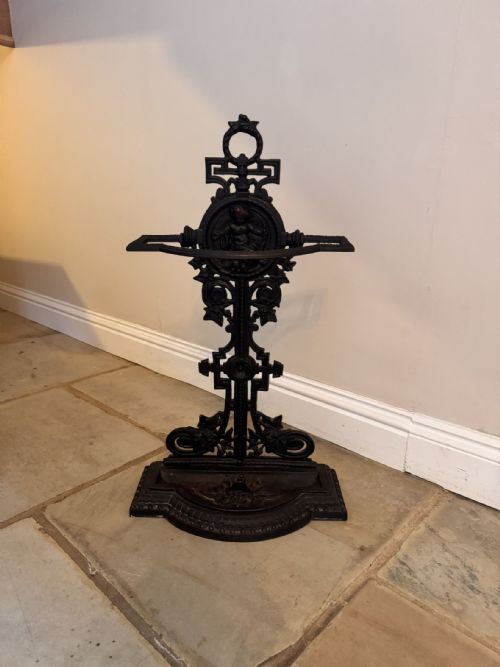
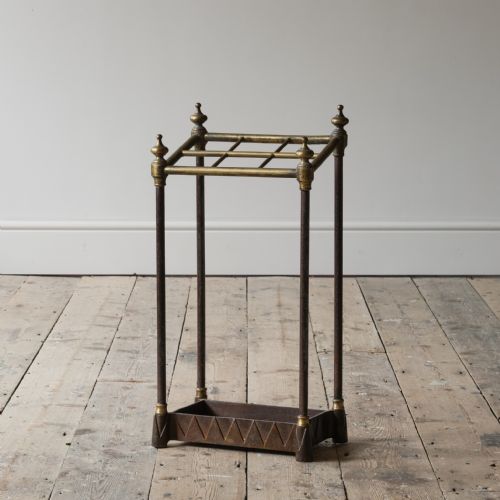
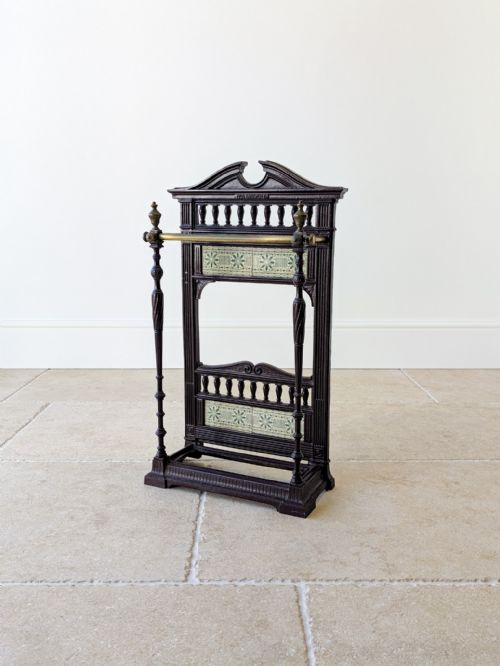
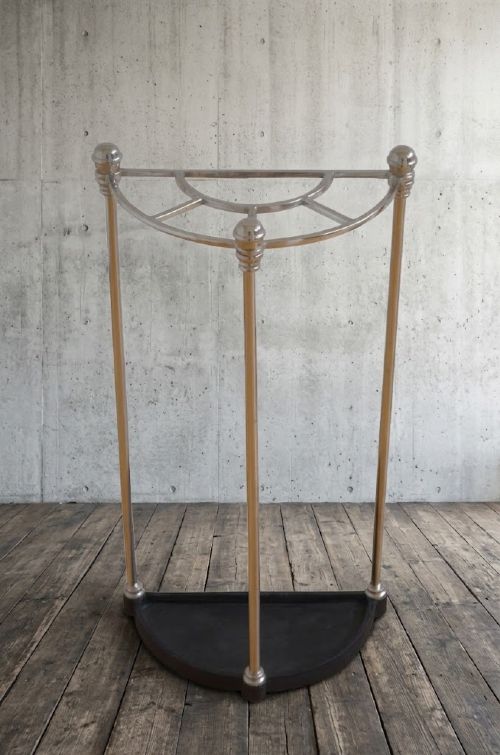
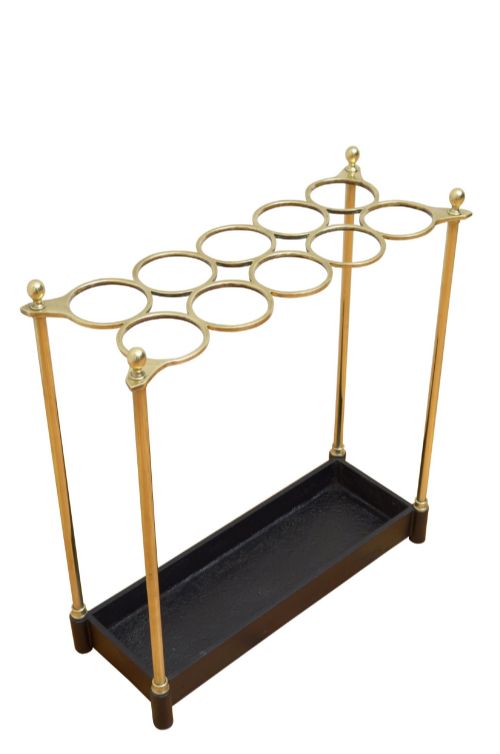
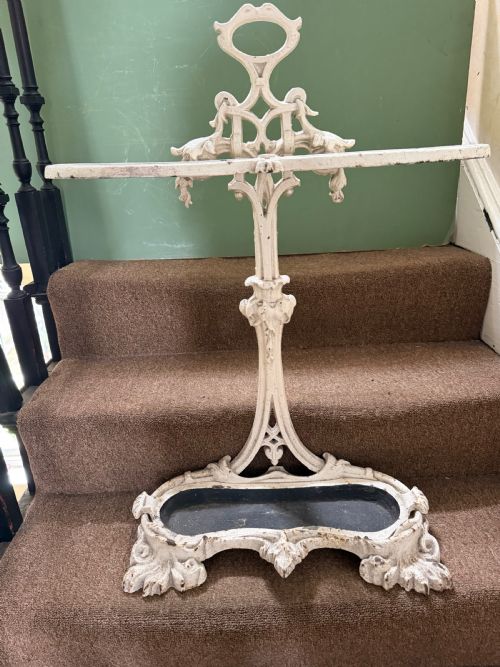
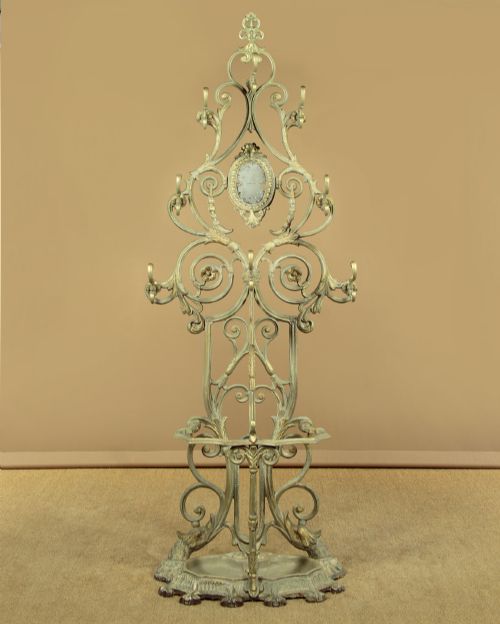
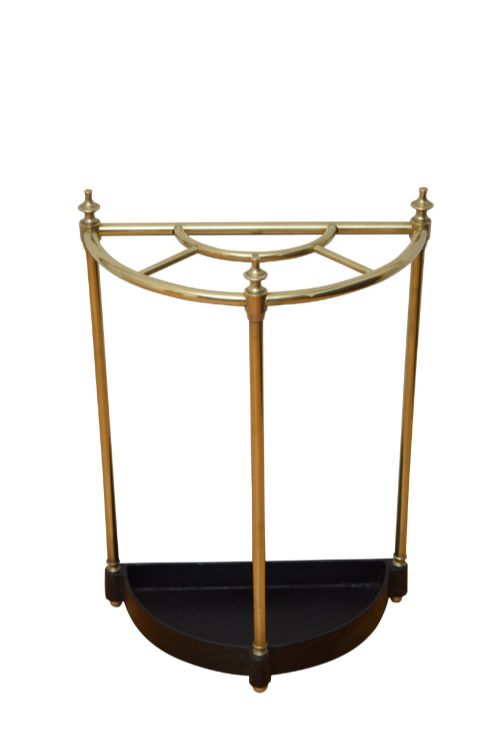
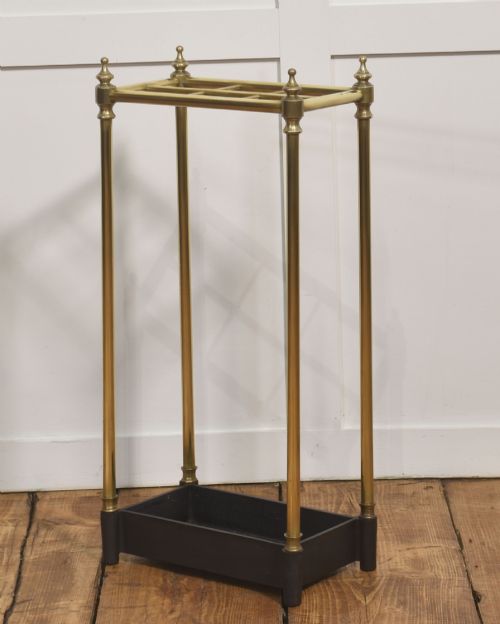
The standard version met most frequently here is cast iron, often paired with a removable brass or ceramic drip tray at the base. These stands take various forms, including rectangular floor units, demi-lune shapes designed to sit flat against a wall, and combined hall stands incorporating coat hooks and mirrors.
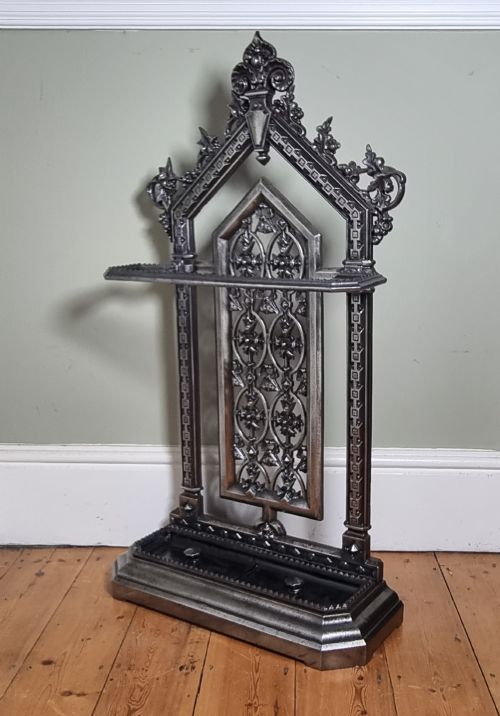
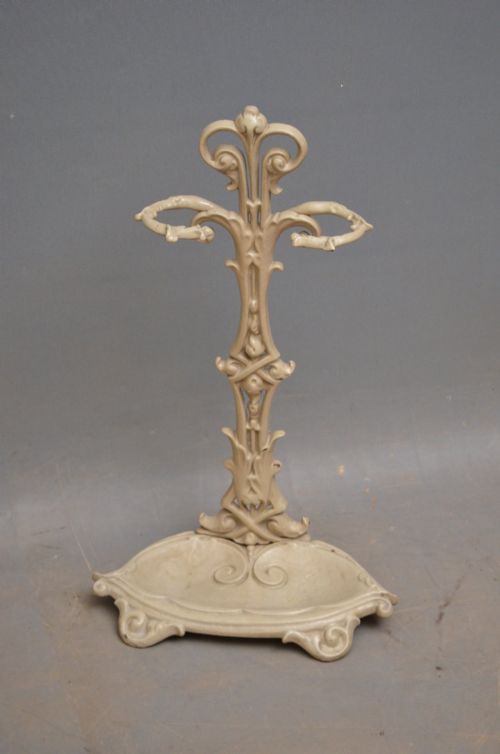
Originating largely from British and French foundries, these pieces display diverse aesthetic influences ranging from Gothic and Aesthetic Movement designs to flowing Art Nouveau plant forms and geometric Art Deco styling.
How they were made
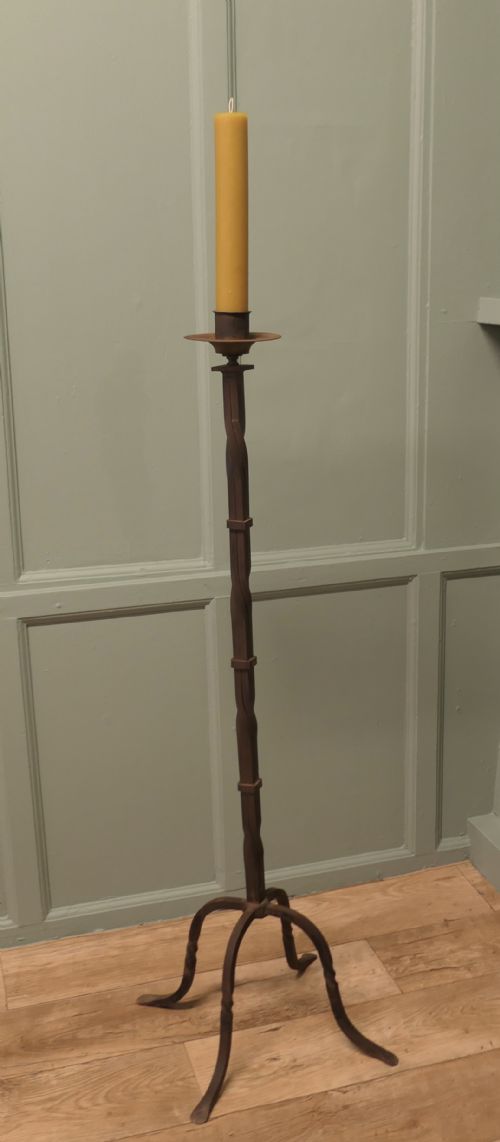
Foundries produced these pieces primarily through sand casting, pouring molten iron into moulds to create intricate openwork patterns, structural frames, and relief motifs. Wrought iron and steel also appear in certain frameworks, shaped by hammering and riveting rather than casting.
Brass elements such as top rails, decorative finials, and ball accents were manufactured separately and bolted or screwed onto the main iron body. Drip trays were frequently formed from sheet brass, zinc, or white enamel to catch water from wet umbrellas without rusting the floor.
Certain Victorian stands depict mythological figures like Hercules battling the serpent, or unusual subjects like a suited footballer.
What varies in quality
Quality in an iron stick stand rests in the crispness of the casting and the ambition of the design. Foundries using well-prepared moulds produced sharp details in relief, whereas worn moulds yield blurred foliage and indistinct figures.
The integration of materials also defines the tier of the piece. Better examples combine heavy cast iron frames with solid brass rails, secure drip trays, and marked maker plates, whereas simpler utilitarian versions rely on plain iron bars and minimal ornamentation.
Coalbrookdale·Thomas Jeckyll·Falkirk Ironworks·Robinson Crusoe
The Iron Stick Stand Glossary
- Demi-lune
- A half-moon shape designed to stand flush against a hallway wall. This profile allows the stand to occupy less floor space while holding multiple walking sticks.
- Drip pan
- A removable tray placed at the base of the stand to collect water from wet umbrellas. These trays are commonly made of brass, zinc, or ceramic.
- Faux bamboo
- A decorative moulding technique that mimics the segmented joints of bamboo stalks. This finish appears frequently on nineteenth-century French cast iron frames.
- Finial
- A decorative terminal ornament placed at the top corners or peaks of a metal frame. They are frequently cast in brass or formed as spherical balls.
- Division
- A section within the upper rail that separates individual umbrellas and sticks. More divisions allow for a larger capacity in floor stands.
Iron Stick Stand: Frequently Asked Questions
Where should an iron stick stand be placed?
These stands belong in an entrance hall, porch, or boot room where wet umbrellas and walking canes accumulate near the door. Their heavy metal construction provides a stable base on stone, tile, or wooden flooring.
Placing the stand on a hard surface protects interior floors from residual moisture dripping from damp umbrella canopies.
How do I care for cast iron metalwork?
Maintenance involves dusting the openwork frame with a dry brush and removing accumulated water from the base tray regularly. Keeping the drip pan dry prevents mineral deposits and rust from forming on adjacent metal surfaces.
Applying a light microcrystalline wax to the iron helps protect the painted or patinated finish from moisture in active hallways.
How can I date an iron stick stand?
Dating relies on stylistic clues, construction methods, and registration marks cast into the metal. Mid-nineteenth century pieces often show Gothic or Aesthetic Movement motifs, while later examples incorporate Art Nouveau curves or Art Deco symmetry.
Foundry stamps and design registry numbers stamped on the reverse offer precise chronological markers for identification.
What is the difference between cast and wrought iron?
Cast iron is poured into a mould while molten, resulting in rigid, highly detailed structures with brittle properties. Wrought iron is heated and worked by hand with hammers, producing fibrous material suited for bent frames and riveted joints.
Many hall stands combine both techniques, using cast iron for decorative backplates and wrought iron or brass for structural rails.