







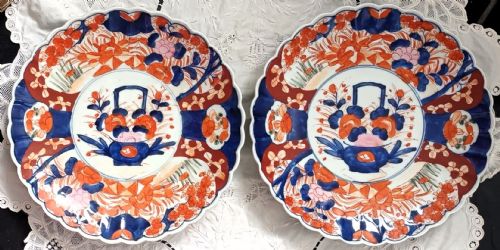
Iron Red Imari Dish
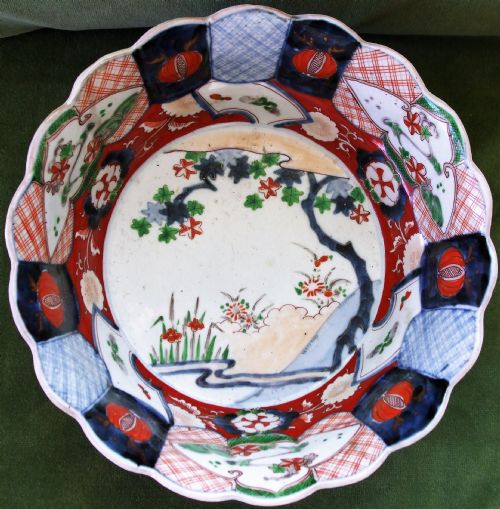
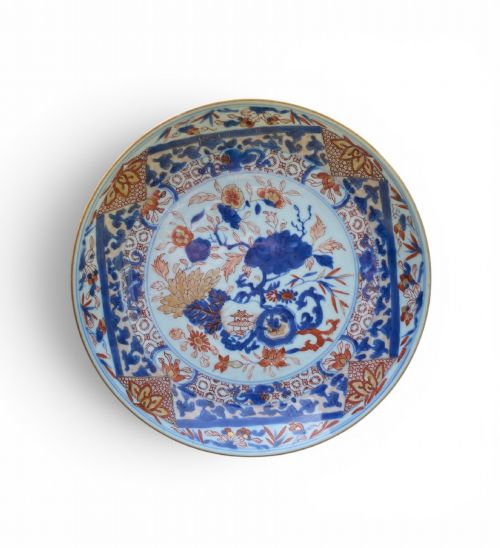
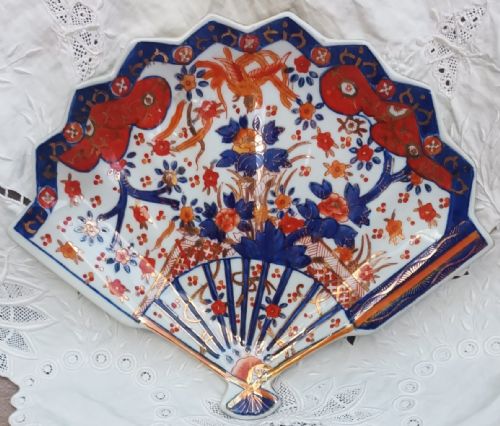
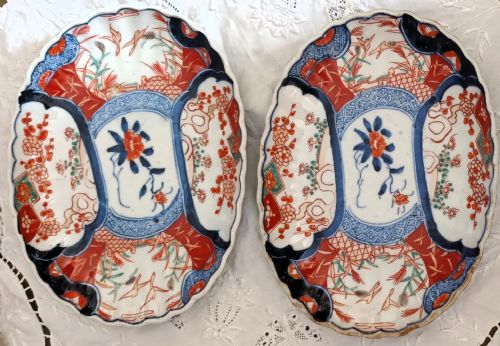
An iron red imari dish brings together rich cobalt underglaze and vibrant iron red enamel on porcelain, offering a traditional decorative focal point for any interior.
Iron Red Imari Dish
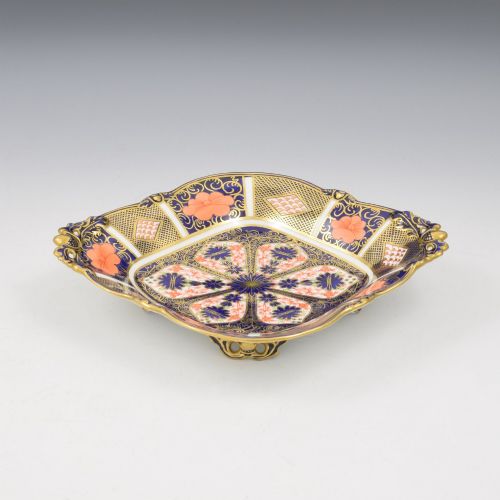
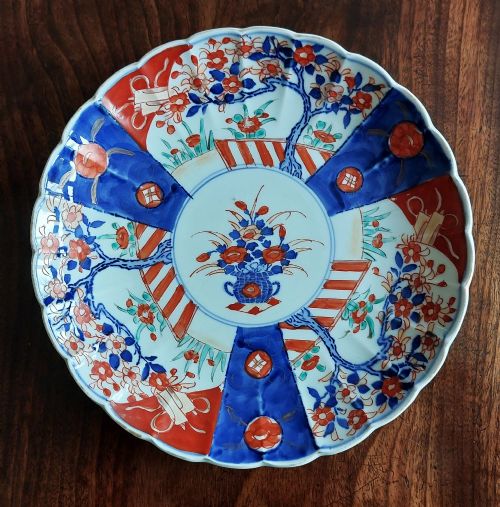
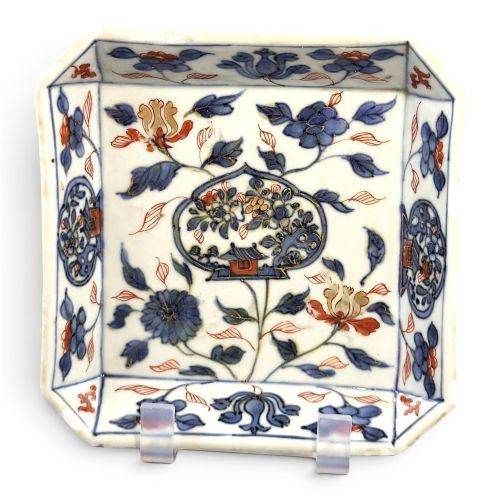
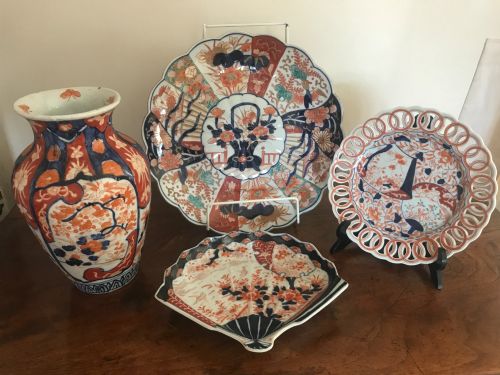
An iron red imari dish is a ceramic vessel created for ornamental display, taking the form of plates, chargers, bowls, and trays. These pieces span the eighteenth century through to the early twentieth century, originating from Japanese production during the Edo and Meiji periods alongside Chinese export kilns and English workshops.
Buyers encountering this selection will frequently find Japanese Meiji period examples featuring scalloped edges, hexagonal shapes, and hand-painted floral and bird motifs. Alongside these, eighteenth-century Chinese export pieces and English interpretations provide a broad range of forms from round chargers to chamfered square bowls.
How they were made
The foundation of an iron red imari dish is hard-paste porcelain or ceramic, shaped by hand or moulded into plates, bowls, and chargers with varying profiles like hexagonal or scalloped edges. Artisans applied cobalt underglaze directly to the unglazed or bisque body before the primary firing.
Following the initial glaze firing, enamels including iron red and gold leaf or gilding were hand painted over the glaze in intricate floral, bird, and figural designs before a secondary, lower-temperature firing fixed the colours.
Listings feature porcelain and ceramic pieces utilising cobalt underglaze, enamel, and gold leaf across the Georgian, 18th century, and Meiji periods.
What varies in quality
Quality in an iron red imari dish rests upon the precision and execution of the hand-painted brushwork across the surface. Pieces featuring crisp cobalt lines and meticulously applied iron red enamel with gold leaf accents demonstrate superior craftsmanship compared to simpler, repetitive applications.
The complexity of the form also dictates the tier of the piece, with unusual shapes like hexagonal plates, ribbon borders, and heavily scalloped edges requiring greater skill from the potter than standard round chargers.
Royal Crown Derby
The Iron Red Imari Dish Glossary
- Cobalt underglaze
- A blue pigment applied to ceramic pieces before glazing and firing, forming deep blue elements beneath the clear surface layer. It remains stable at high kiln temperatures.
- Enamel
- Coloured glass powder mixed with a medium and applied over the fired glaze before a lower-temperature fixing. Iron red is the predominant colour in this palette.
- Gilding
- The application of gold leaf or gold powder to accentuate specific details of a design. It highlights borders and central motifs on decorative ceramic surfaces.
- Charger
- A large ornamental plate intended primarily for display on walls or sideboards rather than dining use. These large vessels showcase expansive painted compositions.
- Meiji Period
- The era in Japanese history spanning from 1868 to 1912, characterised by prolific ceramic production for both domestic and export markets.
Iron Red Imari Dish: Frequently Asked Questions
How were iron red imari dishes used?
These vessels served primarily as decorative display items in homes, placed on tables, hung on walls as chargers, or utilised for serving special occasions.
Their striking palette of iron red, cobalt blue, and gold made them centrepieces in both Eastern and Western interiors.
How do I date an iron red imari dish?
Dating relies on examining the ceramic body, the style of the hand-painted motifs, and the specific hues of the iron red enamel and cobalt underglaze.
Pieces from the eighteenth century often exhibit different potting characteristics and cobalt tones compared to those produced during the Meiji period or early twentieth century.
Are Chinese and Japanese imari different?
While sharing a similar aesthetic of cobalt blue, iron red, and gilding, Chinese export pieces from the Kangxi or Qing dynasties display distinct potting and stylistic nuances.
Japanese examples from the Edo and Meiji periods often feature specific Japanese motifs like the Seven Lucky Gods and distinct edge treatments.
How should I display an imari dish?
Larger chargers are traditionally displayed on sturdy wall hangers or plate stands to showcase the entirety of the hand-painted surface design.
Smaller dishes, bowls, and trays suit cabinet placement or table centres where the interior detailing and scalloped edges remain visible.