






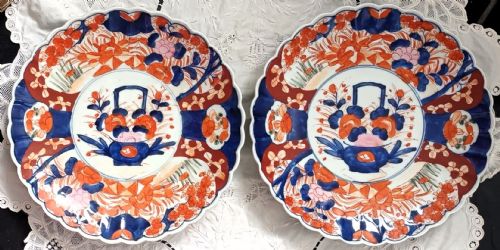
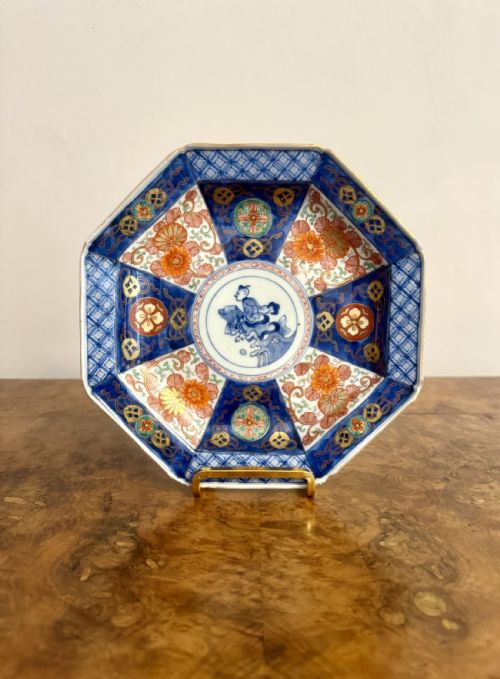
Iron Red Imari Charger
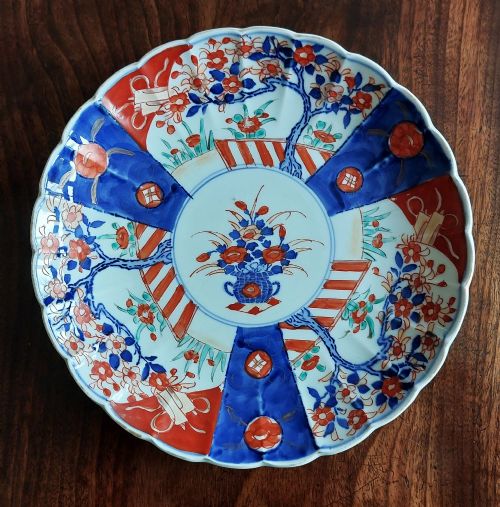
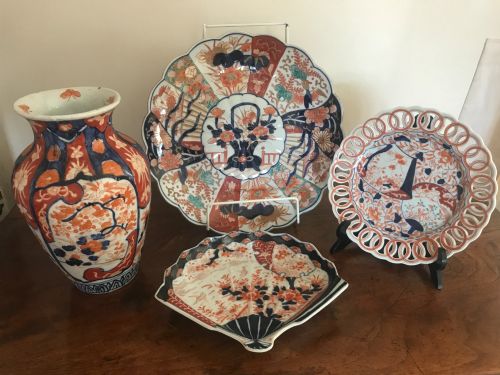
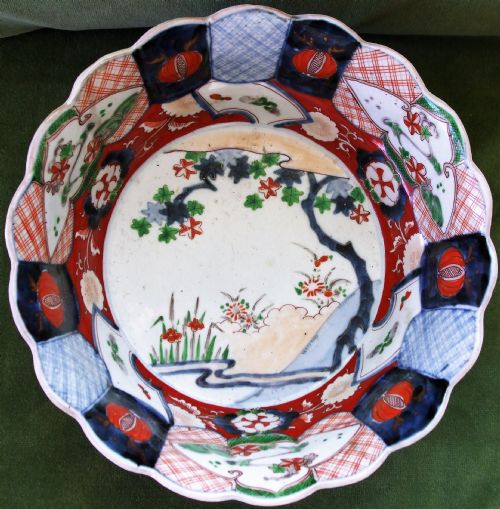
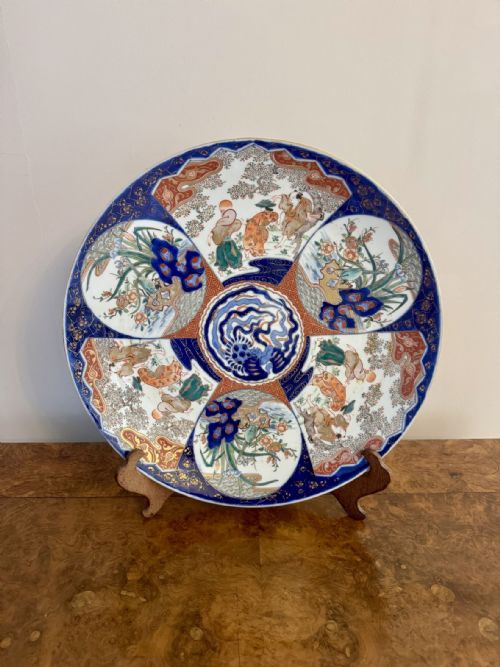
An iron red imari charger brings bold palettes of cobalt and rust into the room, combining painted bird, floral and deity motifs on heavy porcelain.
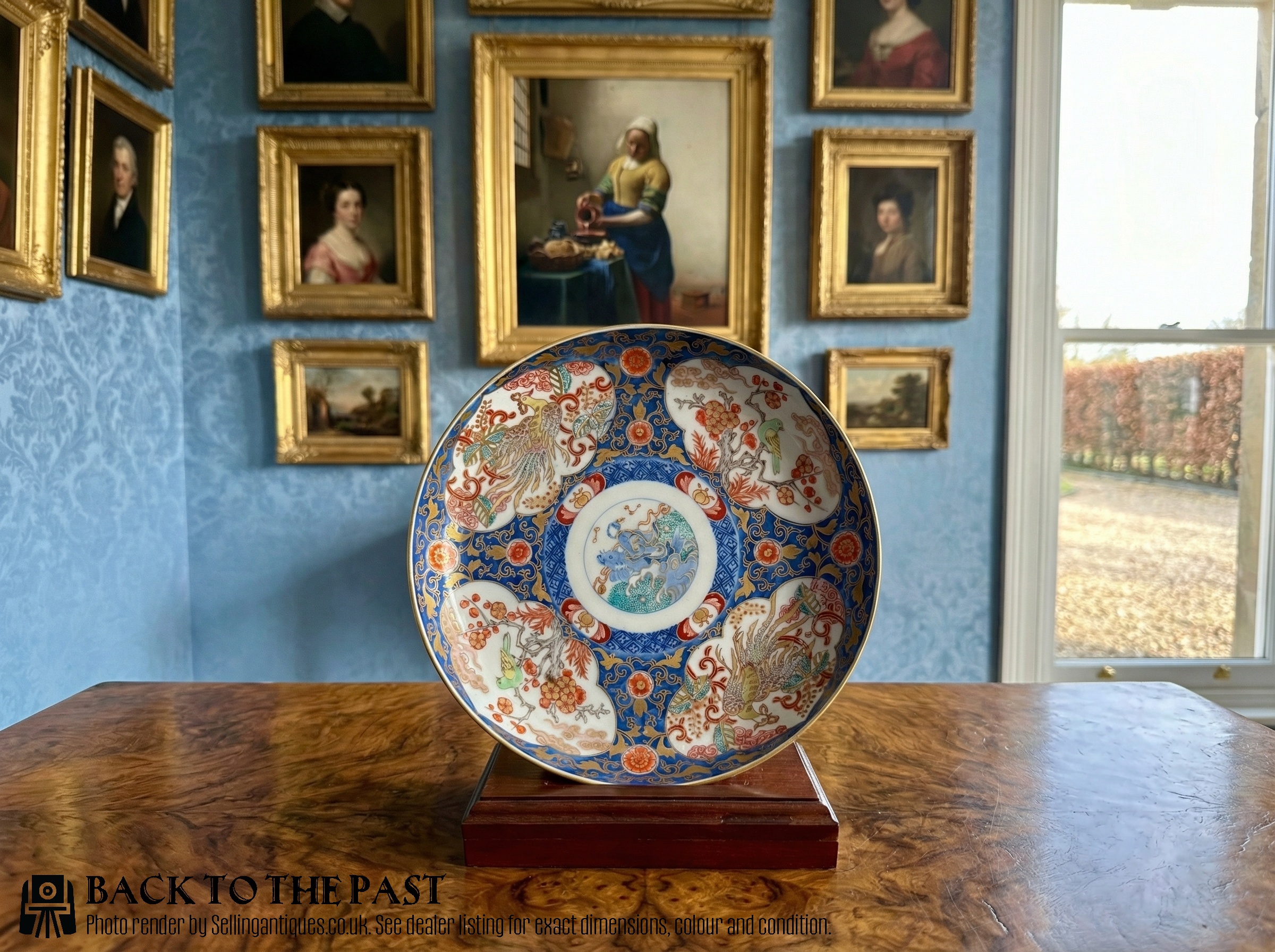
Iron Red Imari Charger
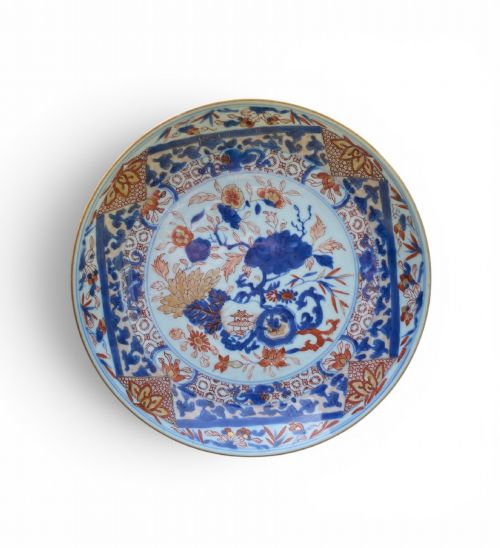
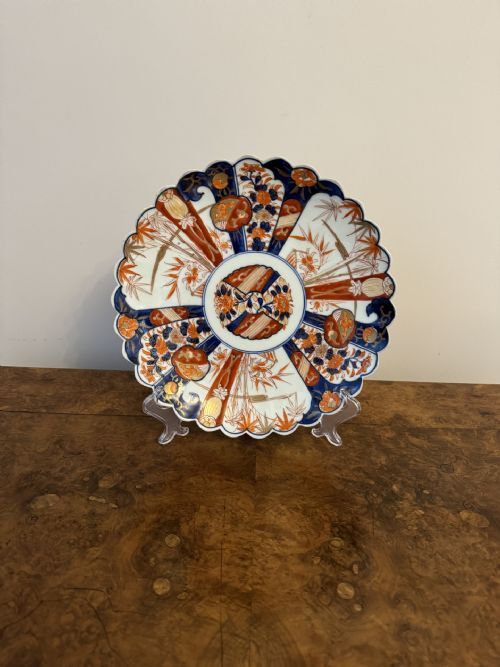
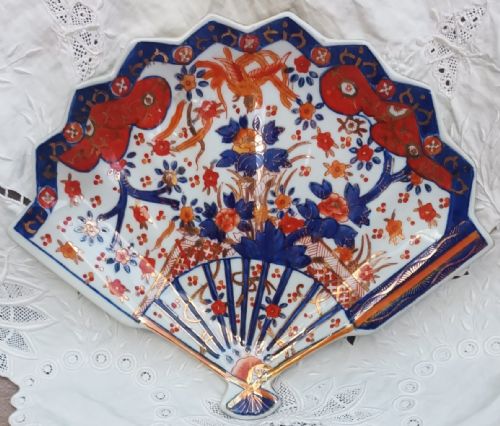
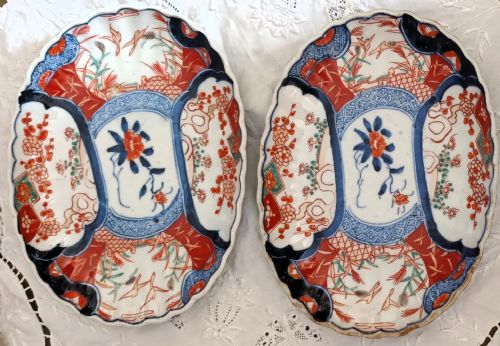
An iron red imari charger is a broad decorative plate or dish, typically originating from Japan during the Meiji period or late nineteenth century, alongside occasional eighteenth century Chinese export pieces. These large ceramic display items span circular, hexagonal and scalloped forms designed for prominent placement.
The aesthetic centres on a striking contrast between deep cobalt underglaze blue and vibrant iron red enamel, often heightened with gold leaf or gilding. Such pieces depict traditional motifs including exotic birds, floral arrangements and the Seven Lucky Gods.
How they were made
Potters shaped high-fired porcelain and ceramic bodies before applying cobalt underglaze for the primary blue designs. Enamel colours and gilding went on during a secondary firing stage to fix the characteristic iron red and gold details.
Hand painting ensured that every charger received individual brushwork, resulting in slight variations across plates, bowls and decorative dishes.
Listings feature porcelain and ceramic items spanning the eighteenth century, the Victorian era, and the Meiji period.
What varies in quality
The standard of a charger rests upon the precision of the hand-painted brushwork and the richness of the palette, particularly the depth of the cobalt underglaze and the vibrancy of the iron red enamel. Pieces with carefully applied gold leaf or gilding display a finer finish.
Form also dictates distinction, as unusual shapes like hexagonal or intricately scalloped edges demand greater skill from the ceramicist than simple round plates.
The Iron Red Imari Charger Glossary
- Charger
- A large decorative plate intended for display rather than dining. These wide vessels provide a expansive canvas for intricate painted scenes.
- Imari
- A style of Japanese porcelain featuring a distinct palette of underglaze blue, iron red, and gold. The name derives from the port where wares were shipped.
- Meiji Period
- An era in Japanese history spanning from 1868 to 1912, known for prolific ceramic production aimed at export markets. Pieces from this time often exhibit elaborate bird and floral motifs.
- Cobalt Underglaze
- A blue pigment applied to the raw ceramic body before glazing and firing. This technique creates durable designs that sit beneath a clear protective finish.
- Gold Leaf
- Extremely thin sheets of gold applied to the surface for ornamentation. It accentuates the iron red and blue elements on many chargers.
Iron Red Imari Charger: Frequently Asked Questions
How were iron red imari chargers displayed?
These large plates were primarily created for decorative display on walls, tables or cabinets rather than everyday dining.
Their substantial size and vibrant colour palette made them focal points in nineteenth-century interiors.
What distinguishes Japanese imari from Chinese export imari?
Japanese examples tend to feature denser compositions with vivid iron red and cobalt underglaze alongside heavy gilding.
Chinese export pieces, produced for western markets, often follow slightly different stylistic conventions in their floral and border patterns.
How do I care for antique porcelain chargers?
Keep these ceramic pieces away from direct sunlight to preserve the vibrancy of the enamel and gold leaf.
Dust them gently with a soft, dry cloth and avoid harsh cleaning products that might damage the glaze.
What periods do these chargers date from?
The pieces available span from the eighteenth century through the Victorian era up to the early twentieth century.
Meiji period examples from the late nineteenth century appear most frequently among the listings.