









Iron Red Ceramic Charger
An iron red ceramic charger brings rich painted colour and bold display presence to a wall or table.
Iron Red Ceramic Charger
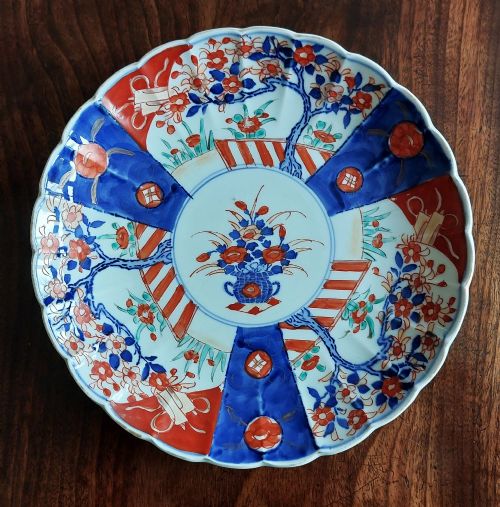
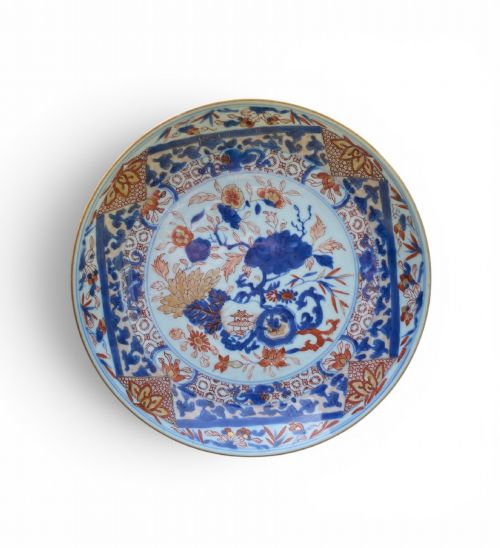
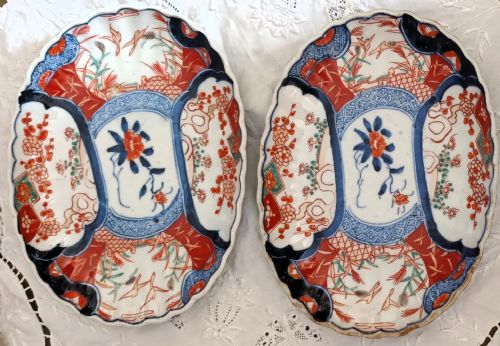
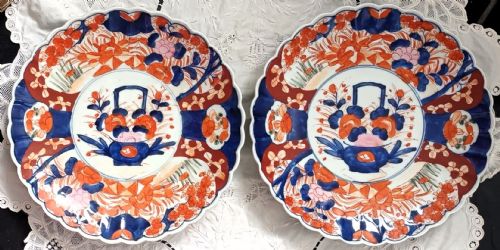
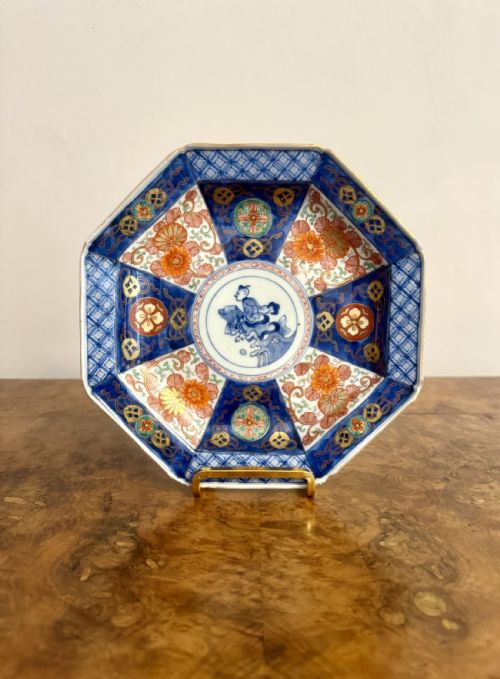
An iron red ceramic charger is a large decorative plate or dish created for display rather than dining. The pieces gathered under this phrase span the eighteenth, nineteenth and early twentieth centuries, drawing heavily upon Japanese Imari and Chinese export traditions.
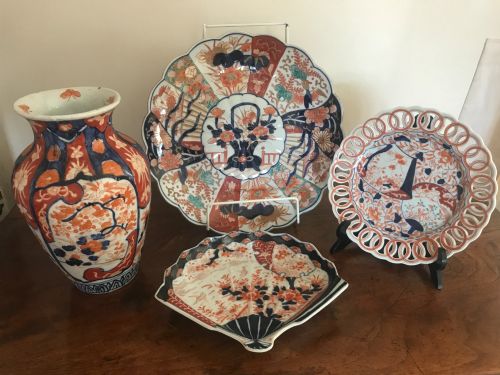
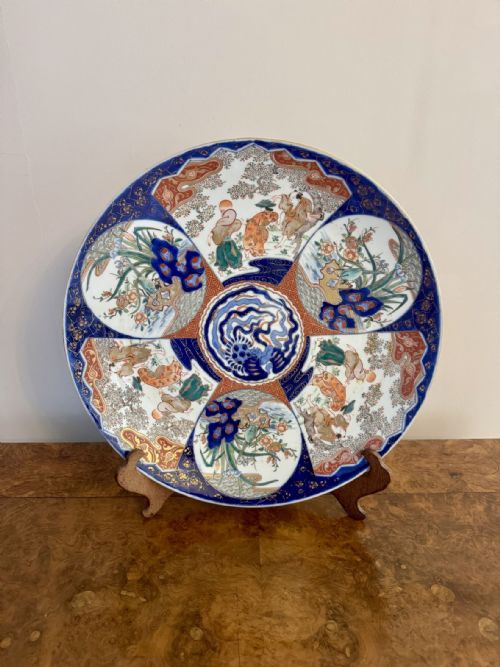
Most examples encountered here originate from the Meiji period or the nineteenth century, taking the form of large round, square, scalloped or hexagonal plates. They depict birds, floral motifs and figures rendered in distinctive palettes.
The selection ranges from single large chargers to pairs and small collections, offering versatile options for wall mounting or cabinet display.
How they were made
Potters shaped porcelain and ceramic bodies by hand or mould before applying underglaze cobalt, enamel, and iron red pigments. Gilding and gold leaf were often added to highlight specific details within the painted design.
The decorated pieces underwent multiple firings in kilns to fix the intricate glazes and metallic accents onto the ceramic surface.
Several plates depict the Seven Lucky Gods sharing space with exotic birds, proving that ancient deities appreciate good company.
What varies in quality
Quality depends upon the precision of the hand painting and the complexity of the composition, particularly in the rendering of exotic birds, floral patterns, and figures like the Seven Lucky Gods. Crisp lines and harmonious colour application distinguish finer works from simpler production pieces.
The weight and finish of the porcelain body, alongside the richness of the gilding and iron red enamel, dictate the overall standing of an individual charger.
The Iron Red Ceramic Charger Glossary
- Charger
- A large decorative plate traditionally used for ceremonial display or serving. These substantial dishes measure well beyond standard dining ware.
- Imari
- A style of Japanese porcelain featuring a distinct palette of iron red, cobalt blue, and gilt highlights. The style originated in the town of Arita and heavily influenced European and Chinese export porcelain.
- Meiji Period
- The era in Japanese history spanning from 1868 to 1912, marked by opening trade with the West and prolific ceramic production. Pieces from this time often display confident brushwork and rich ornamentation.
- Cobalt Underglaze
- A blue pigment applied directly to the raw ceramic body before glazing and firing. This technique ensures the blue colour remains permanently sealed beneath a clear glassy layer.
- Gilt
- A thin layer of gold applied to the surface of the ceramic to accent patterns and borders. It catches the light and contrasts with the deep iron red and blue tones.
Iron Red Ceramic Charger: Frequently Asked Questions
How do I hang a heavy charger safely?
Large ceramic chargers require specialist wall brackets that distribute weight evenly across the base and rim. Avoid wire hangers that grip only the edges without secure support.
Ensure the fixing goes directly into a wall stud or uses appropriate masonry plugs to hold the substantial weight of nineteenth-century porcelain.
What is the difference between Imari and Chinese export?
Japanese Imari typically employs a dense combination of iron red, underglaze blue, and gold on thick porcelain. Chinese export pieces made in similar styles often exhibit different paste textures and slightly distinct brushwork.
Examining the foot ring and body density helps clarify the specific geographical origin of each dish.
Can I use these chargers for serving food?
Antique ceramic chargers are intended for decorative display rather than daily culinary use. Historic glazes and delicate overglaze enamels can wear away or absorb moisture from food.
Protecting the surface keeps the iron red pigments and gilt detailing intact for future appreciation.
How do I date a nineteenth-century ceramic plate?
Dating relies upon observing the characteristics of the paste, the vibrancy of the enamel colours, and any base marks present. Nineteenth-century examples often show specific potting traits tied to the Meiji or late Victorian eras.
Comparing the decorative motifs with documented pieces provides further clues to the manufacturing decade.