




Iron Red Ceramic Bowl
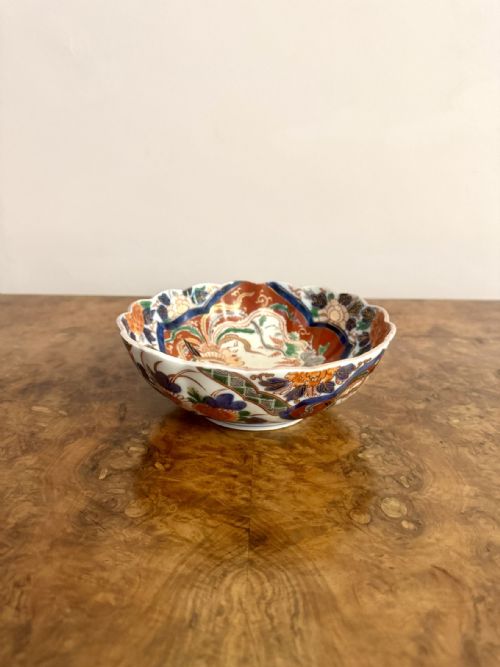
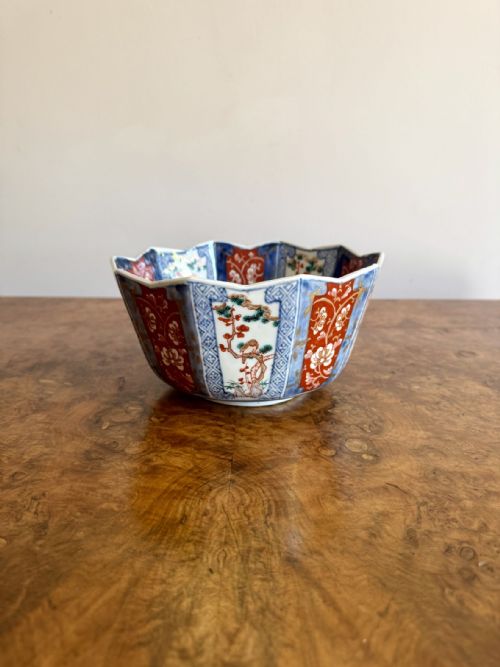
These iron red ceramic bowl examples bring together centuries of export porcelain traditions from Japanese Imari to Chinese Qing wares.
Iron Red Ceramic Bowl
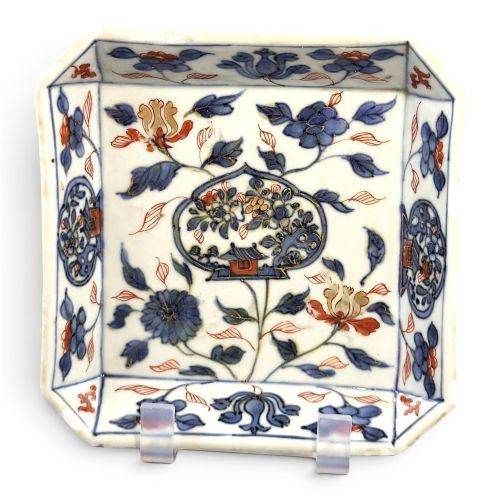
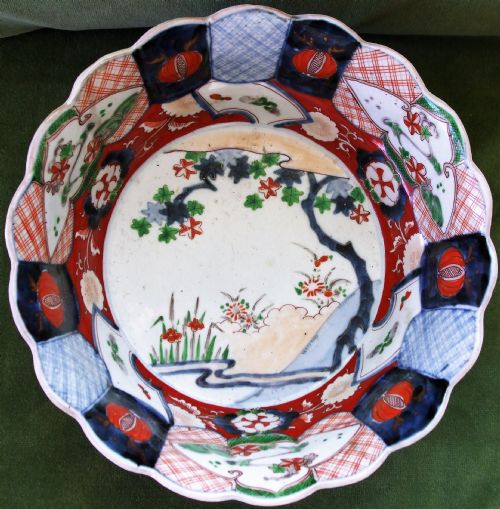
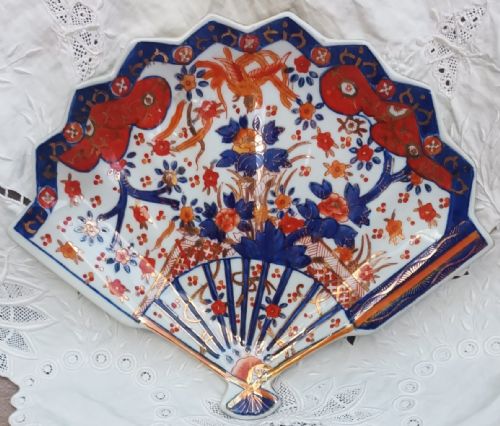
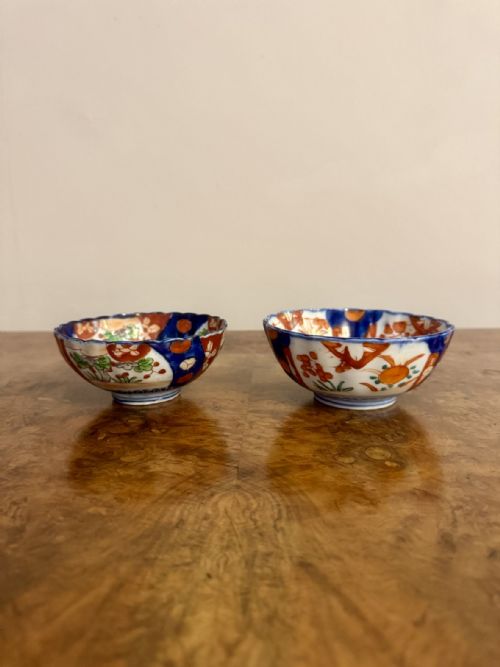
When you search for an iron red ceramic bowl, you encounter a selection spanning the eighteenth and nineteenth centuries, featuring both Chinese export pieces and Japanese Meiji period examples. The offerings lean heavily towards Japanese Imari porcelain bowls, plates, and dishes displaying scalloped edges or hexagonal forms alongside eighteenth century Chinese pieces.
The assortment includes decorative bowls, dishes, and jardinieres originating from distinct historical eras such as the Georgian and Edwardian periods. Pieces range from small domestic bowls to large display chargers and tripod vessels.
Most entries reflect Asian export ceramics, incorporating traditional forms like boat shaped dishes and fluted bowls. Collectors find both single decorative items and matched pairs amongst the selections.
How they were made
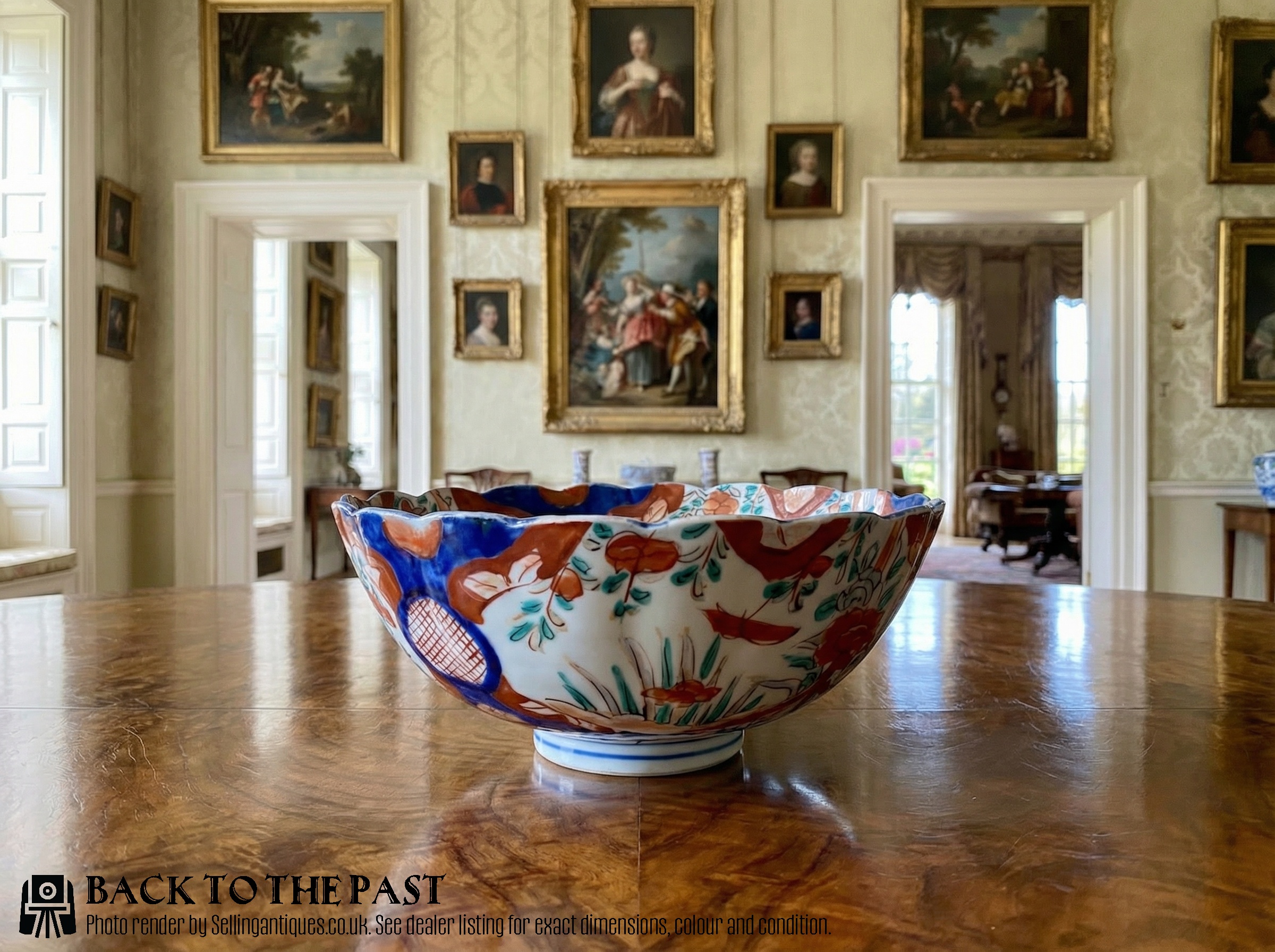
Potters shaped porcelain bodies before applying cobalt blue glaze, overglaze enamel, and iron red pigments by hand. Many pieces integrate gold leaf, gilt, and gilding to accent the painted motifs.
Kiln firing set the hard paste porcelain and fixed the vibrant enamel colours onto the surface. Artisans then added fine details using metallic leaf and specialised overglaze techniques.
What varies in quality
The fineness of the hand painted brushwork determines the distinction between standard vessels and exceptional examples. Precise application of iron red pigment, cobalt blue, and gilt highlights reveals the skill of the original workshop.
Structural complexity such as hexagonal shaping, chamfered corners, or intricate scallop edges requires advanced ceramic moulding abilities. Preservation of the original enamel colours and gold leaf over centuries contributes significantly to the standing of each piece.
Shozo·James Giles
The Iron Red Ceramic Bowl Glossary
- Imari
- A style of Japanese porcelain decorated in underglaze blue and overglaze iron red, gold, and other colours. It originated in Arita and became immensely popular for European export.
- Overglaze enamel
- Coloured glass decoration applied over a previously fired and glazed ceramic surface, then fixed with a lower temperature kiln firing. This technique allows for bright iron red and gilt additions.
- Jardiniere
- A large ornamental pot or bowl designed to hold plants or flowers. These sturdy ceramic vessels often feature substantial proportions and heavy decorative schemes.
- Chamfered
- Having a symmetrical sloping edge at the corner of a square or rectangular form. This architectural detail appears on select eighteenth century export bowls.
Iron Red Ceramic Bowl: Frequently Asked Questions
How do I date an imari bowl?
Dating relies on examining the ceramic body weight, the brightness of the iron red and cobalt blue pigments, and stylistic cues from periods like the Meiji era or eighteenth century production.
Changes in glaze texture and the application of gilding also provide reliable chronological markers for collectors.
Were these bowls used for food?
Many export pieces functioned primarily as decorative display items, chargers, or specialised vessels like shaving bowls rather than everyday tableware.
Their delicate overglaze enamels and gold leaf meant they were often reserved for visual appreciation in domestic interiors.
What is the difference between imari and kutani?
Imari wares typically combine underglaze cobalt blue with iron red and gold, whilst Kutani porcelain frequently emphasises rich overglaze enamel palettes dominated by reds and greens.
Both styles originated in Japan and share ceramic roots but employ distinct decorative programmes.
How should I display a shallow bowl?
Shallow bowls and decorative dishes suit wall mounting using appropriate specialist brackets or placement on sturdy plate stands within cabinets.
Keeping them away from direct sunlight preserves the vibrancy of the iron red enamel and gilt work.