


Irish Walnut Furniture
Irish walnut furniture brings rich native timber and regional cabinet-making traditions into your home.
Irish Walnut Furniture
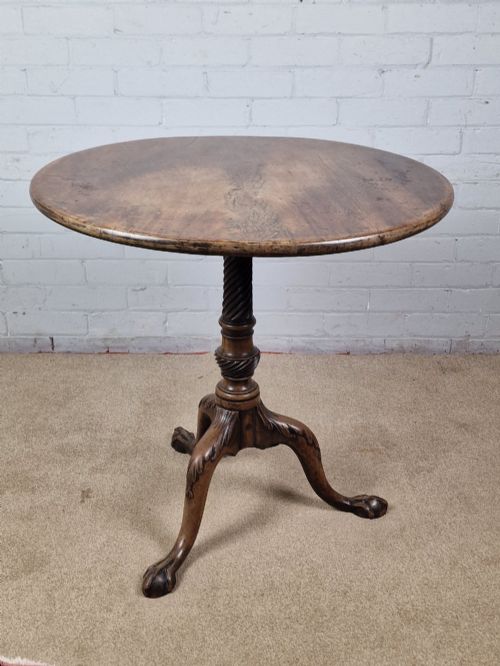
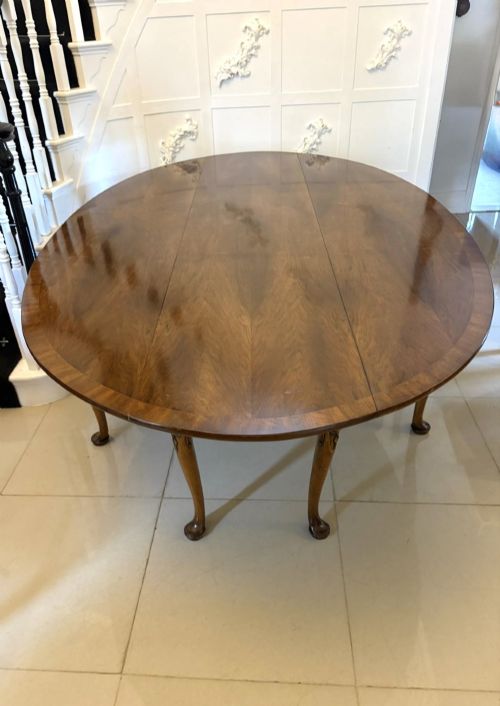
Irish walnut furniture encompasses tables, seating, and decorative storage pieces fashioned from native timber across several centuries. When you search for irish walnut furniture, you encounter items ranging from formal George II period tables to robust Victorian seating.
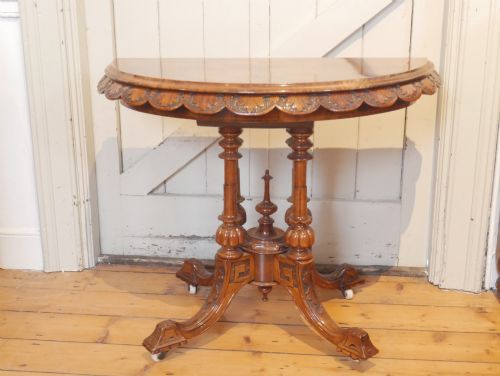
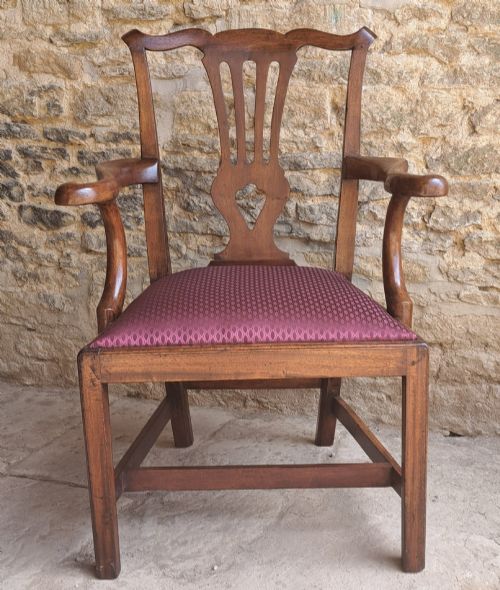
The pieces listed on this page show a strong representation of the eighteenth century, alongside Victorian and later nineteenth-century examples. Forms include tilt-top tables, card tables, side chairs, and inventive items like hall benches with shoe storage.
Regional cabinet-makers often utilised burr or figured variations of the timber to create striking visual effects on table tops and cabinet fronts. These items reflect the distinct character of Irish workshops through carved details and proportion.
Materials and construction
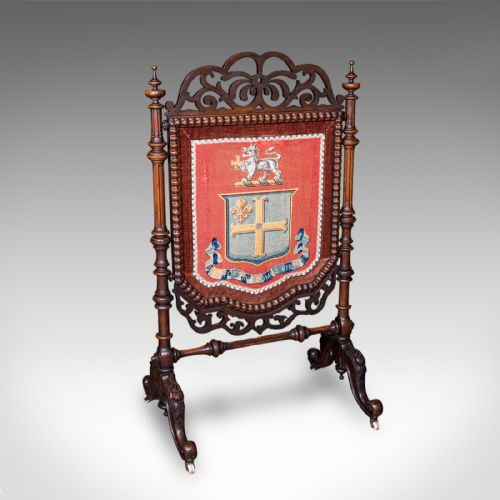
Makers utilised solid walnut and decorative veneer, often selecting burr walnut for its complex, swirling grain patterns on prominent surfaces. Brass fittings and detailed needlepoint embroidery appear as complementary elements on screens and tables.
Carpenters employed traditional joinery techniques to shape heavy timbers into functional domestic items, from dining tables to freestanding whatnots. The combination of dense walnut and careful carving defined the structural integrity of these pieces.
One persistent hall bench thoughtfully combines seating with built-in shoe storage for muddy boots.
Assessing quality
Quality rests upon the selection of timber and the sophistication of the carving, with burr figures and highly figured veneers marking out finer examples. The crispness of carved details on chair legs and table edges distinguishes standard production from ambitious workshop output.
Proportion and structural balance dictate the success of each piece, whether it is a small solid desk or a large extendable dining table. Original hardware and untouched surface patination further elevate the standing of an individual item.
The Irish Walnut Furniture Glossary
- Burr Walnut
- A specialised wood grain obtained from the wart-like growths on walnut trees, prized for its swirling patterns. It is frequently applied as a veneer on prominent furniture surfaces.
- Tilt Top Table
- A table featuring a mechanism that allows the top to pivot into a vertical position when not in use. This design saved space in period domestic interiors.
- Card Table
- A specialised table with a folding or rotating top designed for card games. These pieces often feature interior baize surfaces and small wells for counters.
- Needlepoint
- A type of canvas work embroidery executed with wool or silk yarn. It appears on Victorian fireplace screens and upholstery within this selection.
- Whatnot
- A set of open shelves supported by pillars, used for displaying ornaments and books. Victorian examples often incorporate elaborate carved walnut frames.
Irish Walnut Furniture: Frequently Asked Questions
How do I identify George II pieces?
George II pieces from the eighteenth century typically display robust proportions, substantial timber use, and characteristic carved leg details such as shell motifs or pad feet. Makers often worked in solid walnut or applied early veneers before lighter satinwood styles gained favour.
Examining the underside and interior joinery reveals hand-cut elements and period construction methods that distinguish these foundational items from later nineteenth-century revivals.
What is burr walnut?
Burr walnut is derived from the abnormal growth formations on walnut trees, yielding a dense cluster of swirling, organic patterns. Cabinet-makers sliced this wood into thin veneers to cover flat surfaces like table tops and desk lids.
The resulting figure creates a dramatic visual texture that requires careful matching and skilful application to achieve a balanced decorative effect.
Where were these pieces used?
These items populated the formal reception rooms, libraries, and hallways of substantial Irish houses. Dining tables served large gatherings, while card tables provided evening entertainment in drawing rooms.
Smaller items like fireplace screens and whatnots added both utility and decorative refinement to domestic living spaces during the Victorian era.
How should I care for walnut?
Walnut benefits from stable indoor humidity and protection from direct sunlight, which can fade the warm tones of the timber over time. Regular dusting with a soft, dry cloth preserves the polished surface without the buildup of heavy waxes.
Avoiding placement near heat sources prevents the wood and any historic veneers from drying out or splitting.