
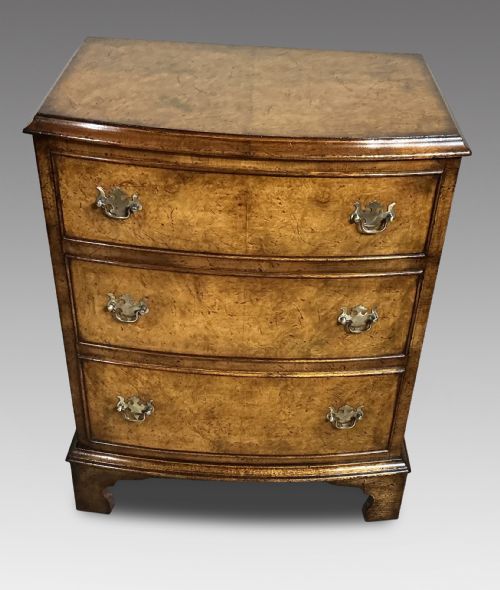


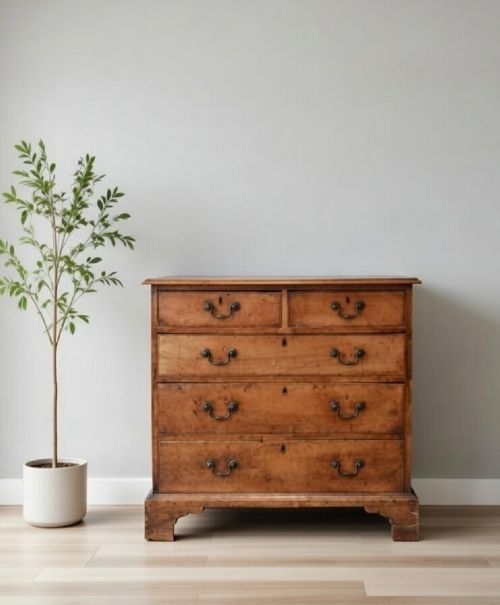


Georgian Walnut Bachelor Chest
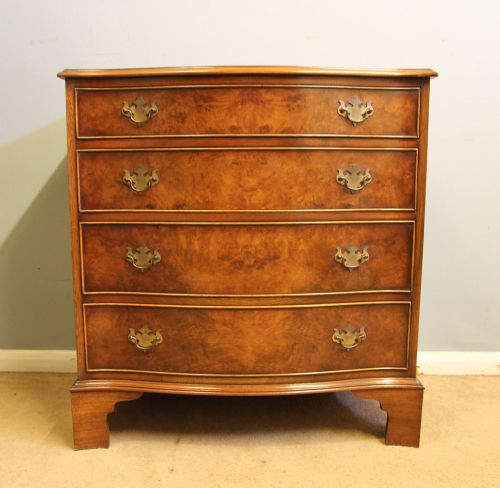
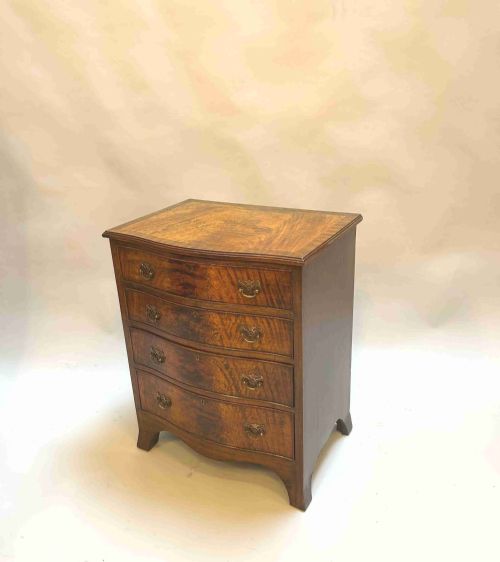
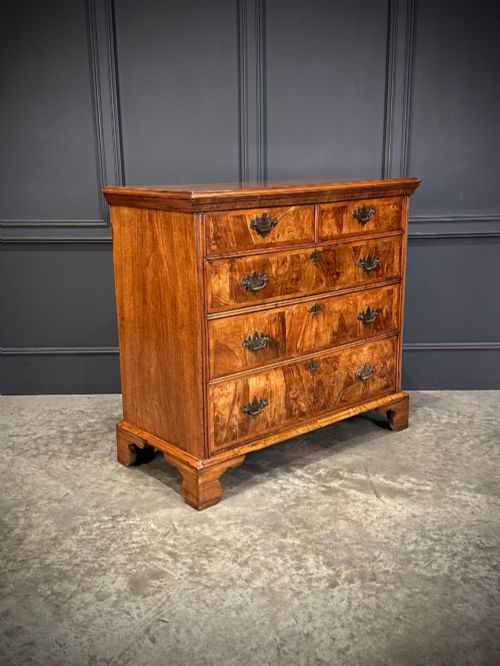
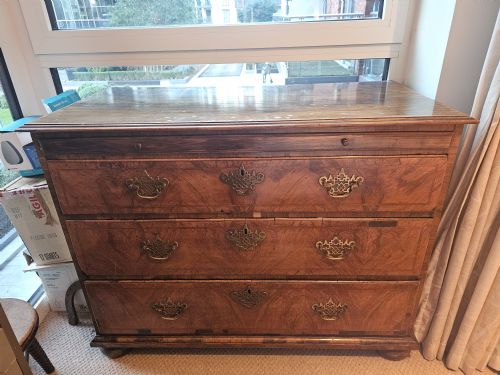
A georgian walnut bachelor chest combines compact domestic storage with a folding writing surface, prized for rich timber and restrained proportions.
Georgian Walnut Bachelor Chest
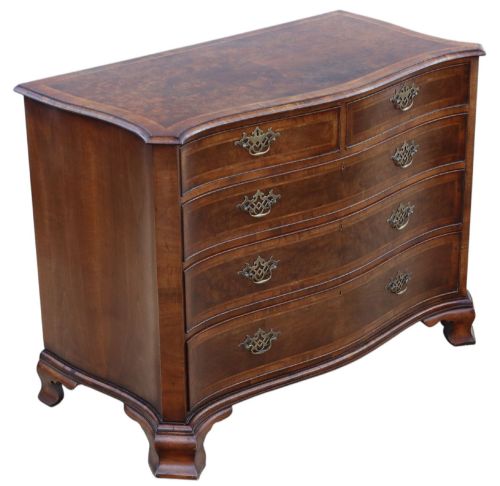
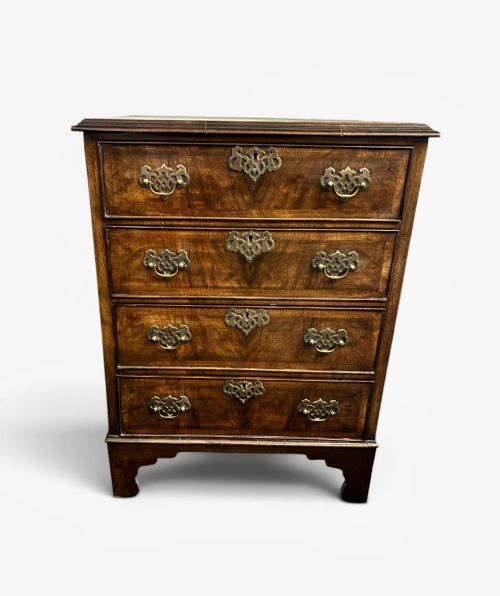
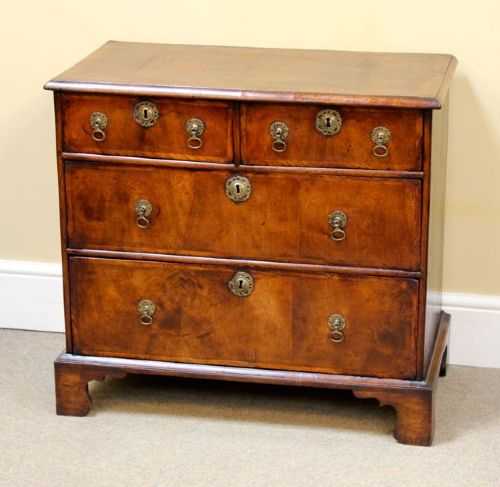
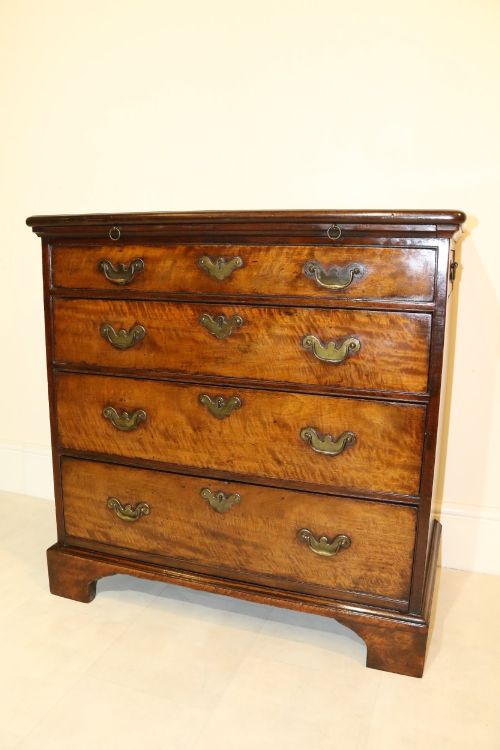
A georgian walnut bachelor chest is a versatile domestic form that serves primarily as a drawer chest while incorporating a fold-over top or sliding panel for correspondence. The pieces found here span from authentic eighteenth-century examples to later twentieth-century revivals produced during the Edwardian era and the nineteen-twenties and nineteen-thirties.
The selections range across distinct styles including Queen Anne, George I, George II, and George III periods, alongside later Georgian Revival interpretations. Alongside standard drawer configurations, related forms such as writing desks, kneehole dressing tables, commodes, and bedside tables appear frequently across the listings.
Earlier eighteenth-century origins offer genuine period construction, while subsequent twentieth-century revivals adapt traditional proportions for modern domestic spaces. Buyers encounter both figured burr veneers and solid timber surfaces across various scales, from small proportions to large commodes.
Materials and construction methods
Walnut serves as the primary timber, appearing frequently as highly figured burr walnut veneer laid over secondary woods such as oak and fruitwood. Craftsmen utilised brass for drawer handles, escutcheons, and hinges, providing functional contrast against the dark timber figures.
Construction relies on traditional joinery techniques suited to fine cabinet-making, allowing complex forms like serpentine fronts and sliding writing panels to operate smoothly. Timber selection prioritized rich grain patterns, particularly on top surfaces and drawer fronts where crossbanding often frames the veneer.
Object forms extend beyond standard chests to include bedside tables, writing desks, kneehole dressing tables, and serpentine commodes.
Distinctions in quality
Quality rests heavily on the choice and handling of veneer, where matched burr walnut and careful crossbanding distinguish finer pieces from simpler counterparts. The crispness of carved details, the retention of original surface patina, and the integration of sliding or folding mechanisms mark the upper tiers of production.
Proportion and scale also dictate distinction, with smaller proportions and untouched original surfaces commanding greater interest among collectors. The execution of internal fittings, such as writing compartments within desks and kneehole tables, further separates standard examples from exceptional ones.
The Georgian Walnut Bachelor Chest Glossary
- Bachelor chest
- A compact drawer chest featuring a fold-over top or sliding board designed for writing. This dual-purpose form became popular in the eighteenth century.
- Burr walnut
- Timber taken from a tree growth or burr, producing swirling, highly decorative grain patterns. Cabinet-makers sliced this wood into thin veneers for prominent surfaces.
- Crossbanding
- A decorative border of veneer laid with the grain running perpendicular to the central panel. It frames drawer fronts and table tops on formal furniture.
- Serpentine
- A curved line featuring a convex centre flanked by concave ends, creating a gentle wave shape. This contour appears on advanced case furniture fronts.
- Kneehole desk
- A writing table with a recessed central cupboard flanked by pedestals of drawers. Georgian examples often incorporate concealed compartments.
Georgian Walnut Bachelor Chest: Frequently Asked Questions
What is a bachelor chest?
A bachelor chest is a small drawer chest equipped with a fold-over top or sliding board intended for writing. It provided compact utility for domestic correspondence.
Over time, the form evolved through various eighteenth-century reigns and later revival periods, maintaining its practical dual-purpose design.
How do I date a walnut chest?
Dating relies on examining construction methods, timber choice, hardware styles, and overall proportions. Eighteenth-century pieces show period joinery and hand-cut elements.
Later revivals from the Edwardian period or the nineteen-thirties often employ twentieth-century manufacturing techniques while imitating earlier Georgian aesthetics.
What is burr walnut?
Burr walnut is a figured timber harvested from tree growths that produce complex, swirling grain patterns. It was sliced into thin veneers for decorative effect.
Cabinet-makers prized this material for drawer fronts and top panels to create striking visual contrast against plain walnut borders.
Where were these pieces used?
These chests functioned primarily in private bedchambers, dressing rooms, or studies as personal storage and writing surfaces. Their smaller scale suited intimate domestic spaces.
Today, buyers place them in bedrooms, hallways, or living areas as functional accent furniture.
Are revivals authentic antiques?
Revival pieces date from later eras, such as the early twentieth century, but reproduce traditional eighteenth-century styles and construction methods. They represent historical revivals rather than original period items.
Both authentic eighteenth-century examples and later revival interpretations appear across the available selections.